What it means to be a rural community

Simon from NYC grew up in West Amwell, NJ, and his parents still live there. he writes:

Municipal Open Space, Farmland and Recreation and Preservation Trust Fund

West Amwell Township, my picturesque and rural home, has set up the above trust fund to conserve the inherent rural and farmland character of our community. Voters CHOSE THIS. My parents, along with other community members, PAY A TAX TO PRESERVE OUR RURAL COMMUNITY. The Penn East pipeline has targeted preserved lands for its profitable pipeline project. OUR COMMUNITY DOES NOT WANT OR SUPPORT THIS PIPELINE ON OUR PERSERVED LAND.

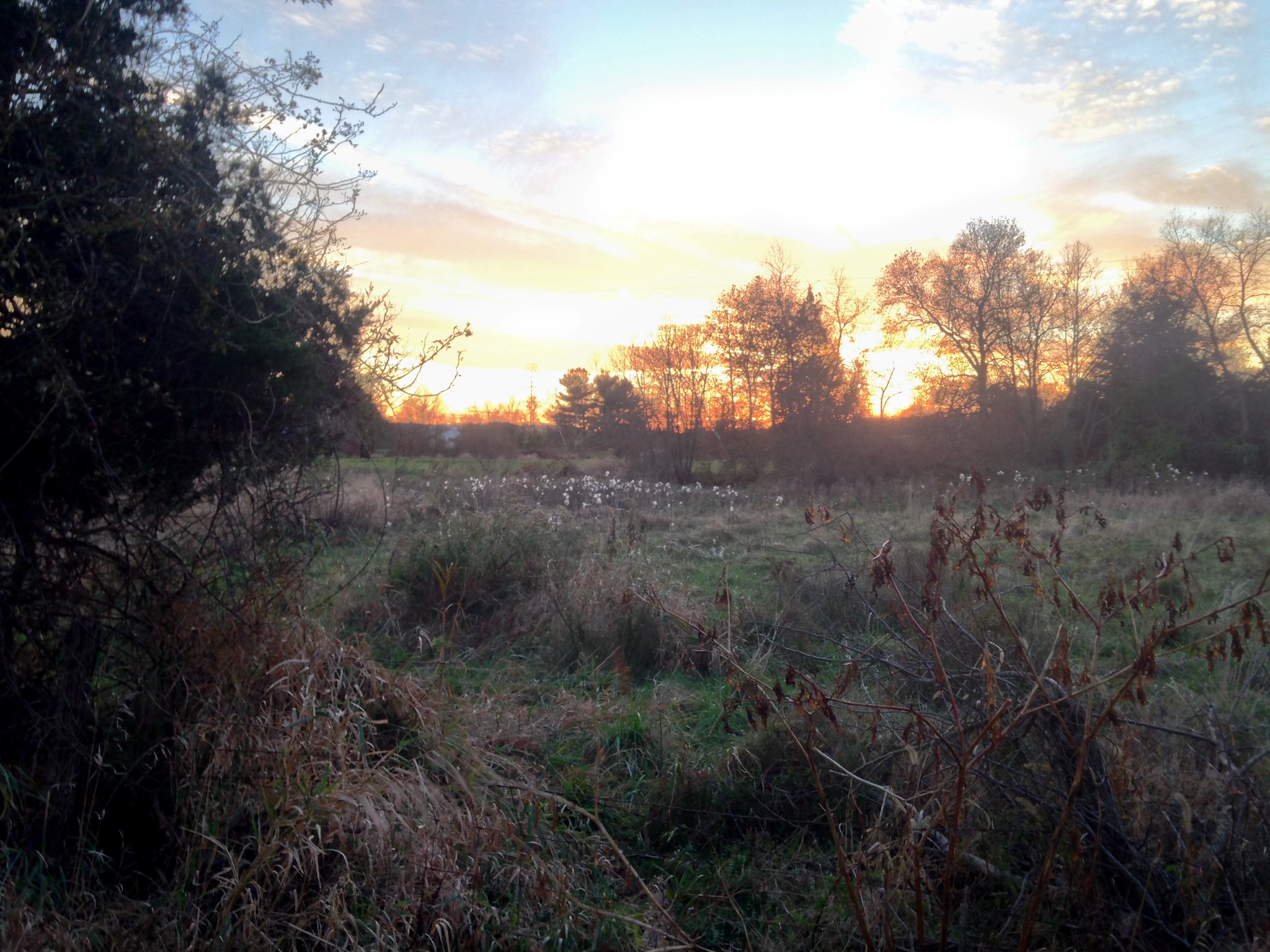
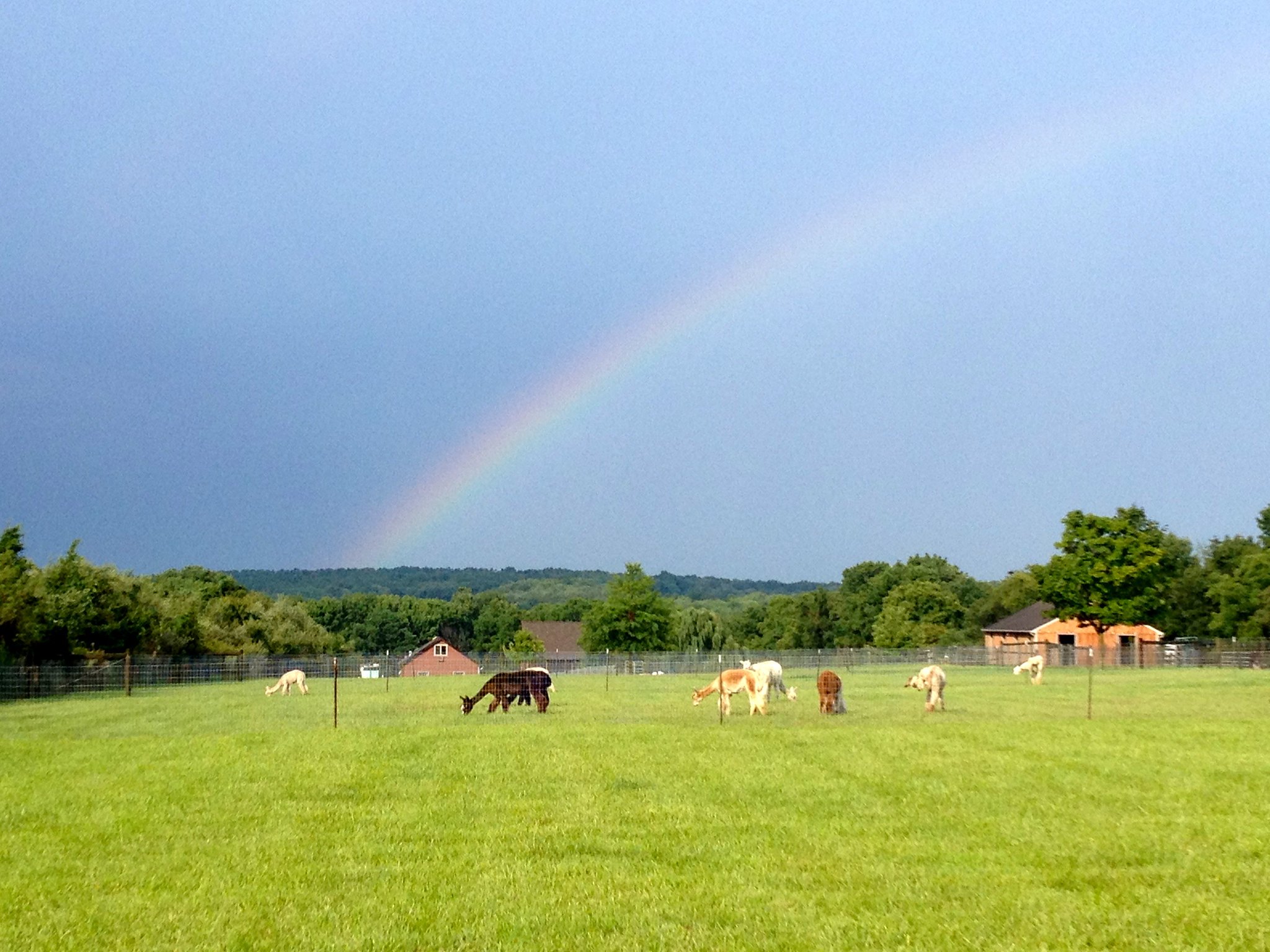
I don’t know if people rural just how rural and picturesque this area is. It’s an amazing combination of hills, lowlands, forests, farms, and of course the Delaware River that makes it profoundly beautiful. Here’s some shots of areas where the pipeline will be coming through:

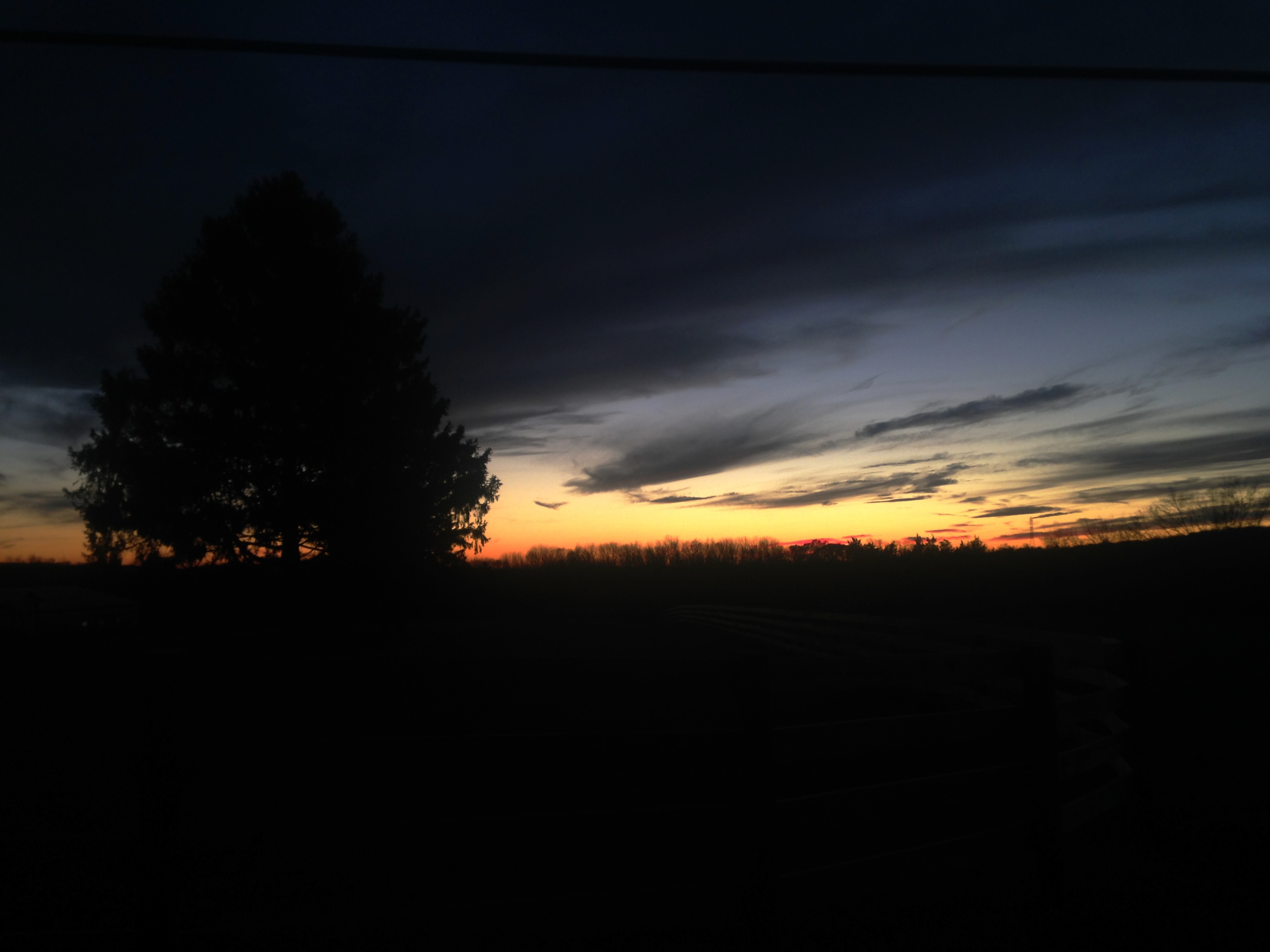
Sunset on Woodens Lane. West Amwell, NJ.

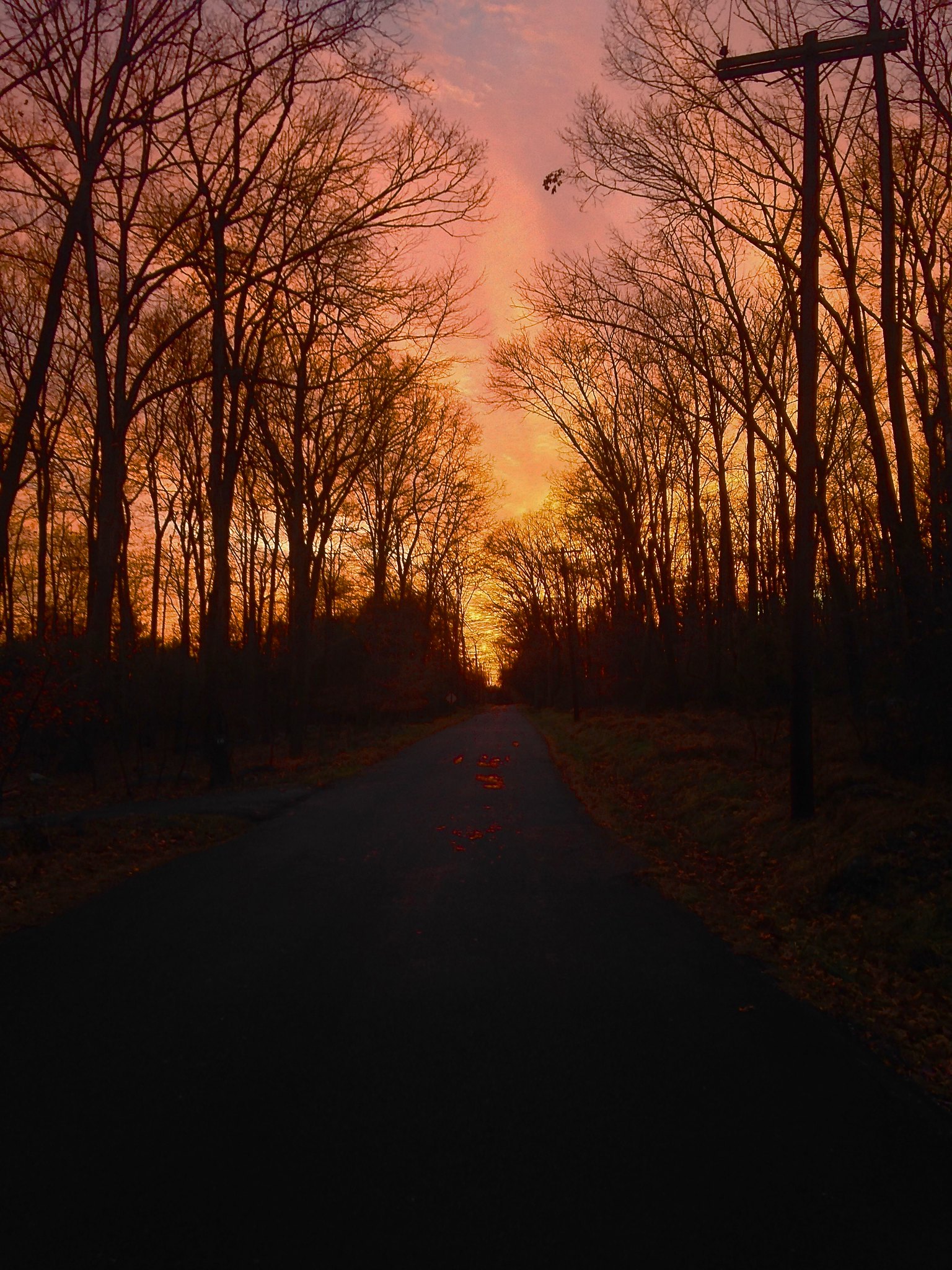
Hewitt Road. West Amwell, NJ.

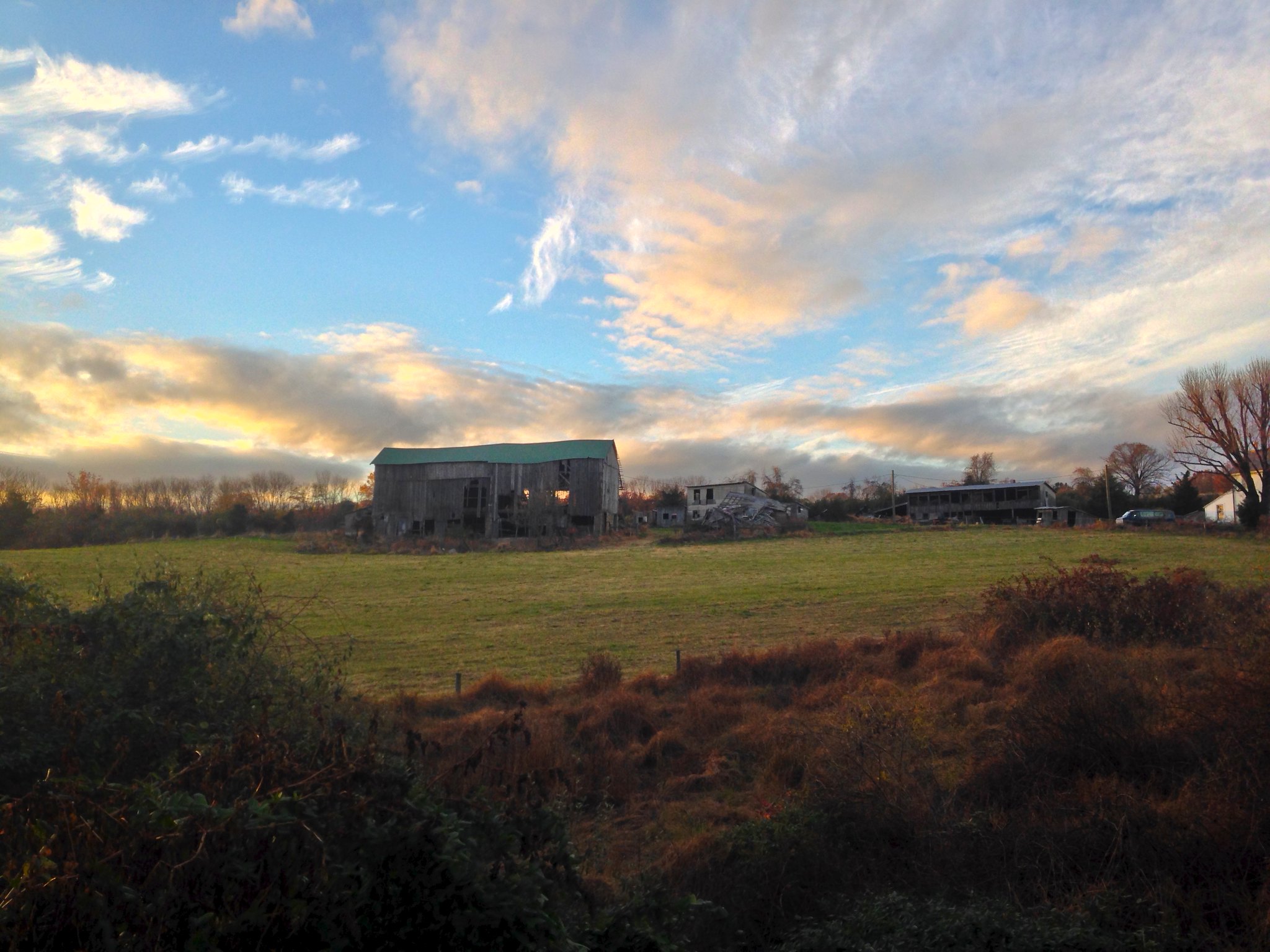
Farm on Hunter Road. West Amwell, NJ.

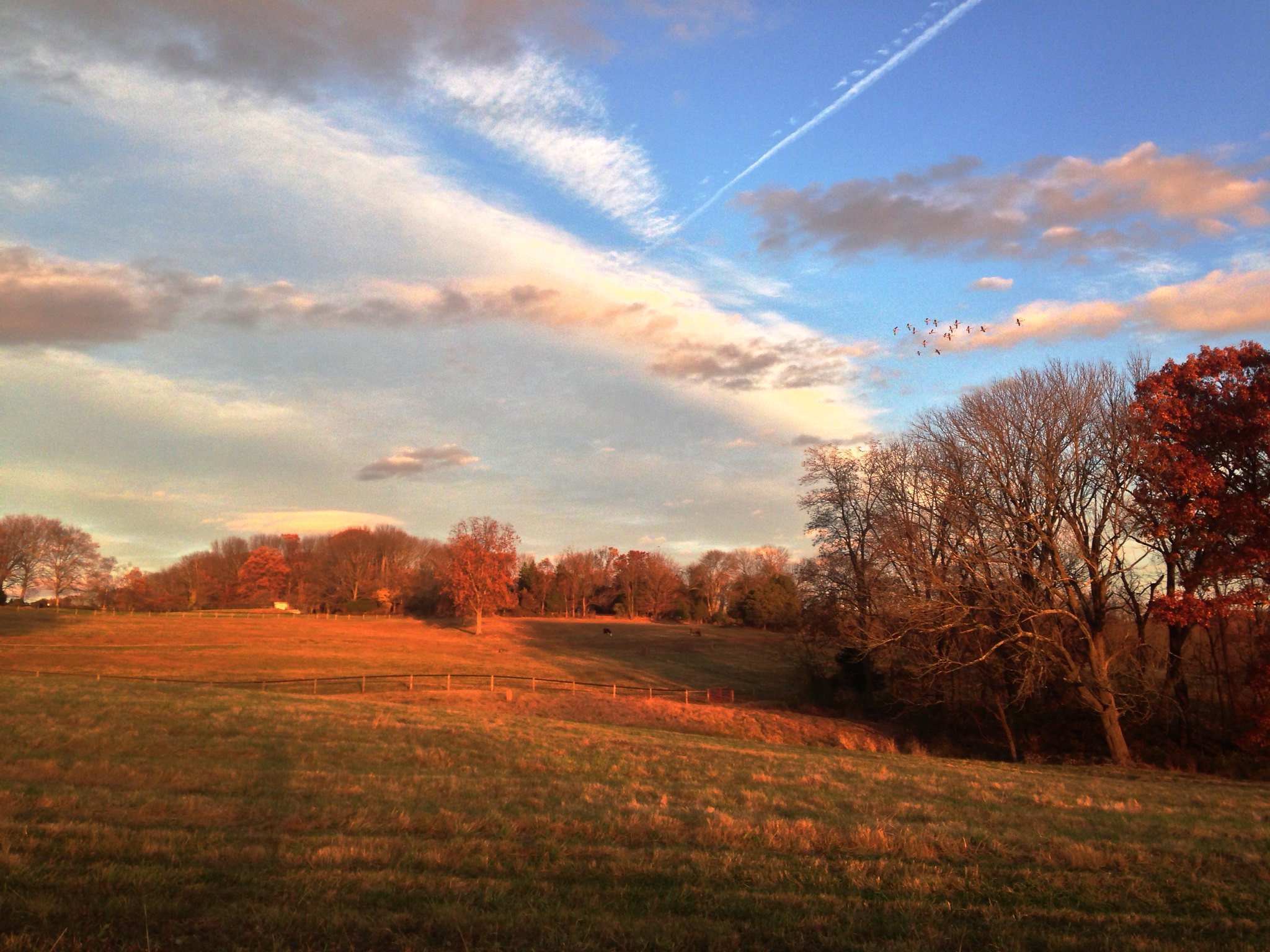
Looking towards Fiddler’s Creek. West Amwell, NJ.

Howell Living History Farm. Hopewell Township, NJ.

Near Moore’s Creek. Hopewell Township, NJ.

Fox on Hewitt Road. West Amwell, NJ.

Alpaca Farm on Woodens Lane. West Amwell, NJ.

Howell Living History Farm. That’s Baldpate Mountain in the distance.

Routing the pipeline through a Wellhead Protection Zone

Inside of tiny Delaware Township, NJ is an even smaller unincorporated town area called Rosemont, NJ.  You can see it in Google Earth below:

You can see the pipeline proposed corridor in purple in the upper right of the picture.

Bill lives in Rosemont, and like many of us he’s concerned about his well water.  But apparently in Rosemont things are even worse than your average well-based community in the region:


I am a long time resident of Rosemont NJ, a Historic designed town. I am extremely concerned with the proposed route for the PennEast pipeline and the fact that in the current plans it is going directly through our Well Head Protection Zone designated by the state of New Jersey’s Department of Environmental Protection. Our town had water quality issues in the past which forced the town to provide safe drinking water through this township well. It would appear that PennEast did not do the necessary homework to understand that there was even a township well and that they were recommending a route through the protection zone. You can not allow the potential destruction of our well head protection zone, for if the well becomes polluted, the residents of Rosemont have no other alternative for safe water to our homes. We do not know what could happen during the construction of this pipeline, but the construction of this Pipeline has the high probability of affecting the entire water supply for the residents of Rosemont, Delaware Township, New Jersey. Please review this concern with extreme diligence and make sure that our drinking water supply is never impacted by disregarding the DEP Protection of this well. It was very disconcerting to think that for a project of this scope and magnitude, and the impact that it will have for all of the areas along the proposed route, that PennEast did not do their homework to understand, or even know, there was a protected zone in Rosemont. If this is an indication of for how well they will perform their duties in the future, I think there is serious reason for concern.

Please make sure you stand up for our safe water supply here in Rosemont, New Jersey, and our surrounding communities. The pipeline MUST be rerouted away from the protected well head zone. I would also like to understand should PennEast be able to bypass this DEP protection of our water supply, and should they significantly impact our supply of safe drinking water, what legal recourse do we as citizens have for the loss of our water supply and the resulting NEGATIVE impact that will have on home values, for without a safe water supply, our homes will be worthless.

As I read FERC comments and look through the PennEast documents I can’t stop shaking my head at what’s going on here. PennEast is willing to spend a billion dollars to build this pipeline but seems to have done exceptionally little planning on the picking their preliminary routes. They seem almost comically wreckless in their route choosing.

You can see Bill’s submission below:

Bill of Rosemont – FERC Generated PDF

Bill of Rosemont – FERC Generated PDF Alternate Site

The Hexenkopf Slopes

Linda from Easton, PA wrote a submission to the FERC that focuses specifically on the Hexenkopf Slopes in PA:

My example is a land mass called Hexenkopf Slopes, a 1.6 billion year old (pre-Cambrian granitic) formation that houses not only Hexenkopf Rock (which is not directly threatened) but acres of forest, wetlands, and steep slopes surrounding it. This area provides a microcosm of a host of issues.
Forest impact: fragmentation of forest will occur when the pipeline, as projected, will move through Hexenkopf Slopes, a unique area cited by Lehigh Valley Planning Commission as an “important natural area.” In this one place (of the MANY places to which PA and NJ residents have alerted you) an estimated 3 Acres of trees will have to be cut (= oxygen for 54 people for a year); in addition, thanks to chemical herbicides in the trench, many nearby trees will die as well. Trees contribute heavily to reducing the carbon dioxide produced by human activity by converting it to the oxygen we breathe. Forests reduce storm water runoff and erosion as well as wind damage.

The steep slopes: the pipeline must drop from an escarpment on the Slopes down a 30% grade to private properties below, which are already subject to a runoff and erosion due to a prior pipeline (the Columbia gas line). With the removal of additional trees and the extreme disturbance of soil — drilling through rock, digging the pipeline route, and compaction of soil from heavy machinery – the erosion and runoff will be extremely exacerbated. During the storms of 2005, 2006, and 2012 runoff was so heavy it drove piles of loose stones from an access road off onto the very busy Raubsville Rd. and onto the farmland across Raubsville Rd. Trees intercept gallons and gallons of water, preventing flash flooding. Once this 100-foot wide track is compacted, runoff will not be able to be stopped. The effects will be cumulative and permanent. Our downhill neighbors’ residences will be horribly damaged.

To make matters worse, the Hexenkopf tracts through which the line passes have been preserved under Open Space programs with the County and the Township; the pipeline thus obviates the will of the people in preserving a natural climate-controlling carbon dioxide-to-oxygen mechanism. This is an unlawful taking by a private company for its own profit-making purposes and renders the land virtually worthless.

The forest is home to flora and fauna that will lose habitat because no tree is permitted to grow on the right of way, and studies show that invasive plants are the flora that manage to live on such disturbed soil. Native fauna do not eat the invasives. A study of the impact on native- dwelling and migratory birds and other wildlife needs to be made to assure they are not adversely impacted.

With the blasting that will be required to bring a 36” diameter pipe over a granite outcropping and down a 30% grade, there can be untold damage to groundwater/aquifers in the region, aquifers that feed local wells. A very large percentage of the population of Williams Township derives their water from wells or springs. And where would all the rocks from the blasting be placed? On areas where even those piles kill the protective vegetation that has grown there for thousands of years?

Wetlands on the edges of the Slopes suffer irremediable damage when heavy machines that need refueling or lubrication plow through the habitat of many microfauna, fauna, and birds and when additional space is taken for “temporary workspace.” Springs once destroyed cannot be resuscitated. Endangered species, such as the bog turtle, that lose habitat cannot be resuscitated either.

One of the headwaters of Fry’s Run, a High Quality-Cold Water Fishery and a Migratory Fishery and a tributary to the Delaware River, emanates from the northern base of Hexenkopf Slopes. Disturbance of this water source would further affect a stream that has achieved high quality status.
The cultural and historical remnants of early indigenous peoples have been treated by other speakers.

This one segment of the route encompasses a host of challenges which lead to the conclusion that this pipeline is totally inappropriate. We ask FERC to deny this application for a project that brings no benefit to the people of Williams Township but does inflict horrendous destruction that can never be remedied.

You’ll hear similar stories of other unique areas along the pipeline route that have their own problems – for example I highlighted a post earlier from the Washington Crossing Audubon Society about the threats to Baldpate Mountain, another unique preserved piece of land threatened by the pipeline.

Read Linda’s full submission below:

Linda from Easton PA – FERC Generated PDF

Linda from Easton PA – FERC Generated PDF Alternate Site

An individual’s traumatizing experiences with natural gas

Kim from West Amwell, NJ writes to the FERC about her bad luck with natural gas and the trauma it’s caused to her family:

When I was young, my Uncle Ken Kenning, Aunt Eileen, Aunt Anna, and cousins Billy and Chrissy lived in Mercerville, NJ; their house was right next to a church. Because their driveway was fairly small, we always parked in the church parking lot when we visited.

On April 22, 1971, that church exploded in a violent gas explosion that left nothing but part of the entranceway remaining. I was only six at the time, but I still remember my mother telling me that Uncle Ken’s house had exploded and that the ceiling had fallen in on my Aunt Anna, and that she had been taken to the hospital. (See Figures 1-4 below for the Evening Times article covering the explosion.) At least five people were injured, and many homes in the area damaged, with windows being shattered miles from the site. If the explosion had happened two and a half hours later, the church would have been filled with children. In Figure 3, the lower right picture shows the view of the rubble from my cousin Chrissy’s bedroom.

Here’s one of the pictures she included:

That wasn’t her only story to share about natural gas disasters though:

This incident was very scary for me, a six year old. I didn’t understand how a building could just blow up like that, and I wondered if it would happen to our house. But I grew up and our house didn’t explode. (We didn’t have gas).

Two things happened when I was in my early twenties. First, my 80 cubic foot scuba tank became a projectile one hot summer night in my bedroom, bouncing off all the walls, smashing everything in its path. It was the loudest sound I had ever heard, and not realizing what was happening, I was convinced that an airplane was about to crash through the window. I personally learned that night how powerful gas under pressure can be.

The second thing that happened involved my Uncle Mike La Franco (my godfather), who lived in an apartment building in East Windsor, NJ. My father’s best friend, Uncle Mike was our closest and favorite, fun-loving uncle. One morning, he woke up and smelled gas. He called the appropriate number he had been given, but reached an answering machine. He waited a while and called again. Again he got the machine. He decided to get dressed and leave. He was in the bathroom when the building exploded. He managed to get outside, but he was burning, with even his hair on fire. My mother and I got the call from the hospital. He had burns that started on his head and went down his back, with more minor burns in other areas.

At one point while in the hospital, Uncle Mike asked me to drive over to his complex and try to find his car keys in his apartment. I drove over, not sure what to expect, but what I found was nothing. Not only was his apartment gone, the entire building was gone. I wandered around the grounds, and found a couple of wall decorations that had been in my uncle’s apartment, but they were melted and deformed. When I asked him if he wanted me to search further, he said no. He didn’t want anything to remind him of what had happened.

As you might guess, of course this means that her house is on one of the proposed Penn East routes:

When I got married a few years later, I told my husband that I would never want a gas stove or gas heater or gas anything, and thankfully when we moved into our current house (my childhood home), there was still no gas service on our road.

And then, in August 2014, we received a letter from PennEast, saying that our property would directly abut the pipeline route. And I knew that if this project was built, I would constantly have to live with the threat of our family being killed in a gas explosion. This fear was compounded when my cousin – the one who lived next to the church and who now lives in West Amwell, NJ – also received a letter from PennEast, saying that the line would go right through her property.

While I understand Kim’s issues with natural gas I don’t quite share the same level of fear of it that she does. But as I’ve said in earlier posts, risks are not absolutes but must be considered as a continuum. And it’s not just about likelihood of disaster but the outcome in the unlikely event that the worst does happen. I could live with natural gas in my house (in fact I have a 500 pound propane tank for home heating). But that’s not the same as a billion cubic feet of natural gas going by your house every day, and having it forced on you by eminent domain.

Read Kim’s entire submission below:

Kim’s submission to FERC

Kim’s submission to FERC Alternate site

Realtors say the pipeline will impact your land’s valuation

Betty in Stockton tells the FERC:

We have lived on this property about 41 years. We are going to be 75 this year. In June we started searching the possibility of selling because it is too difficult to do the needed work here now. As soon as the pipeline was made public for our area, realtors informed us the value of our property would go down considerably. This was our investment for our future. Without it, our lives will be very negatively impacted. Now that is on hold because people do not want to live near the pipeline. We do not either, but we would not be able to afford to move without adequate income from the property sale.

Most of the 17 acres of our property are wooded. Mostly mature hardwood trees. We have been in farmland assessment for woodlot management for many years. We followed the rules to manage the trees cut, etc. Our understanding is PennEast can come in and cut whatever they want. wherever they want. How is that right when we have worked to protect the forest and followed the rules? This property qualifies as farmland because of the trees and the mandates needed to make that possible. The trees are a valuable asset for our environment. They can not be replaced as mature trees.

From what I can tell the pipeline is running through land like this strictly because of the change in January to co-locate along the high voltage powerline easement. PennEast is just blindly following that easement and ignoring the fact that a powerline easement and a pipeline easement are two very, very different beasts. It seems terrible that people who have lived on their land for 41 years are having their lives turned upside down because PennEast can’t do their homework and keep changing their story on the pipeline details.

92 year old farmer’s concerns about his land and taxes

George in Moore Township, PA was born on his parent’s farm in 1923. And he still lives there. And PennEast would like to run a pipeline through it…

My parents purchased this farm in March 1920. I was born on this land in 1923 and continue to live on this land; I am 92. Both my parents and I have paid substantial taxes over the years in support of this land. But now my rights to use this land is being threatened by the proposed 36 inch PennEast Pipeline. Yes the stated easement is only 50 foot but who in their right mind would even consider purchasing land within 250 yards of this pipeline? The total farm is now devalued significantly!

Currently, I have experienced water runoff problems that occur during heavy rains. The proposed pipeline will funnel additional runoff water downslope and only exacerbate the problems in the future. Removal of trees and other plants that hold water along the pipeline route will only worsen the problem. Where is the information on how they will control this runoff?

Yes, we have paid taxes on this land since it was acquired and will have to continue to pay taxes into perpetuity for land that is significantly devalued due to this pipeline. Who is going to fight to have the taxes reduced? Is this a good deal for Moore Township or Northampton County? No, it is not, and in fact, it hurts the community in that they now have to plan, equip and train for possible large gas pipeline emergencies. Where do the funds come from for the training, equipment and insurance? Taxes must go up and we get no benefit. Great! Has PennEast ever provided communities along the route with information about emergency measures to deal with potential pipeline catastrophes? Or, are they to gain this information through osmosis? I am told that the proposed easement can also be used to install additional pipelines or other infrastructure or can even be sold. Is this correct? PennEast would have 24/7 access to this land and could install “pig launchers” or valves as desired or other infrastructure where the pipeline crosses the 500 KVolt power line. This could render additional land useless! In exchange for some minimal one-time payment, the pipeline company would have use of my property forever and I pay taxes on that land. Do you really think that is right?

I have read about farmers that have allowed, or been ordered, by the court to allow pipelines to pass under their land. Despite claims by the construction companies, these farmers have stated that the farmland disturbed by the construction, produce crops at a reduced yield from land not disturbed. Trenching through farmland changes the soil composition and compaction for hundreds of years and therefore impacts crop yields of tax paying farmers. Is there monetary composition for this reduction on a yearly basis since crop prices change?

You can read George’s entire submission below.

George in PA – FERC Generated PDF

George in PA – FERC Generated PDF Alternate Site