What it means to be a rural community

Simon from NYC grew up in West Amwell, NJ, and his parents still live there. he writes:

Municipal Open Space, Farmland and Recreation and Preservation Trust Fund

West Amwell Township, my picturesque and rural home, has set up the above trust fund to conserve the inherent rural and farmland character of our community. Voters CHOSE THIS. My parents, along with other community members, PAY A TAX TO PRESERVE OUR RURAL COMMUNITY. The Penn East pipeline has targeted preserved lands for its profitable pipeline project. OUR COMMUNITY DOES NOT WANT OR SUPPORT THIS PIPELINE ON OUR PERSERVED LAND.

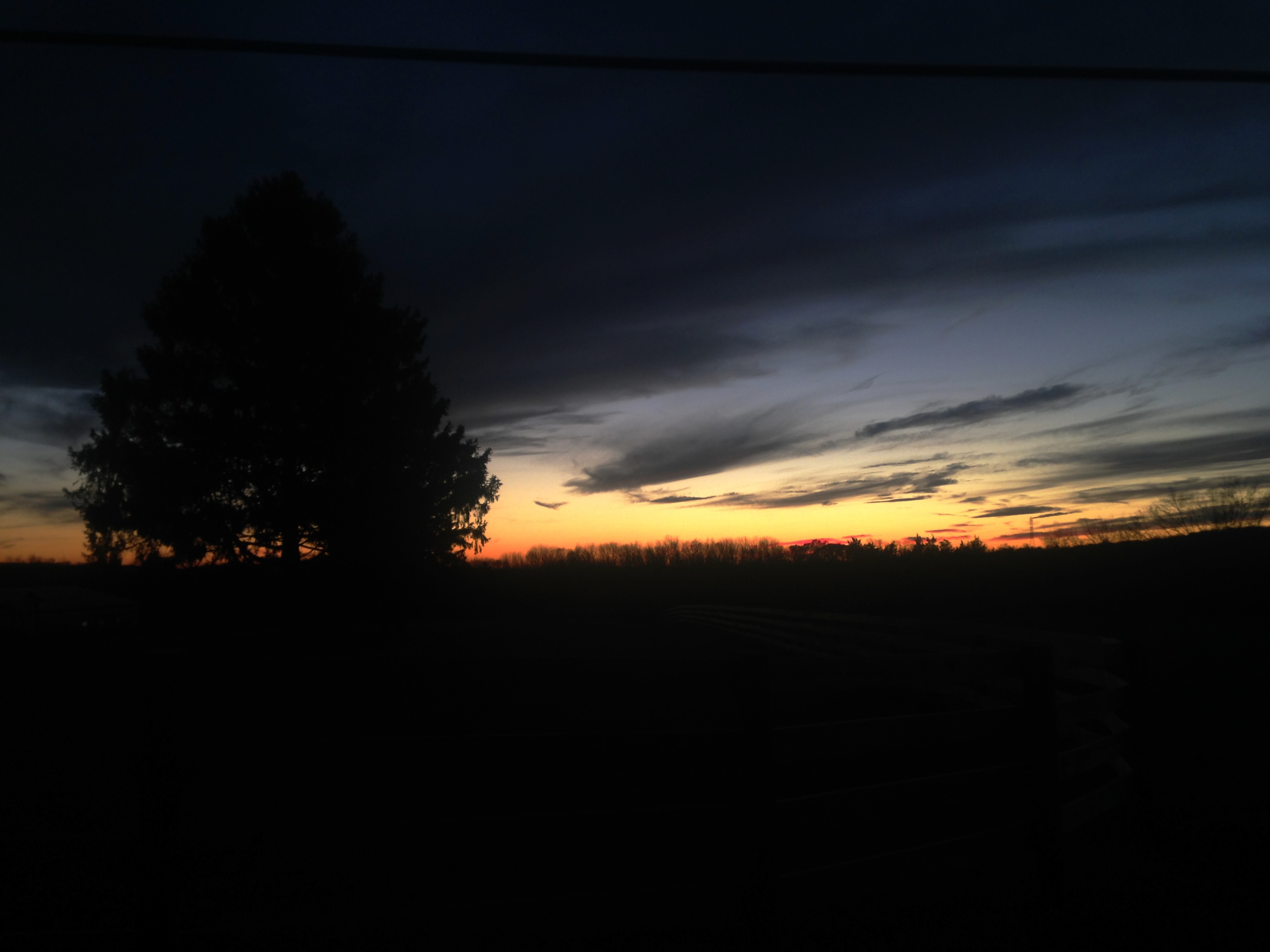
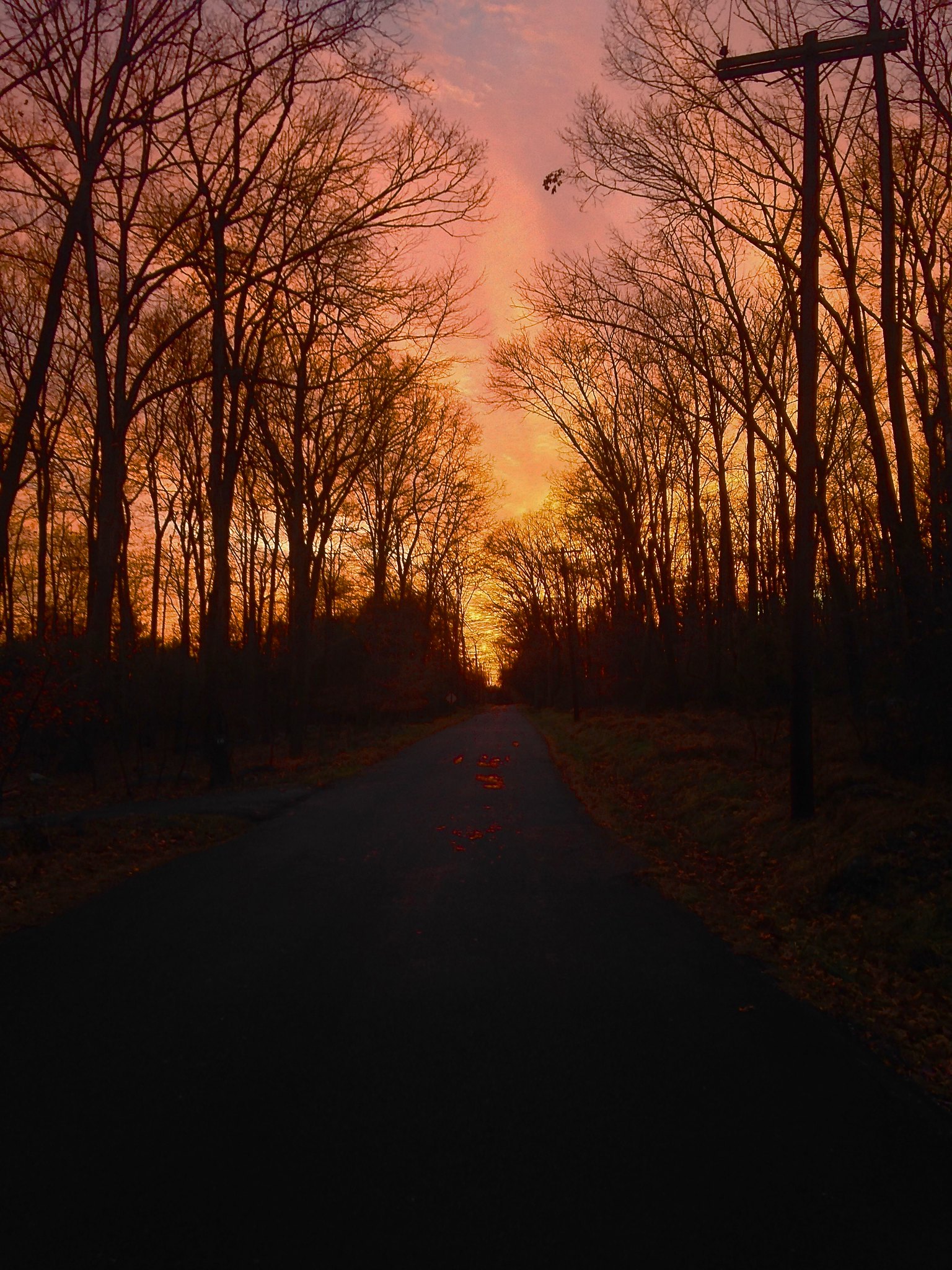
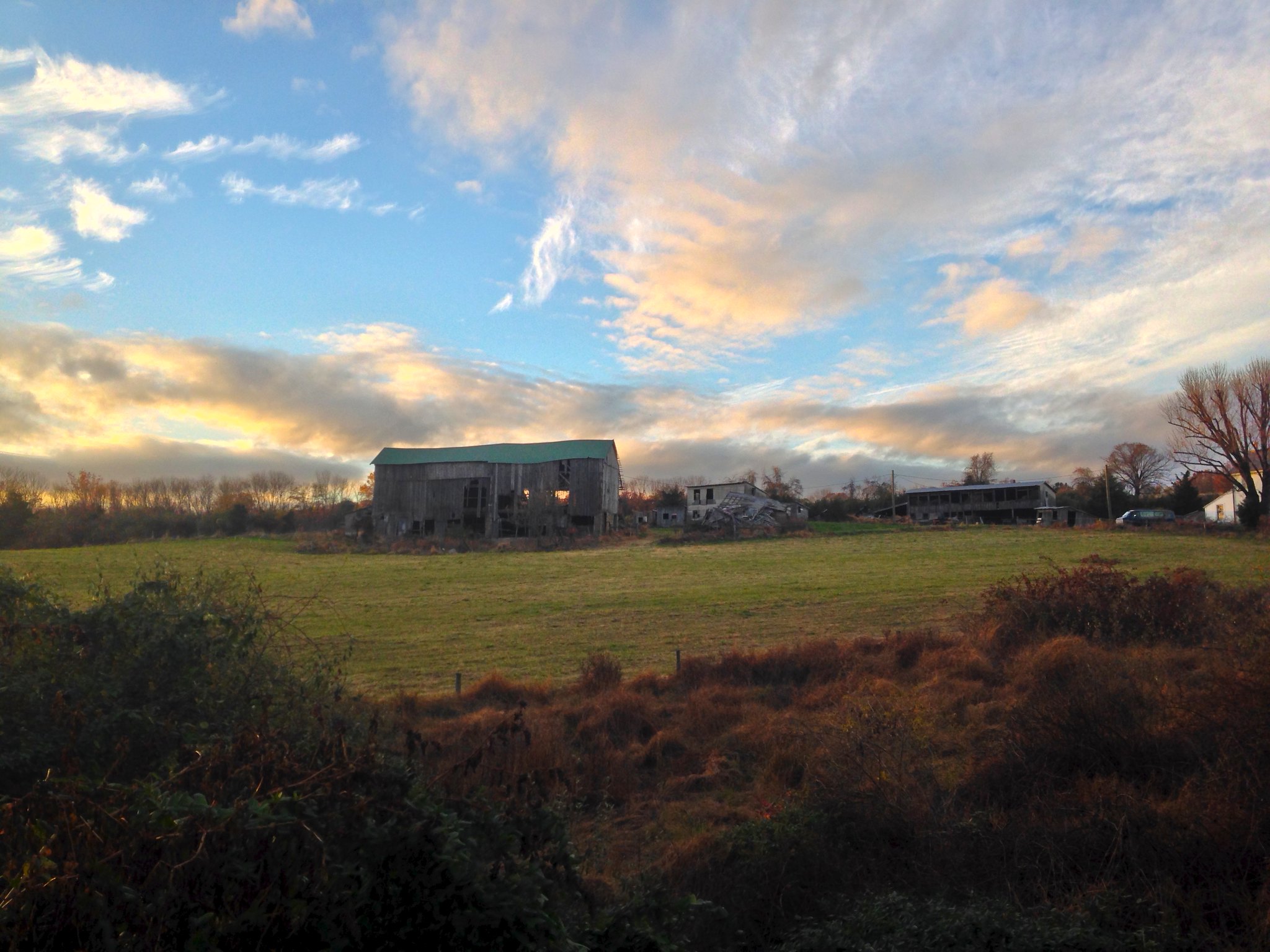
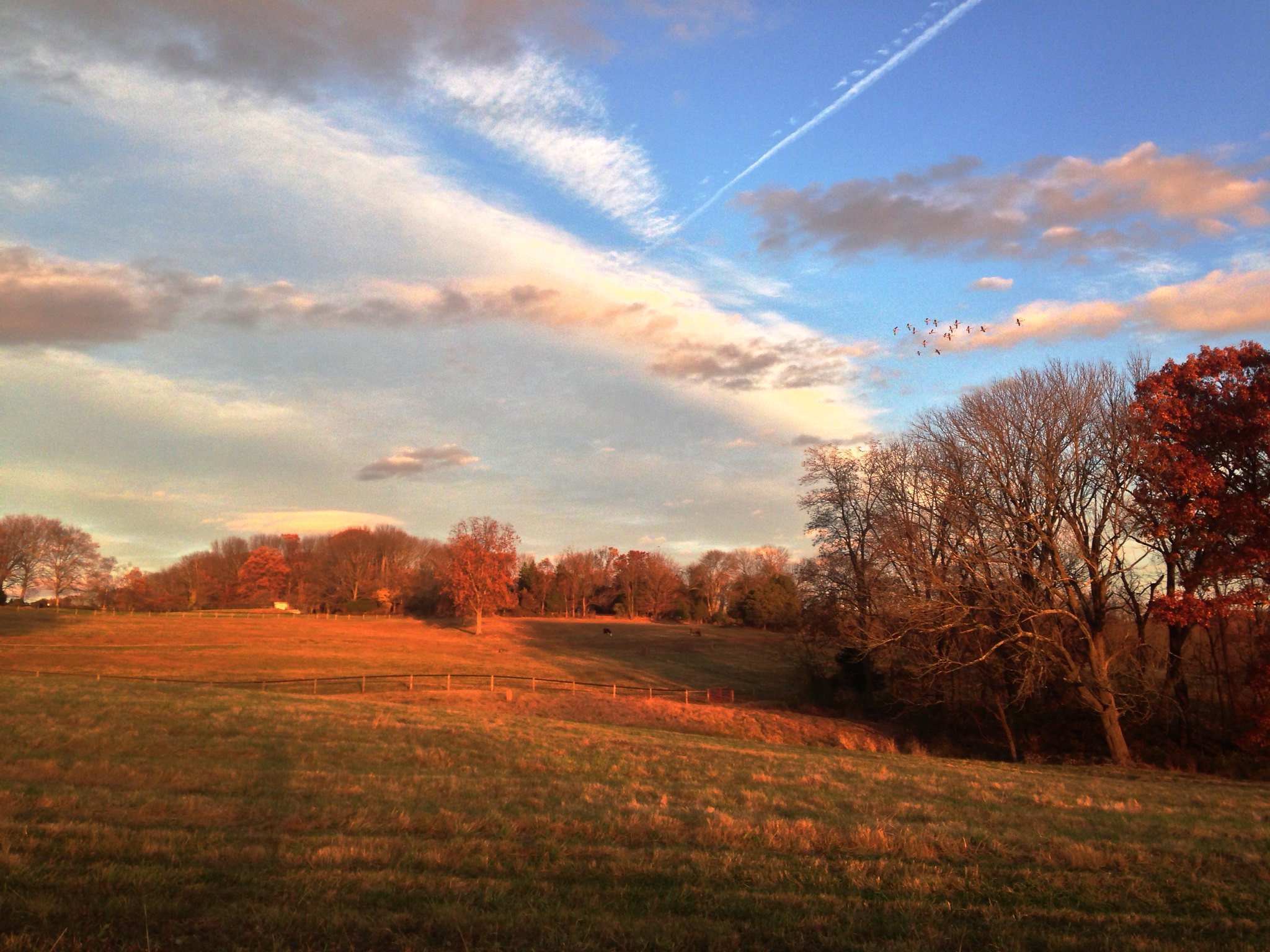
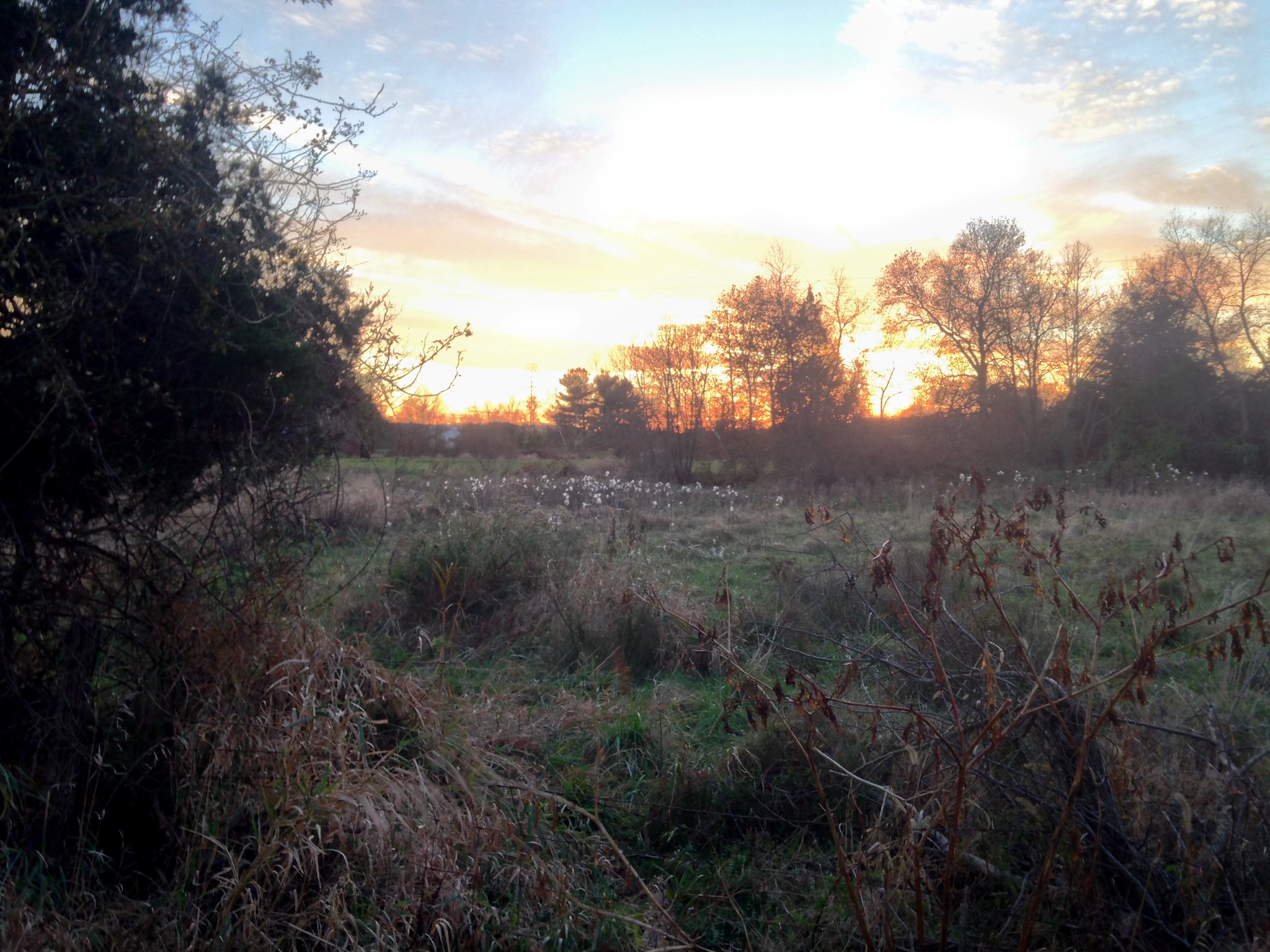
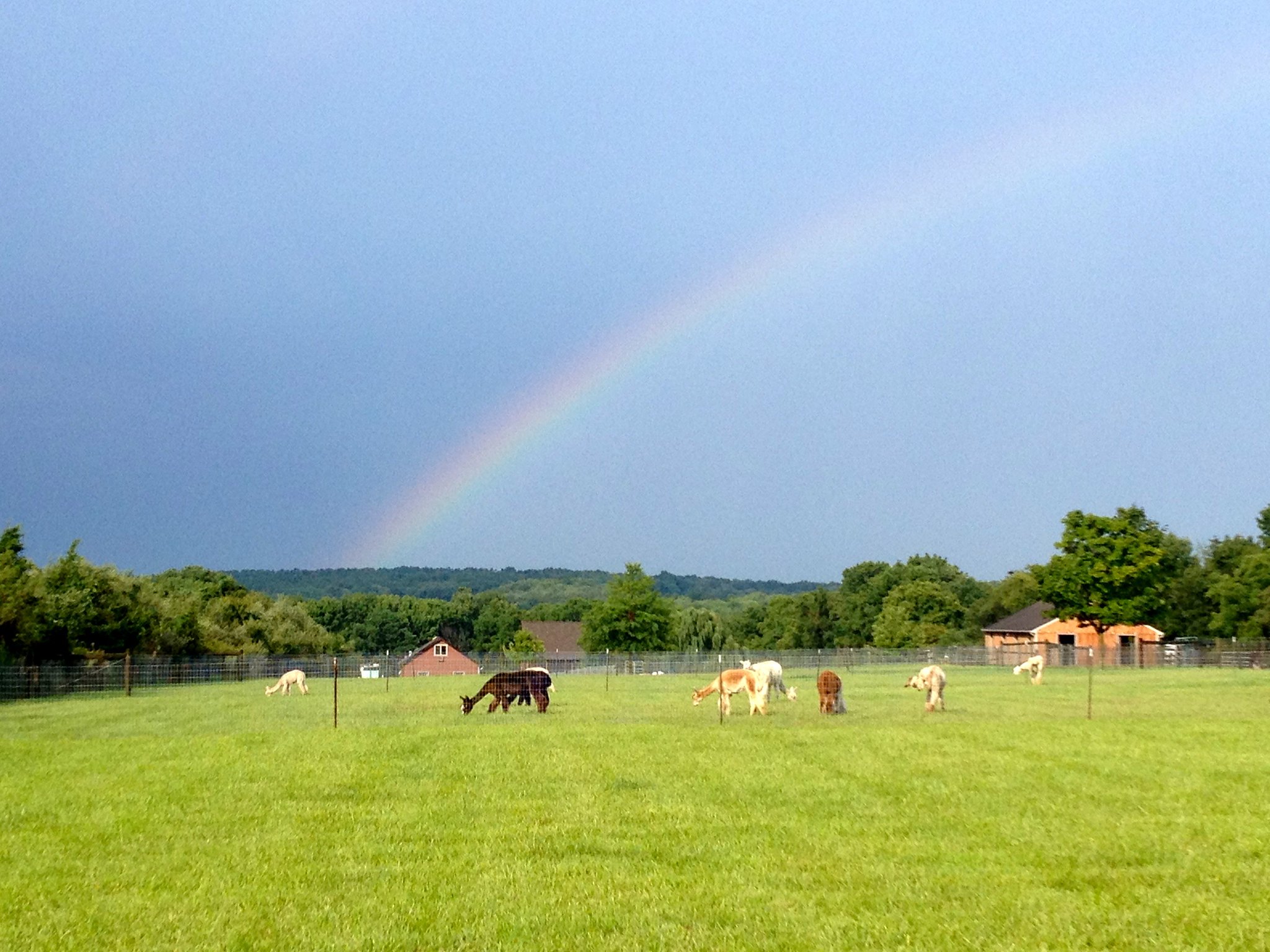
I don’t know if people rural just how rural and picturesque this area is. It’s an amazing combination of hills, lowlands, forests, farms, and of course the Delaware River that makes it profoundly beautiful. Here’s some shots of areas where the pipeline will be coming through:

Sunset on Woodens Lane. West Amwell, NJ.

Hewitt Road. West Amwell, NJ.

Farm on Hunter Road. West Amwell, NJ.

Looking towards Fiddler’s Creek. West Amwell, NJ.

Howell Living History Farm. Hopewell Township, NJ.

Near Moore’s Creek. Hopewell Township, NJ.

Fox on Hewitt Road. West Amwell, NJ.

Alpaca Farm on Woodens Lane. West Amwell, NJ.

Howell Living History Farm. That’s Baldpate Mountain in the distance.

An individual’s traumatizing experiences with natural gas

Kim from West Amwell, NJ writes to the FERC about her bad luck with natural gas and the trauma it’s caused to her family:

When I was young, my Uncle Ken Kenning, Aunt Eileen, Aunt Anna, and cousins Billy and Chrissy lived in Mercerville, NJ; their house was right next to a church. Because their driveway was fairly small, we always parked in the church parking lot when we visited.

On April 22, 1971, that church exploded in a violent gas explosion that left nothing but part of the entranceway remaining. I was only six at the time, but I still remember my mother telling me that Uncle Ken’s house had exploded and that the ceiling had fallen in on my Aunt Anna, and that she had been taken to the hospital. (See Figures 1-4 below for the Evening Times article covering the explosion.) At least five people were injured, and many homes in the area damaged, with windows being shattered miles from the site. If the explosion had happened two and a half hours later, the church would have been filled with children. In Figure 3, the lower right picture shows the view of the rubble from my cousin Chrissy’s bedroom.

Here’s one of the pictures she included:

That wasn’t her only story to share about natural gas disasters though:

This incident was very scary for me, a six year old. I didn’t understand how a building could just blow up like that, and I wondered if it would happen to our house. But I grew up and our house didn’t explode. (We didn’t have gas).

Two things happened when I was in my early twenties. First, my 80 cubic foot scuba tank became a projectile one hot summer night in my bedroom, bouncing off all the walls, smashing everything in its path. It was the loudest sound I had ever heard, and not realizing what was happening, I was convinced that an airplane was about to crash through the window. I personally learned that night how powerful gas under pressure can be.

The second thing that happened involved my Uncle Mike La Franco (my godfather), who lived in an apartment building in East Windsor, NJ. My father’s best friend, Uncle Mike was our closest and favorite, fun-loving uncle. One morning, he woke up and smelled gas. He called the appropriate number he had been given, but reached an answering machine. He waited a while and called again. Again he got the machine. He decided to get dressed and leave. He was in the bathroom when the building exploded. He managed to get outside, but he was burning, with even his hair on fire. My mother and I got the call from the hospital. He had burns that started on his head and went down his back, with more minor burns in other areas.

At one point while in the hospital, Uncle Mike asked me to drive over to his complex and try to find his car keys in his apartment. I drove over, not sure what to expect, but what I found was nothing. Not only was his apartment gone, the entire building was gone. I wandered around the grounds, and found a couple of wall decorations that had been in my uncle’s apartment, but they were melted and deformed. When I asked him if he wanted me to search further, he said no. He didn’t want anything to remind him of what had happened.

As you might guess, of course this means that her house is on one of the proposed Penn East routes:

When I got married a few years later, I told my husband that I would never want a gas stove or gas heater or gas anything, and thankfully when we moved into our current house (my childhood home), there was still no gas service on our road.

And then, in August 2014, we received a letter from PennEast, saying that our property would directly abut the pipeline route. And I knew that if this project was built, I would constantly have to live with the threat of our family being killed in a gas explosion. This fear was compounded when my cousin – the one who lived next to the church and who now lives in West Amwell, NJ – also received a letter from PennEast, saying that the line would go right through her property.

While I understand Kim’s issues with natural gas I don’t quite share the same level of fear of it that she does. But as I’ve said in earlier posts, risks are not absolutes but must be considered as a continuum. And it’s not just about likelihood of disaster but the outcome in the unlikely event that the worst does happen. I could live with natural gas in my house (in fact I have a 500 pound propane tank for home heating). But that’s not the same as a billion cubic feet of natural gas going by your house every day, and having it forced on you by eminent domain.

Read Kim’s entire submission below:

Kim’s submission to FERC

Kim’s submission to FERC Alternate site

West Amwell Submission – Explosions even worse than I thought

West Amwell Township, NJ has submitted a lengthy document to the FERC objecting to the pipeline. It’s a very well organized and written submission that goes into great detail why this pipeline is such a bad idea for our town and for the entire region.

There are two areas they discussed especially succinctly:

Public Safety – Explosions

Penn East is proposing a 36-inch natural gas transmission line through West Amwell. This pipeline will have natural gas flowing at the rate of 1 billion cubic feet per day. The effects of an explosion with this rate of energy flow would be disastrous. A 36 inch diameter natural gas transmission line under high pressure, if exploded, could cause radiant heat to ignite secondary fires within a 1,000 foot radius.

PennEast downplays issues of pipeline safety and claims that they will incorporate the best safety practices from construction through operation.

However, in 2012 alone, natural gas transmission lines accounted for more than 80 explosions and fires according to the Pipeline Hazardous Materials Safety Administration (PHMSA), a branch of the US Department of Transportation that inspects and regulates the nation’s pipelines. Of the 80 incidents, 38 were classified as significant, PHMSA data show. The 2012 accidents and fires reportedly caused seven injuries, and more than $44 million of damage.

Since 2001, however, natural gas pipeline explosions and other accidents have resulted in the loss of at least 45 lives and many more serious injuries, usually from burns. (FracDallas.org)

In September 2010, a natural gas pipeline explosion rocked neighborhoods of San Bruno, California, killing eight people. The National Transportation Safety Board investigated the cause, and in the words of Chairman Deborah Hersman, found “troubling revelations … about a company that exploited weaknesses in a lax system of oversight and government agencies that placed a blind trust in operators to the detriment of public safety.” And, according to a Philadelphia Inquirer investigative report, such revelations ring true in Pennsylvania, where “hundreds of miles of high-pressure pipelines already have been installed in the shale fields with no government safety checks — no construction standards, no inspections, and no monitoring.”(Food&Water Watch, Natural gas pipeline problems from beginning to end, January 2013)

In an earlier post here I cited a woman concerned about a 400′ “kill-zone”. As it turns out there’s a lot of data on pipeline explosions (unfortunately) and it’s much worse than 400′. Some readers emailed me that the 400′ figure was understating the facts, and as you can see West Amwell Township corroborates this.

West Amwell elementary is within that 1000′ zone. As are several homes in my neighborhood.

The township continues on another safety topic that I personally have been wondering about. How smart is it to co-locate a natural gas pipeline along with high voltage electric line route?

Public Safety – Co-location with transmission lines There is also concern with the co-location of a large, high pressure gas line to overhead electrical transmission lines.

“Transmission lines are considered one of the major sources of magnetic fields. In recent years electromagnetic field (EMF) interference with buried pipelines has been of great interest in the literature. The EMF interference on pipelines located in utility corridors is a real and serious problem which can place both operator safety and pipeline integrity at risk. Installing pipelines in energy utility corridors containing high-voltage AC transmission lines subjects the pipelines to induced AC voltages. This can be caused by an imbalance in the transmission system, and by high voltages near transmission tower grounding systems resulting from lightning strikes and phase faults. When a long-term induced AC voltage exists on a pipeline, it can be dangerous and potentially life-threatening for operations personnel to touch the pipeline or appurtenances. In addition, pipe corrosion also can result from AC discharge”. (Transmission Line EMF Interference with Buried Pipeline: Essential & Cautions M. H. Shwehdi and U. M. Johar)

“The issue of electromagnetic field interference on buried pipelines has been known for over 30 years. When a pipeline runs parallel to a transmission or electric distribution line, the pipeline becomes part of the electrical circuit by electromagnetic and electrostatic coupling (Nelson, 1986). The impact of co-locating metallic pipelines usually buried in the earth directly underneath high-voltage transmission lines can cause electromagnetic interference”. (Issues Affecting Co-Location of Energy Infrastructure, Governor’s Office of Energy and Security, May 2011)

An explosion in a pipeline located near transmission lines, would again, be disastrous.

Yikes.

Read West Amwell’s complete submission below:

West Amwell Township – FERC Generated PDF

West Amwell Township – FERC Generated PDF Alternate site

West Amwell Township Planning Board conveys their “strident opposition” to the pipeline

It’s funny that you can’t open a newspaper or watch the TV news without hearing another story of corrupt politicians, inept government, or just plain all around incompetence in the public sector. Yet how often do you hear a story about a government body doing the right thing?

Robert E. Tomenchok Jr, chairman of the West Amwell Township Planning Board, shows us government done right:

The West Amwell Township Planning Board wishes to convey our strident opposition to the proposed PennEast pipeline.

While we favor strongly the development of domestic energy resources, and support strenuously the free enterprise system, there are numerous aspects about this project with which we object.
Specifically:

1) The proposed route appears to have been chosen with little or no regard to the proximity of schools, emergency facilities, housing, wetlands, woodlands, historic structures/features, et cetera. The Planning Board strives to ensure that we leave West Amwell in better condition than we found it, and this project fails this simple test.

2) In most every aspect of governance home rule continues to be eroded, being slowly and systematically replaced by centralized control. The fact that we have so little control over such important decisions is aggravating, demoralizing, and causes many intelligent, caring citizens to eschew public service. Were it not for the fact that the pipeline crosses the Delaware River, it would have appropriate local input and control.

3) The threat of the exercise of Eminent Domain to secure land for a for-profit enterprise flies in the face of the free enterprise system. While we recognize that there exists a need for government to intervene in rare cases where intransigence stymies the public good, we feel that this project does not rise to that level.

4) The virginal nature of this pipeline should dictate even greater scrutiny. History shows that once a route has been established additional pipelines can and will follow. West Amwell is a rural community of mostly small farms with two large and two small housing developments. The proposed route has drawn objection across the demographic spectrum – from full time farmers to metropolitan commuters who come home to sleep in their tract homes.

Read the full submission below:

West Amwell Township Planning Board – FERC Generated PDF

West Amwell Township Planning Board – FERC Generated PDF Alternate Site

Alternatives not seriously considered

Pamela of West Amwell wrote a tour-to-force submission to the FERC objecting to the pipeline and the procedures being followed in its review.

Pamela of West Amwell – FERC Generated PDF

Pamela of West Amwell – FERC Generated PDF Alternate Site

Pamela points out in particular that PennEast there are many good alternatives to the proposed pipeline route, and they simply are not taking those alternatives seriously. It’s a dense, information packed essay that I urge you to read in full. This one section really caught my eye though:

2) The Transco Alternative as proposed has less potential for impacts in a majority of the CIA categories. It is understood that the Transco Alternative as proposed does not provide the same connectivity benefits as the Preferred Alternative and would need modification prior to impact assessment; however, in the absence of well-developed Transco Alternative(s) that would meet connectivity needs, my comments reference the Transco Alternative as presented.

A comparison of the Critical Issues Analysis (CIA) items in Tables 10-2 and 10-7 shows that the Transco Alternative has less potential impacts within its 400-foot study corridor than the Preferred Alternative. The Transco Alternative:

– Crosses one less municipality;
– Fewer streams;
– Fewer cold water fishes/fewer warm water fishes;
– Fewer naturally producing trout waters;
– Fewer Non-Chapter 93 Designated Streams;
– Fewer Category 1 Streams;
– 26 less acres of NWI wetlands within its corridor;
– Fewer centerline crossings of NWI wetlands;
– Fewer wells;
– 777 less acres of CNHI-designated habitat (Core Habitat/Supporting Landscapes);
– Zero acres of Natural Heritage Priority Sites (compared to 3 acres for the Preferred Alternative);
– 15 less acres of wellhead protection area within its corridor;
– Zero acres within the Delaware and Raritan Canal Commission Review Zone B (compared to
669 with the Preferred Alternative);
– 225 less acres of State Parks (PA) within its corridor (6 acres compared to 231 with the Preferred
Alternative);
– 58 less acres of State Game Lands (PA);
– 203 less acres of NJ Farmland Preserved Parcels;
– 18 less acres of Agricultural Security Areas;
– Zero acres of Karst (PA) (compared to 197 acres within the Preferred Alternative); and,
– Lower percentage of wetland acres within its corridor

Co-location isn’t magic fairy dust

An original criticism of the PennEast project was that it was 0% “co-located” in NJ. That is, it cut a brand new path through virgin territory. The preferred approach is to co-locate a new pipeline along an existing easement to reduce the environmental impact.

That’s all well and good, but co-location isn’t magic. Problems just don’t disappear because you co-located your pipeline. This is especially true when you mix and max utilities. Co-locating two pipelines next to each other may make sense. Putting a pipeline along a high tension power line route….hmm, maybe not so much.

Brian from West Amwell explains why:

1. PennEast’s proposed route has been chosen to follow alongside existing right away electric utility easements with little regard to homeowners along those existing easements. There are quite of few houses with smaller yards (1 to 3 acres) in our neighborhood which run along the electric utility easements. Just so PennEast can say that they are following along current easements, they will attempt to squeeze the pipeline through our neighborhood regardless how close our homes are and how much more land we will end up losing for another right away. Just because it is running alongside a current easement doesn’t mean it is the best path. This proposed plan has not taken into account proximity to homes, woodlands, wetlands, and historic sites, etc. that are in its path. This plan does not appear to be well planned or thought out. Basically, they are just blindly following alongside an electric utility easement without regard.

2. I also believe PennEast is not dealing with property owners in good faith. PennEast hosted a dinner where homeowners could look at map models of the 400 foot study corridor. I was invited to the meeting as a homeowner who was supposedly in the 400 foot study corridor. At the dinner, they showed me on the map that my property is no longer in the 400 foot study corridor, yet I was still pressured at the dinner to consent to have my property surveyed. I was even called after the event by the same person asking for a survey. First I’m in the study corridor and then I’m not in the 400 foot study corridor, but they still need me to consent to a survey.

His submission is here:

Brian from West Amwell – FERC Generated PDF

Brian from West Amwell – FERC Generated PDF Alternate site