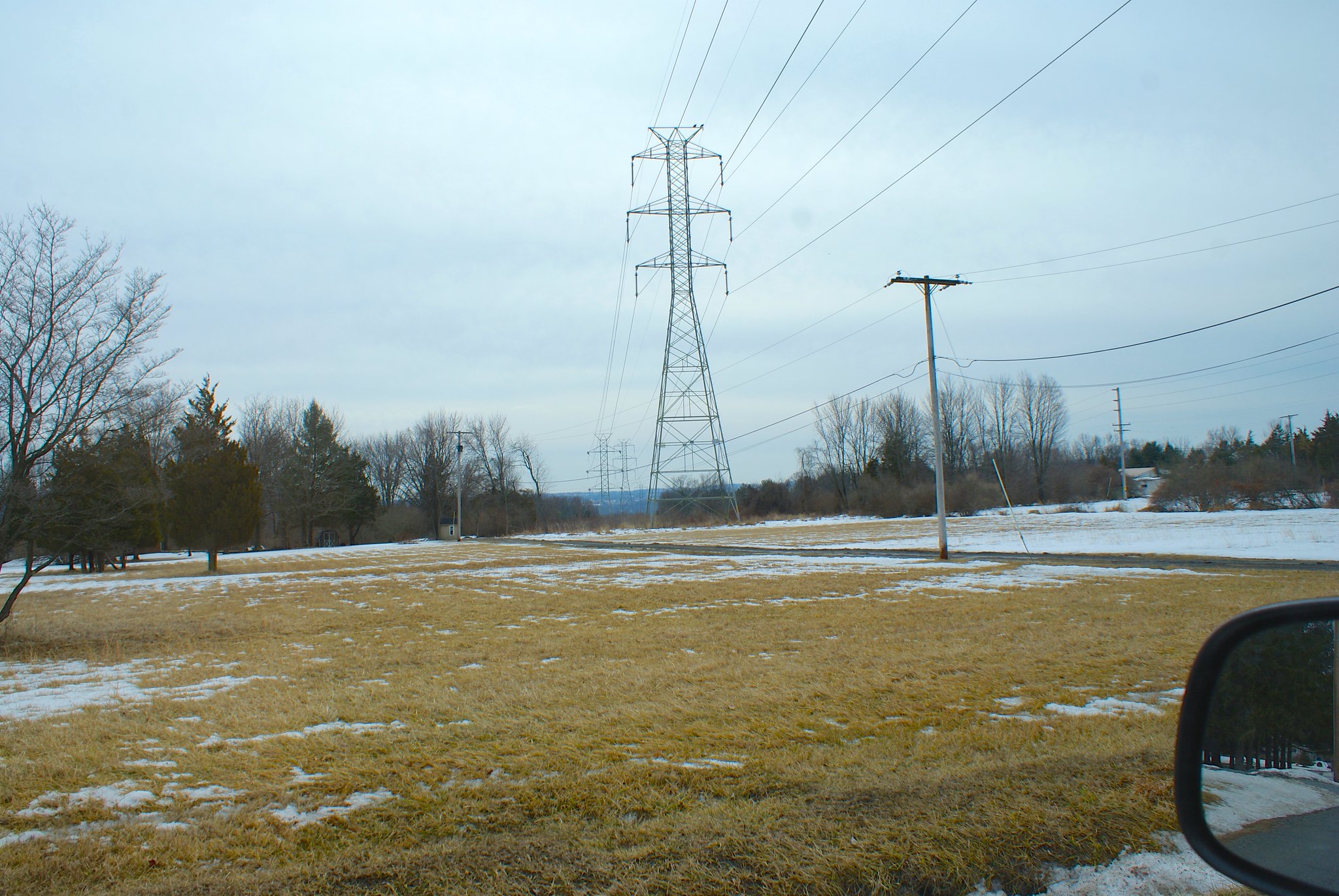
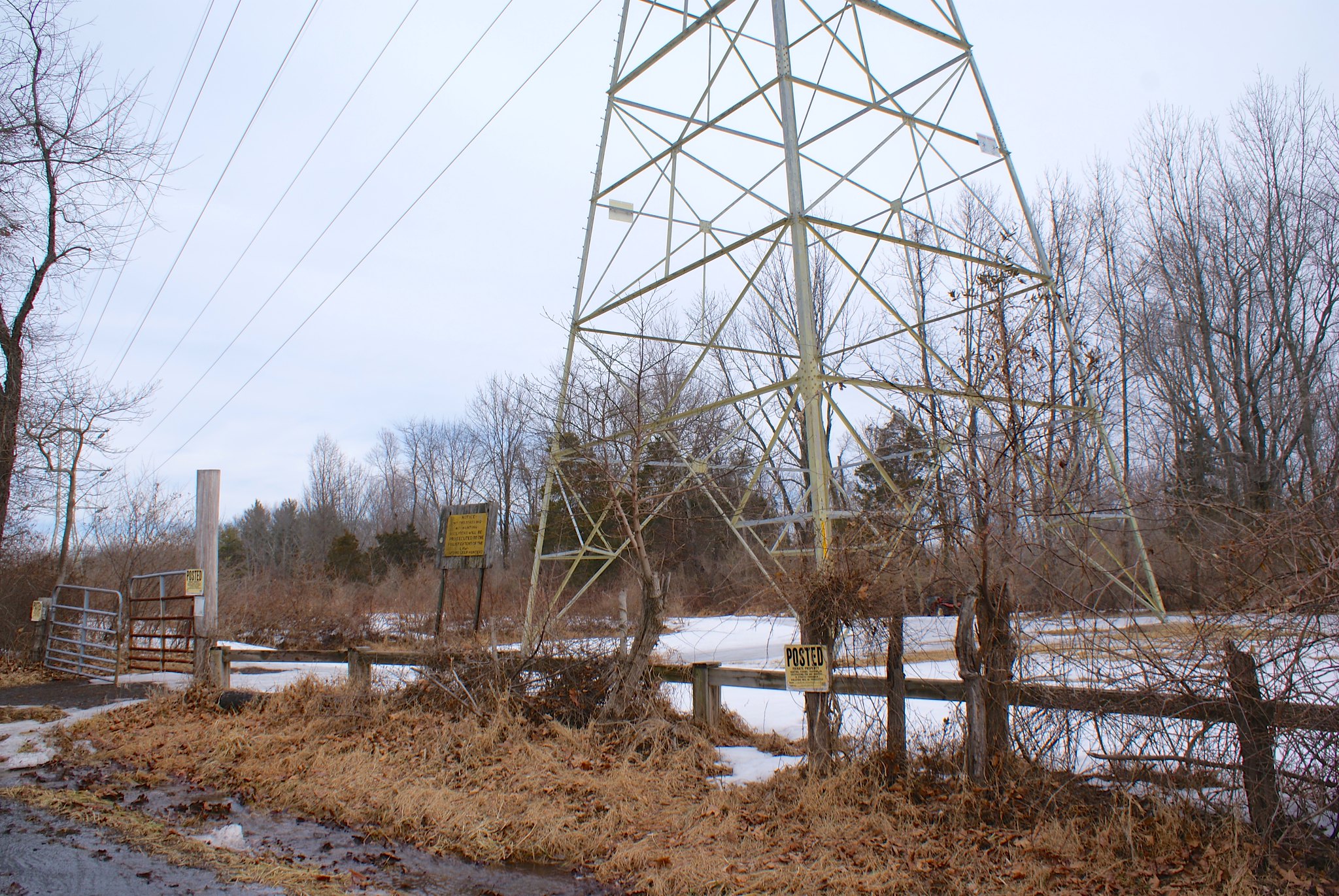
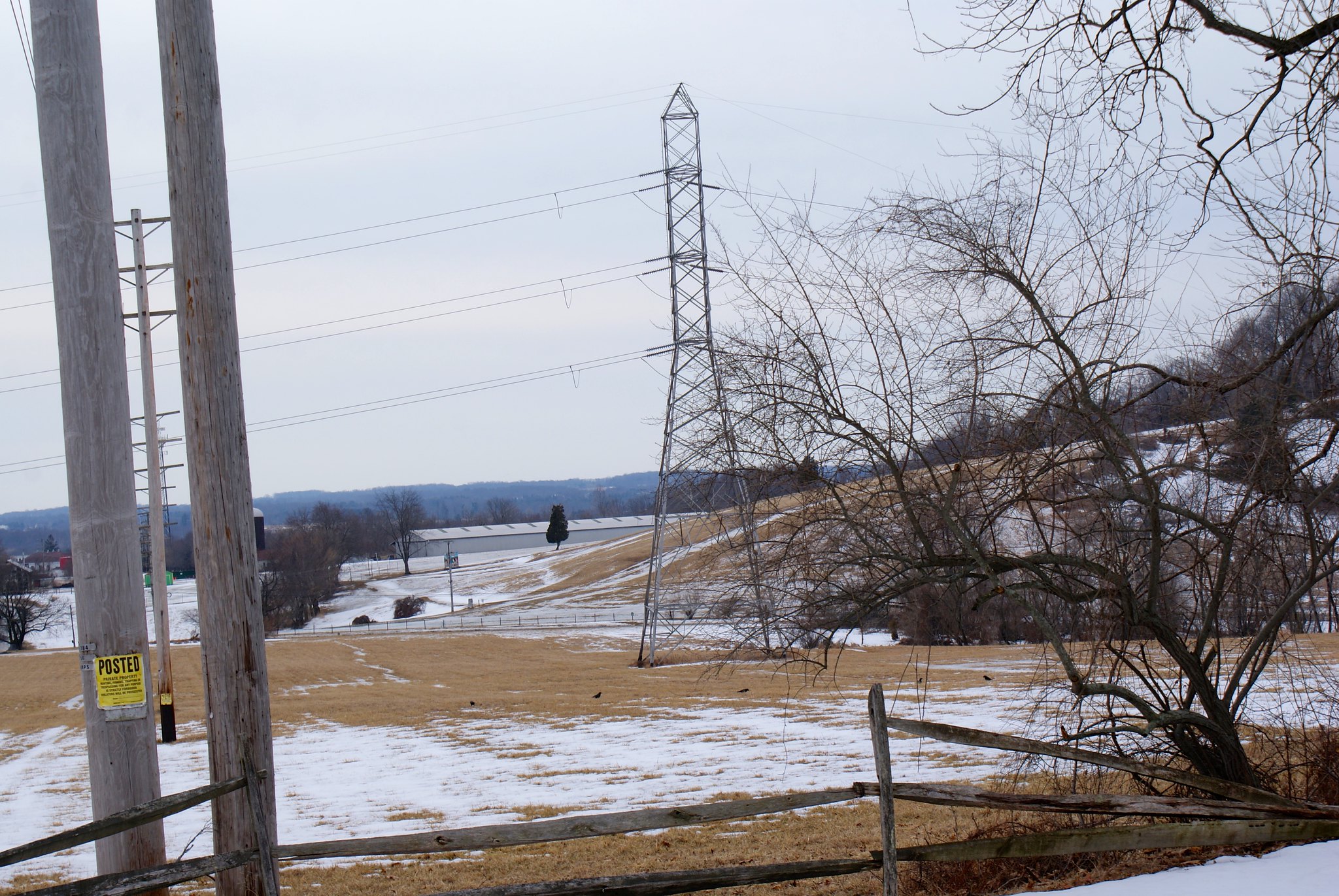
PennEast responds to scoping comments with a fifth grader’s essay

PennEast has responded to the FERC scoping comments made by individuals and organizations:

PennEast’s response – FERC Generated PDF

PennEast’s response – FERC Generated PDF Alternate Site
The response reads like it was written by a fifth grader who forgot their paper was due tomorrow (with all due apologies to fifth graders). It is difficult to enumerate how many things are wrong with this document, but I’ll try:

  • People’s comments are lumped together by category. Instead of responding to each individual scoping document, PennEast has done a massive amount of editing and pushed everybody into buckets. There’s a water quality bucket, protected waters bucket, blasting bucket, etc. If anyone shared any unique information in their specific comments they are completely lost. This is completely outrageous.
  • The comments are boilerplate and vague. For example, on the question of whether this pipeline is needed or not, PennEast says “Section of 1.1 of Resource Report 1 – General Project Description details the purpose and need of the PennEast Pipeline”. That’s it.
  • There’s no detail. When people submit issues for multiple creeks, PennEast lumps it all together and says “We’ll do a study”. That is not acceptable. Before FERC should grant approval they should force PennEast to do all studies up front and prove that they will not endanger streams, will not hurt the ecology, will not damage our wells, and will not generally harm our environment and lifestyles.
  • Responses are missing.  Of the myriad of issues and questions I had in my FERC submission, PennEast responded to…9.
  • PennEast avoids certain questions altogether.  There are two separate questions on blasting – one is about PennEast blasting, another is about the pipeline running near quarries that blast – PennEast lumps the two together.  And then says nothing about the quarry blasting.
  • They are unwilling to move the route.  They’d rather say “we’ll fix any problems we create” than “we’ll move it”.  On the karst geology and sink holes – they say “don’t worry about it, our steel is high grade!”.  On arsenic, they say “Hey arsenic occurs naturally, what’s the big deal?  And if it contaminates anyone’s well, we’ll get them water from somewhere else, somehow”.
  • They keep saying disturbances will be “temporary” in nature.  Once construction is done, all will be well!!
  • They keep saying they will “minimize impacts” to areas.  They don’t say how, they just assert they will.
  • They do bring up compensation.  A lot.  If we screw up your ecology, we’ll pay you.  If we screw up you open spaces, we’ll pay you.  If we ruin your crops we’ll pay you.  If we go through your parks and endanger wild life, we’ll pay you.  Listen up, PennEast.  We don’t want you to pay us.  We want you and your pipeline to go away.
  • It’s all about convenience for PennEast.  On the issue of endangered species, PennEast says “Where practicable, the pipeline route is being adjusted to avoid protected habitats”.  And when it’s not practicable?  Well, then, too bad.
  • On the proximity to schools: “Data shows that while natural gas demand has increased, serious pipeline incidents have decreased by 90 percent over the past three decades alone, primarily as a result of significant efforts by pipeline companies to upgrade and modernize their infrastructure”.  So here PennEast actually admits that accidents do happen.  But it’s rare, so, yeah, we’ll be running that pipeline a few thousand feet from elementary schools anyway.  And if we blow up your kids we’ll compensate you!

Go read the document yourself and be prepared to get annoyed.  Really annoyed.  Keep sharp objects and breakables away from your reading area just to stay safe.  It’s really that bad.
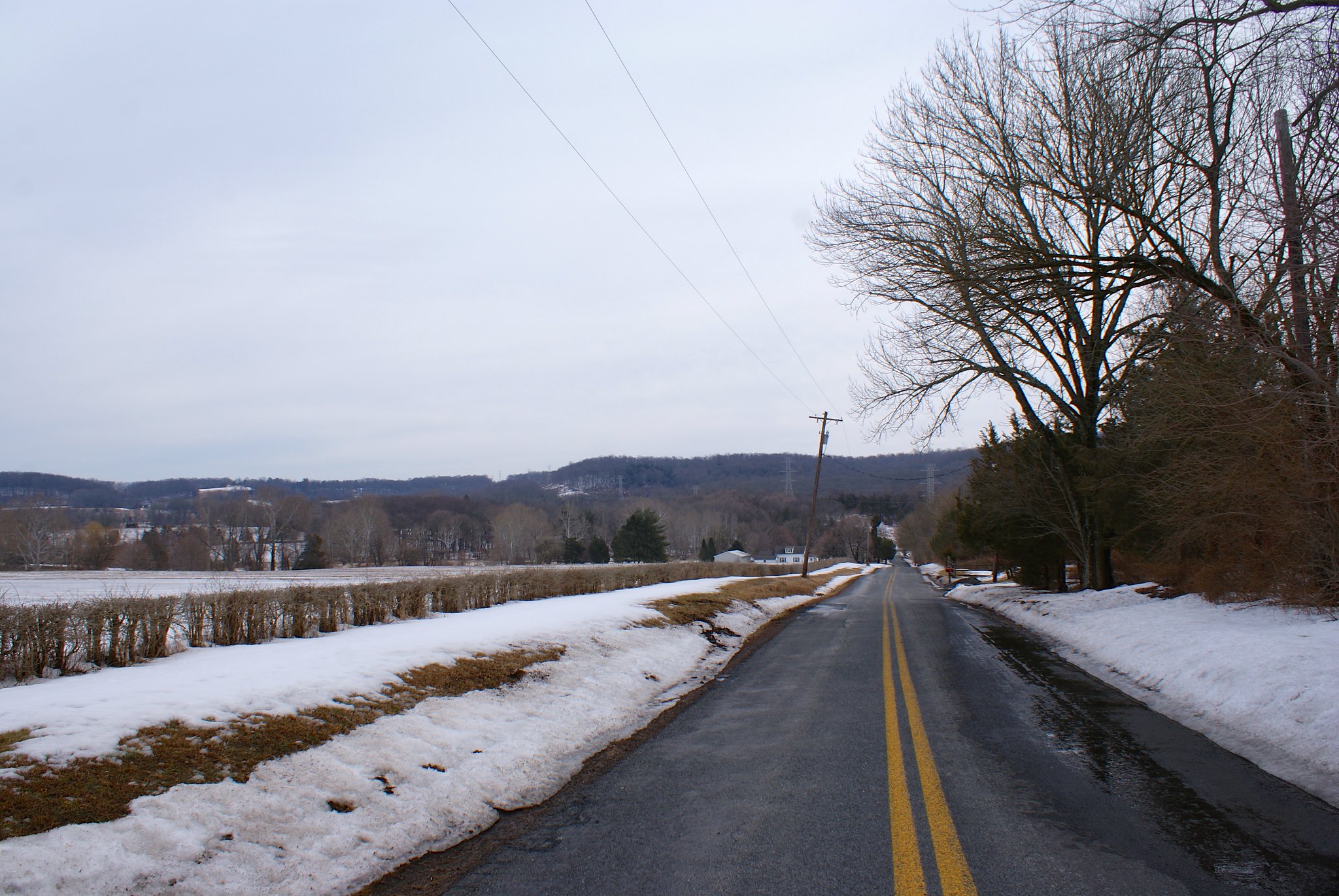
Photographing the pipeline route, Part 3: More Hopewell, NJ and Baldpate Mountain

Part 3 of the pipeline route pictures stays in Hopewell NJ.  This includes some views of the route going up Baldpate Mountain and through a number of very sensitive areas.

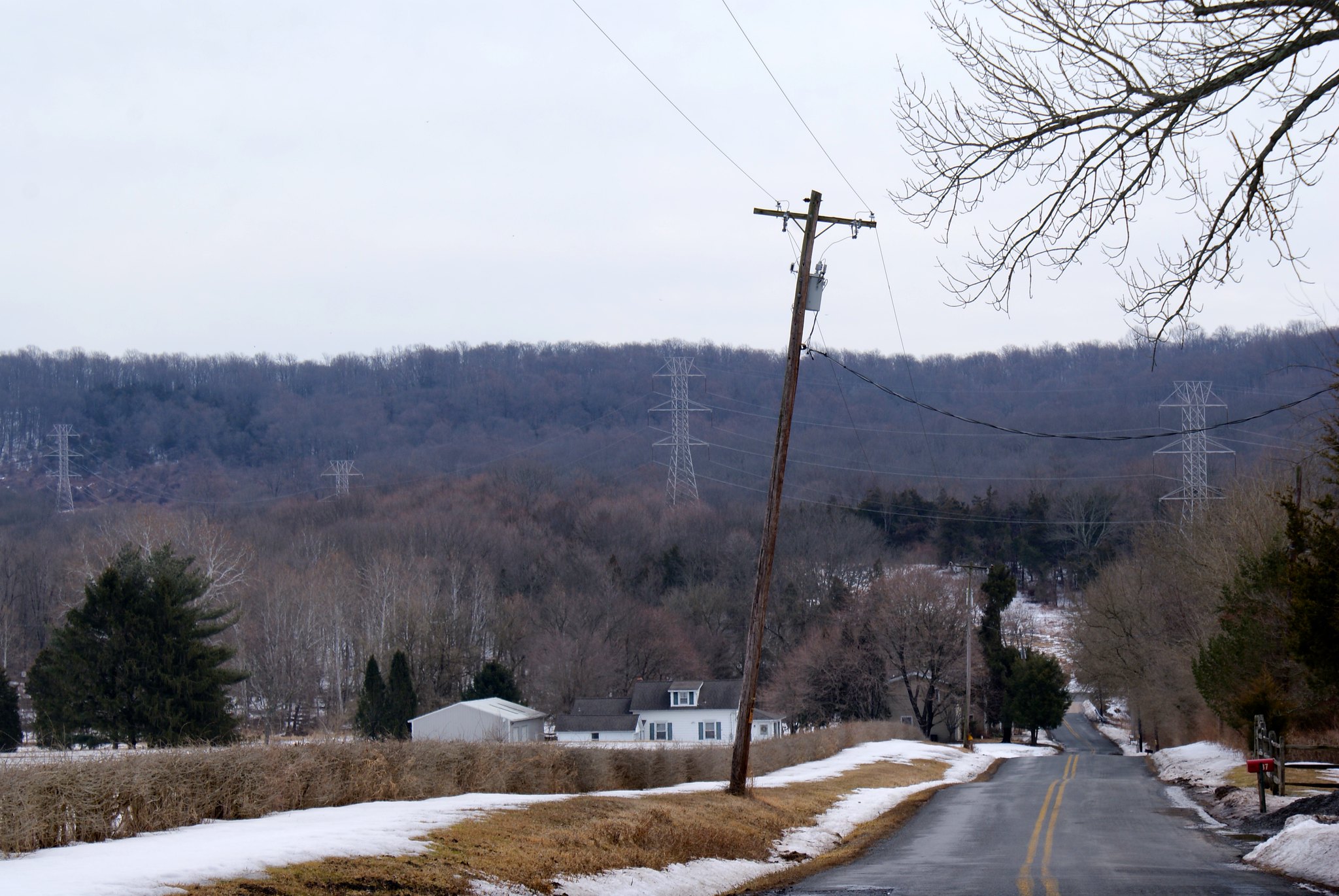
Valley Road next to Howell Living History Farm
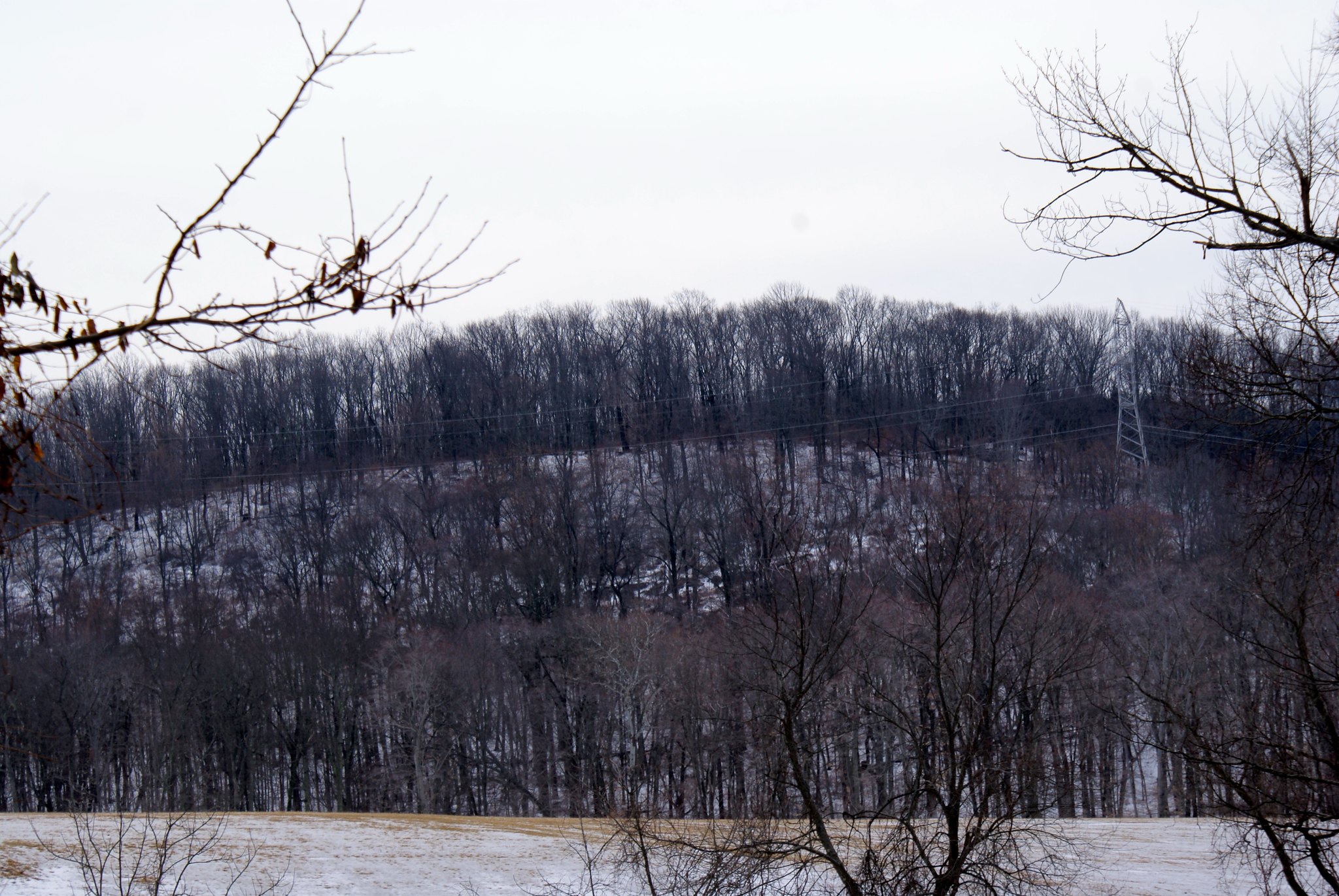
This shot is looking down Valley Road towards Pleasant Valley Road. On the right is the Howell Living History Farm. This is a Mercer County owned farm that’s dedicated to teaching about farming techniques used centuries ago. They do real farming and have a great deal of live stock on site as well.

In the distance you see the electrical towers marching up Baldpate Mountain, where the pipeline is proposed to go as well. Baldpate is an ecologically unique feature in New Jersey due to its location and geography.

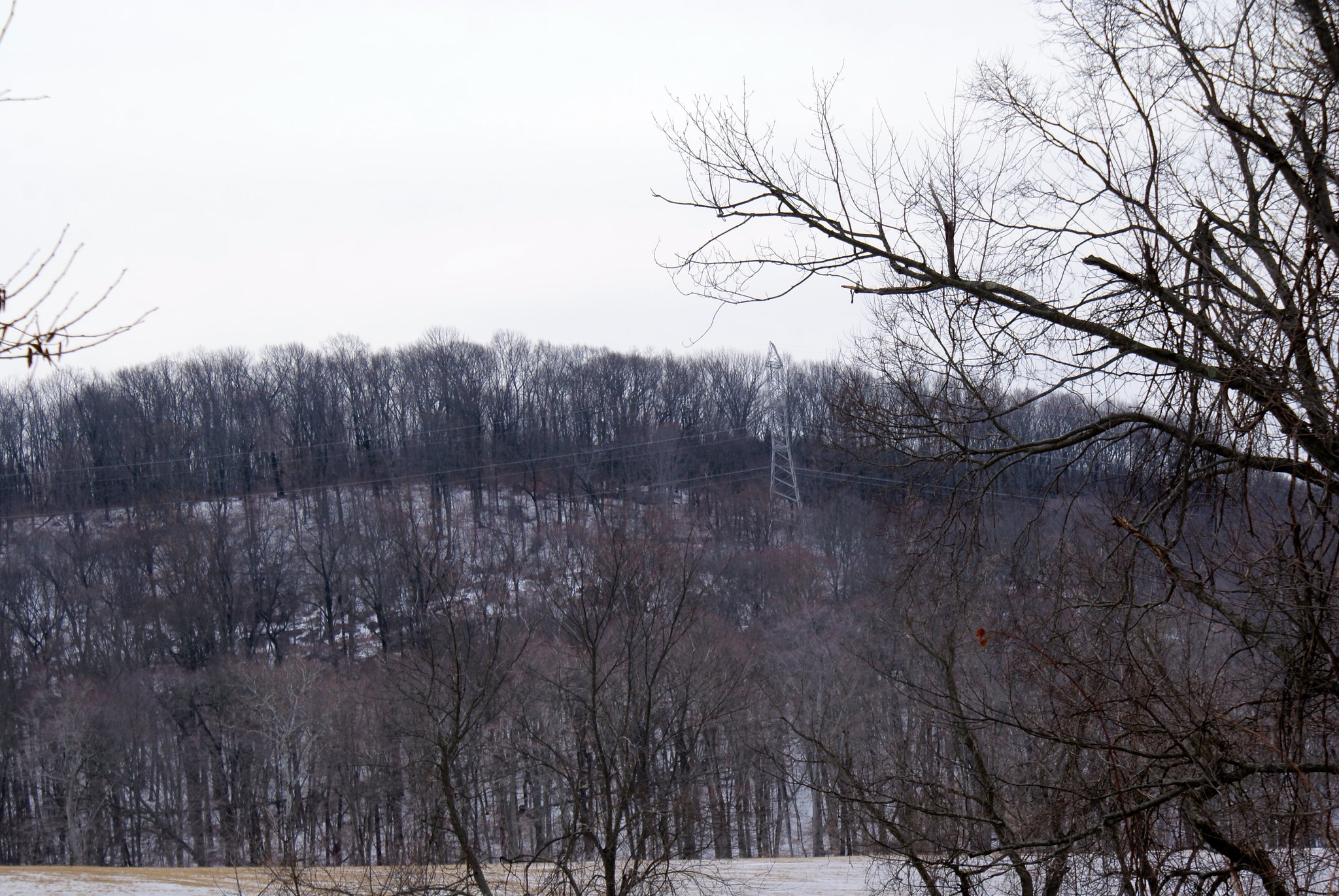
Valley Road Closeup of Baldpate site
Here I zoomed in on the towers going up Baldpate. This is a somewhat rugged area and the diabase bedrock is within just a couple of feet of the surface. In some areas it’s at the surface. They’d need to blast to get the pipeline down to the required 8′. As you can see in this shot the slopes are not just in the line of the power lines but in some cases perpendicular to the lines as well. To fit the pipeline in they’re going to have to widen the power line easement cut significantly (because you can’t put the pipeline right under the towers).

Valley Road near Pleasant Valley Road
This is near the intersections of Valley Road and Pleasant Valley Road. On the left is still Howell Living History Farm. As you can see the pipeline will be running just a few hundred yards from the farm. You can’t see it here but it also is crossing Moore’s Creek and crossing right at the intersection of the two roads.

We’re swimming in an ocean of “bad” if the pipeline goes through here. Construction will be bad for the farm. Running through or under Moore’s creek is a very, very bad idea. It’s a category 1 stream that ends in the Delaware river, and carries a lot of water when it rains or we have snow melt. They’re going to be blasting around here, distributing material all over. Then going up the side of Baldpate they’ll be disturbing the ecology and worsening run off.

Baldpate is a preserved state park and they’re running right over it.

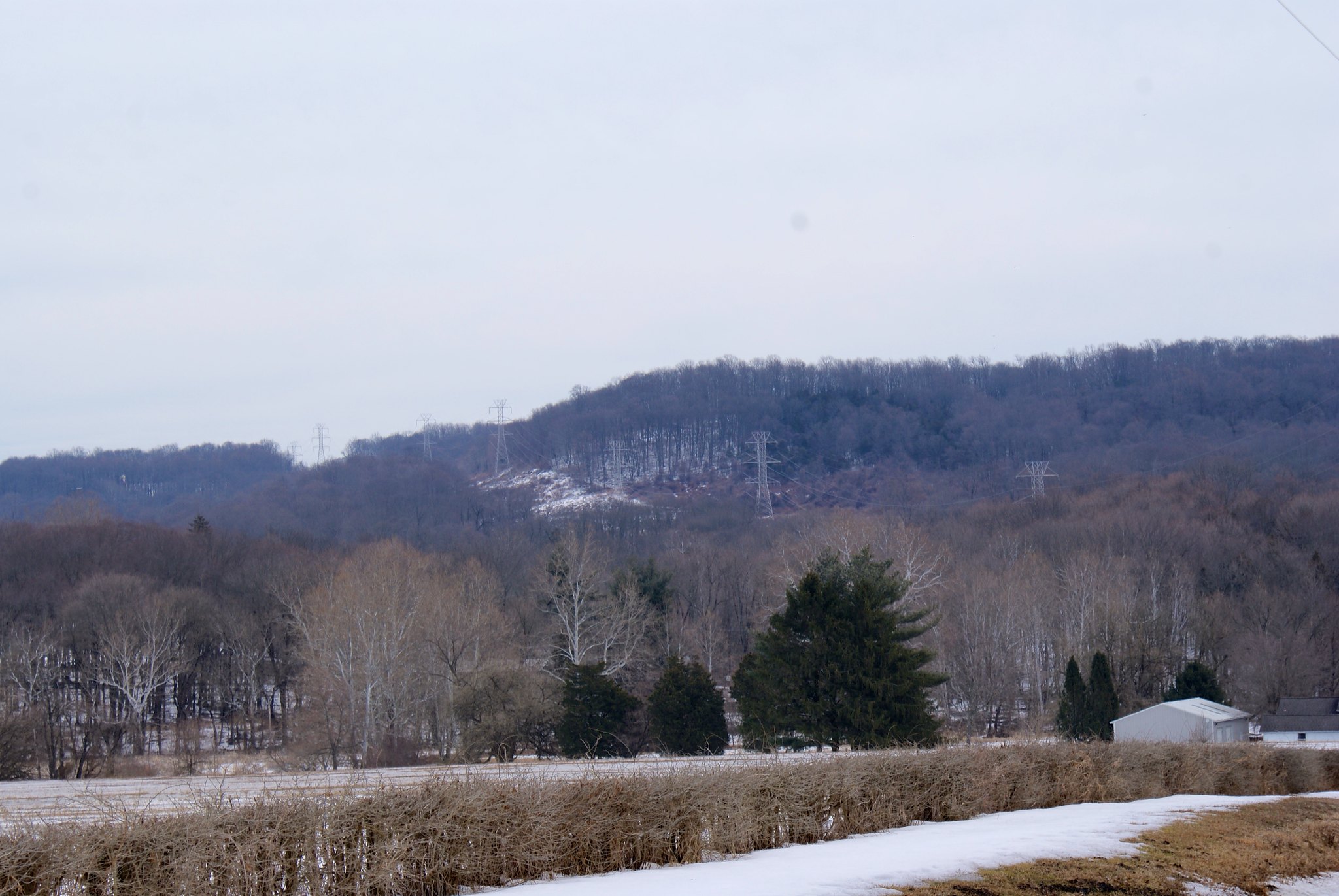
Pleasant valley road
A view from Pleasant Valley road of the towers and route. Sorry for the poor quality, that was through my truck’s windows.

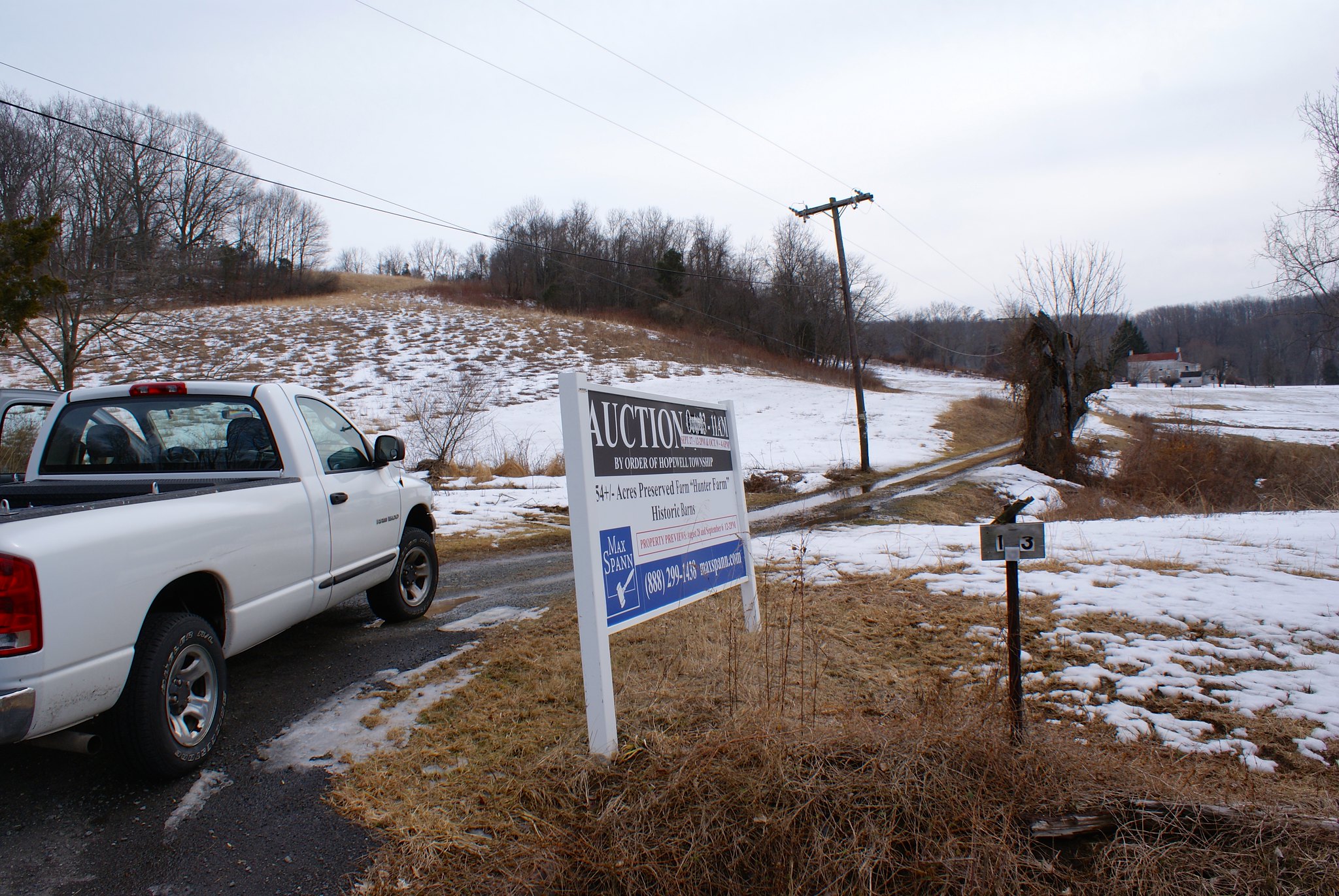
Pleasant valley Road, the Hunter Farm
This is one of a few Hunter farms in the area 🙂 This one as you can see is a 54 acre preserved farm with historic barns on the property. You can’t see it here but the pipeline will be running right through this historic farm.

Pleasant Valley Road, Towers going up Baldpate
A view of the towers marching along Baldpate.

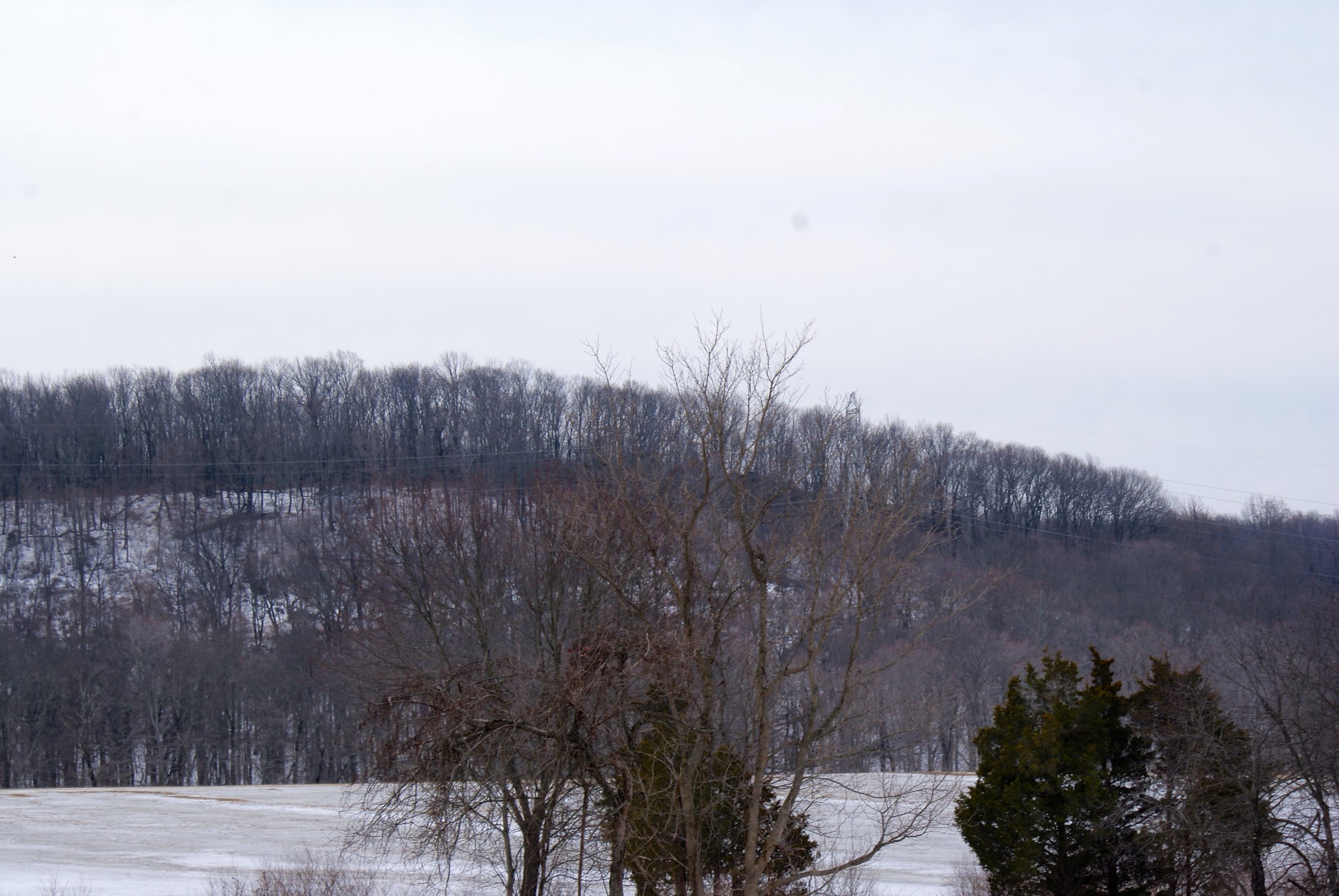
Pleasant Valley Road – Closeup
A closeup of the previous shot

Pleasant Valley Road – Closeup
Another closeup of the previous shot

Pleasant Valley Road and Valley Road
This is the intersection of Pleasant Valley Road and Valley Road. You can see the power lines going right over head. You can see them crossing Moore’s Creek here and then running right through the intersection. It’s right next to a bridge that already has sustained some damage from all the ice we’ve had the past couple of winters.

Valley Road – Closeup of Moore’s Creek
This is a closeup of the Creek from the Valley Road bridge. As you can see it’s brown and swollen from the rain and snow melt run off.

Pleasant Valley Road View up slope
A view of the towers and pipeline route at the intersection.

Pleasant Valley Road closeup of tower
A closeup of one of the towers to give you a notion of how big they are. The easement is only 100′ wide and PennEast needs to stay about 25 feet away from the base. I’d ball park these towers as around 30 feet wide at the bottom. That means for PennEast to create it’s construction zone 100′ wide, it’ll have to clear cut an extra 40 feet or so on one side. So they’ll be widening the size of the cut by almost 50% more than we have today.

Pleasant Valley Road and Valley Road closeup
Closeup of the sign and looking to the west.

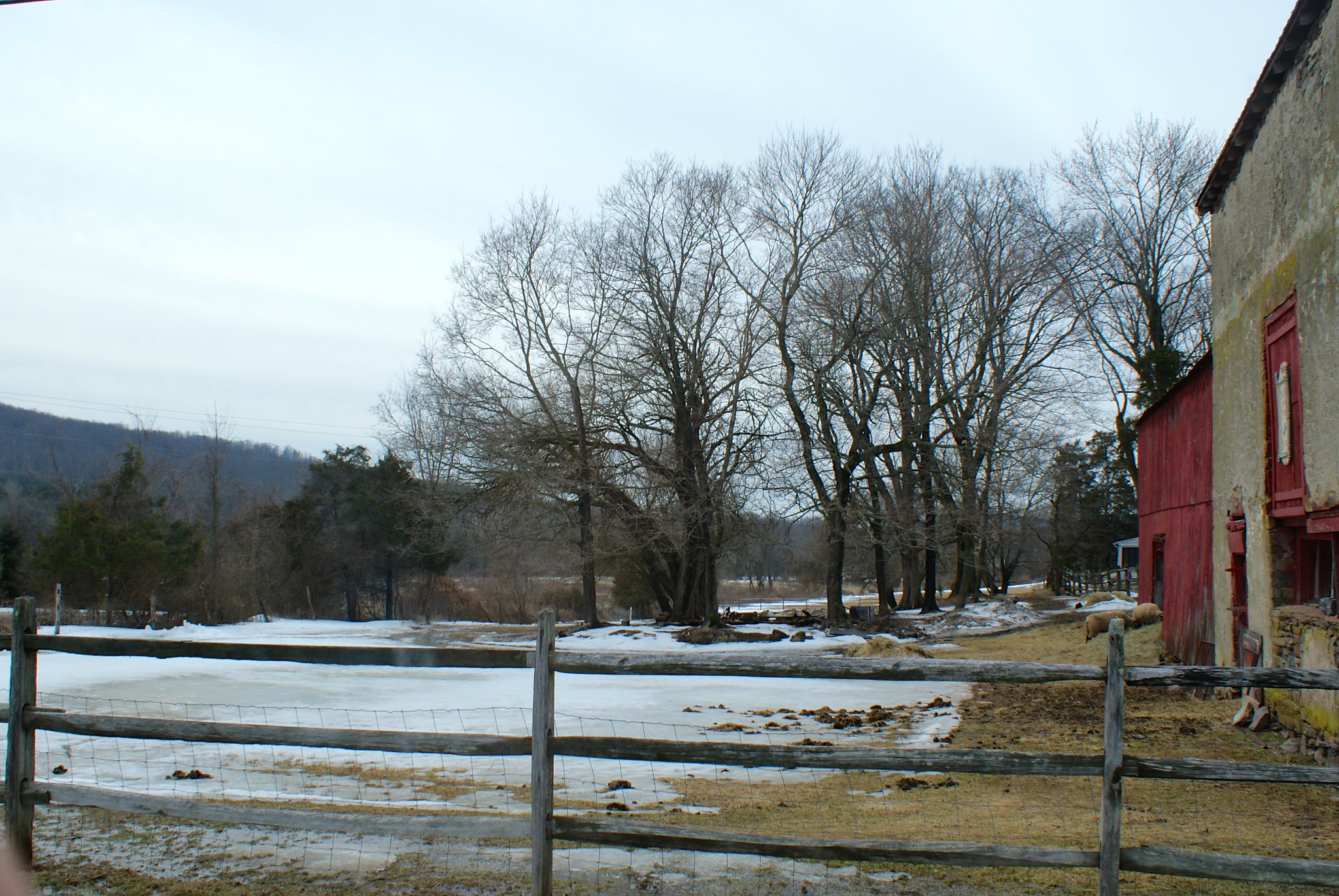
Valley Road – Sheep Farm
This is a sheep farm that’s on Valley Road. The pipeline will be running across the middle of the entire farm. If you look closely you can see the sheep on the bottom right.  There are other farms along here that you can’t see which you can only get to via an access road. The pipeline is going to cut right across that access road, cutting off people from their farms.

Photographing the pipeline route, Part 2: More Hopewell, NJ

This is part 2 of my series of posts showing pictures of the pipeline route and demonstrating exactly who the pipeline will be impacting and what sort of terrain they’re going to be building through.  These are all in Hopewell NJ in Mercer County.  Most people think of Trenton when they think of Mercer County, but in fact the North western part is quite beautiful farming country.

Goat Hill Road looking Southwest

A view from Goat Hill Road. You can see the powerlines going through the middle of the shot, the pipeline will be right next to those on the ground.

Goat Hill Road Steep Slope
A few up one of them many steep slopes this will be going over.

Goat Hill Road zoom in of same shot
Same shot, just zoomed in a bit.

Goat Hill Road field
This is the field where the route takes a left turn towards Baldpate mountain.

Goat Hill Closeup
Closeup of previous shot

Valley Road Steep Slope
Where the pipeline route crosses Valley Road you can see it has to immediately go up a fairly steep slope.

Valley Road Closeup
Closeup of previous shot.

Valley Road looking towards Baldpate
This shows where the pipeline starts going towards Baldpate Mountain

Valley Road Closeup towards Baldpate
A closeup of the previous shot. As you can see we are crossing yet another farm, and then up we go onto the steep slopes of Baldpate Mountain.

Valley Road, Pleasant Valley Farm
This shows where the pipeline will be cutting across the length of Pleasant valley Farm, and incidentally cutting across their driveway.

Photographing the pipeline route, Part I

On Thursday I grabbed my trusty Sony Alpha DSLR, my phone, a notebook and pen, hopped into my pickup truck and set off on a quest to photograph as much of the pipeline route as I could.

I only made it to Frenchtown, but along the way I got some great shots of where the pipeline will be going through. Hopefully I’ll get through more this weekend.

I’ll be submitting the whole thing to the FERC in batches as I document it so they can see some of the sensitive areas the pipeline’s going through.

All pictures are also links to larger copies.

This first batch covers my immediate home area in West Amwell NJ and next door in Hopewell, NJ. I’ll continue to do these roughly 10 pictures at a time.

You can see the entire set in my flickr album here.

I wrote down the picture number of each shot along with its location in my notebook so I had a record of which shot was which. In total there are 157 just from this one trip so I’m glad I did!

Horse farm on Hewitt Road

This is the horse farm across the street from my property. From what I hear the owner has been negotiating with PennEast and will be granting them an easement. The pipeline will be going around his house and barn but will tear up a lot of his fields where the horses currently graze. I’m not sure what he’s going to do with them during construction. The pipeline route will be next to the high voltage electrical towers.

Hewitt Road Crossing Driveway
On this shot you can see where the pipeline route (along the high voltage power lines) is crossing across my neighbor’s driveway. There’s a lot of this around here unfortunately, not sure what my neighbors are supposed to dow with their houses during construction.

New house on Hewitt Road
This is a new house my neighbors built about a year ago. It doesn’t show up on google maps yet so PennEast may not be aware of them. They have an adorable hound dog named Brody and just had a little baby shortly after they moved in. The pipeline is is slated to cut across their property.

Hewitt Road looking south
Here I’m looking down the pipeline route along the wires, it shows where the route will cut my neighbor’s driveway and then head down the side of goat hill, which is somewhat steep.

Hunting area on Goat Hill Road
This area is owned (or maybe leased, not sure) by a hunting group. The pipeline route goes right through their staging area where they park their trucks before heading out to hunt. I can’t imagine they’re too happy with the pipeline ripping up the area and making it unusable for weeks.

Goat Hill Road looking South
Goat Hill Road has a 90 degree kink in it, this is a shot from that kink looking south along the road and also a very large horse farm. The pipeline route (the electrical towers) will be cutting across their entire farm.

Goat Hill Wider shot of Hunter area
A wider shot of the hunter’s area. That’s my truck in the foreground. The pipeline actually will cross Goat Hill twice (!). Traffic in our area is going to be a mess, the pipeline is cutting across all of our major roads. After Sandy it was a nightmare to get anywhere due to trees down. I wonder if this pipeline is going to be as bad or even worse for getting around.

Goat Hill Closeup looking south
A zoomed in view of southern view. About halfway down this route the pipeline route will take a sharp left towards Baldpate Mountain.

Goat Hill, another zoomed shot
If you look through the tree on the left, in the distance you’ll see snow lines on the traprock quarry. The pipeline is going to be fairly close to that quarry, where they regularly do blasting.

Goat Hill Road, looking west
This is down the road a bit, on Goat Hill looking to the west towards the Delaware river. The Delaware’s only about 1.8 miles from here, all down hill. So if they’re not careful tailings from the blasting and digging during construction will flow right down into the river.

As with just about every farm and large tract of land in this area, there are “Posted” signs everywhere. Given the proclivity for hunting and property rights around here I’d suggest PennEast not try to trespass anywhere!

Losing faith in our government

Marcia from Lambertville, NJ writes a heart felt submission to the FERC where she outlines how the public is losing faith in the FERC and their processes:

I humbly and earnestly request that the Commission appoint an impartial firm, instead of Tetra Tech, for the environmental assessment of the PennEast Project. Retaining Tetra Tech for this survey would be a grave mistake for the Commission and for the six partner companies for a number of reason. Tetra Tech, as part of the Marcellus Shale Coalition, has strong ties with companies who will profit from the extraction of gas from Marcellus Shale. Retaining Tetra Tech would be seen by thousands of people as the Federal Energy Regulatory Commission having very serious conflict of interests. FERC should not have asked PennEast for a list of companies that PennEast would like to work with, this was illogical even though PennEast will be financially responsible. The Federal Energy Regulatory Commission has, at the core of its mission a responsibility to regulate. The Commission is seriously endangering their reputation with the public, who are now viewing FERC as a tool of the fossil fuel industry to facilitate construction rather than regulate based on need and infrastructure. The public’s perception related to the selection of Tetra Tech, is that the process has been corrupted and the framework in which the Commission works has been usurped by special interests.

Recently in the news the Federal Energy Regulatory Commission has been labeled a rogue commission. Given that the Federal Energy Regulatory Commission rarely, if ever, votes for no-action, perhaps their very existence should be questioned.

The portion of New Jersey that this pipeline would be crossing is among the most beautiful and unspoiled in the state. I am asking that you don’t just follow procedural protocols, but listen and read the many comments made in the scoping process. Please follow an honest and ethical course of action. I personally have lost all faith in this process and believe that FERC will simply ignore these comments.

We the People may be battered in this process, but are determined to persevere for an ethical and fair process.

I agree with Marcia. Regulation does not equate to a rubber stamp. FERC has an completely lopsided view of its own role in the industry. Jeffrey Wright, Director of the Office of Energy Projects at the FERC has been quoted repeatedly saying that FERC should “follow the markets” and give the market “options” to achieve their goals.

That’s not the way it’s supposed to work. A regulator is supposed to define the rules and ensure the players abide by them. FERC’s actions are akin to the SEC taking Bernie Madoff to the side and saying “So, you want to create a ponzi scheme to defaud tax payers? OK, let’s see how we can work together to achieve your goals!”.

Marcia’s comments are available below:

Marcia’s comments – FERC Generated PDF

Marcia’s comments – FERC Generated PDF Alternate Site

Connecting the export dots

As I’ve mentioned before in this blog the numbers for the PennEast pipeline just don’t add up. They say this pipeline is strictly to benefit PA and NJ consumers and businesses. But for the most part, we seem to have more than enough natural gas. PA is already a net-exporter of natural gas so the idea that PennEast is going to help consumers and businesses in PA fails the laugh-test.

That leaves us with NJ. But as my blog post shows, when you look at eia.gov data the numbers still don’t work. This pipeline represents 200% of our existing residential consumption – yes, twice as much as we already consume. Electrical generation is going to slowly switch from coal to gas, but that only represents a modest increase in natural gas usage in NJ.

I talked about price volatility – yes, there are shortages in a few days a year. But those shortages do not justify building a 3-foot wide high pressure gas pipeline. It makes even less sense when you look at all the other pipeline projects approved or proposed.

So why are they spending billions of dollars to build these pipelines?

Connecting the Export Dots

Here’s why.

The above article details the four Liquid Natural Gas (LNG) export terminals approved by the FERC and that will be ready to go in a few years. Some details:

Cove Point LNG,  Maryland — Dominion Resources Inc

This facility will be able to export 1.8 billion cubic feet of natural gas per day. It’ll be up in 2017. PennEast will be connecting to this facility via Spectra Energy’s pipelines. PennEast will start construction in 2017 if approved.

About 1 billion cubic feet of that is approved for sending too FTA nations (nations we have a fair trade agreement with).  The rest is for nations we don’t have an FTA with.

Sabine Pass Liquefaction, Louisiana/Cheniere Energy
This will export up to 2.8 billion cubic feet of natural gas per day.

Cameron Liquefaction Project, Louisiana — Cameron LNG
This will export up to 1.7 billion cubic feet per day.

Freeport Liquefaction & Export Project, Texas — Freeport LNG Development LP
This will export up to 1.8 billion cubic feet per day.

These just cover the four approved as of today.  There are another 17 proposed that the FERC will be evaluating.  One of these will be the Downeast LNG in Maine.  So far they are conditionally approved by the DOE to export up to .460 billion cubic feet per day to FTA nations.

At the same time Creswood Midstream Partners is proposing the Marc II pipeline to connect to the PennEast pipeline;.  This will help get PennEast gas to New England markets.  And just coincidentally will have connections to DownEast LNG’s export facility.

LNG Export as a strategic direction

One of PennEast’s partners is Spectra Energy.  As a public company they’re required to file regular quarterly and annual reports with the SEC outlining their company’s financial health and their strategic vision for the future.  This is called a 10-K document.  Here’s Spectra Energy’s 10-K for the fiscal year 2014.
In it Spectra Energy outlines their business strategy.

——————————————–
Our Strategy. Our strategy is to create superior and sustainable value for our investors, customers, employees and communities by delivering natural gas, liquids and crude oil infrastructure to premium markets. We will grow our business through organic growth, greenfield expansions and strategic acquisitions, with a focus on safety, reliability, customer responsiveness and profitability. We intend to accomplish this by:

• Building off the strength of our asset base.
• Maximizing that base through sector leading operations and service.
• Effectively executing the projects we have secured.
• Securing new growth opportunities that add value for our investors within each of our business segments.
• Expanding our value chain participation into complementary infrastructure assets.

Natural gas supply dynamics continue to rapidly change, and there is general recognition that natural gas can be an effective solution for meeting the energy needs of North America and beyond. This causes us to be optimistic about future growth opportunities. Identified opportunities include growth in natural gas-fired generation, growth in industrial markets, incremental gathering and processing requirements in western Canada, LNG exports in North America, growth related to moving new sources of gas supplies to markets and significant new liquids pipeline infrastructure.
——————————————–

Spectra energy comes right and out and says it – part of their growth strategy is via LNG exports.  PennEast, and the other pipelines approved or proposed, are a big part of it.

The PennEast, Transco Leidy Southeast Expansion, etc are all sized way too big for our local markets in NJ and PA.  Way, way, too big.  But they’re sized just right if you want to export gas to Europe and Asia and India.  Dove point is already 100% allocated out to companies in India and Asia.

Look at the Downeast and Dove point export rates – combined they’re capable of sending out 2.2 billion cubic feet of gas per day to countries over seas.  PennEast – as huge as it is – is only capable of doing 1 billion cubic feet of gas per day.  This is why so many pipelines are being proposed – to get shale gas to LNG export facilities.

Don’t believe the smoke screens

There will be minor benefits from the PennEast pipeline.  It’ll smooth out volatility and peak demand, so we’ll be in better shape a few days of the year.  As coal plants convert to natural gas this will help to supply them as well.

But this is a side show.  PennEast all by itself is way too big for these justifications.  These are all smoke screens and side-benefits.  The real purpose of PennEast and the other pipelines is to get the gas to the export stations.