Keep your FERC submissions coming

Even though the scoping period has closed the FERC has indicated that they will continue to accept scoping comments and have PennEast respond to them.  So please keep them coming!  Take some time out now and write a comment if you haven’t already.  FERC will close that window soon and you’ll have missed your chance.

For my part I’ve gotten a flurry of new submissions in today. As always I’ll include links to the main FERC site as well as their backup site. Because, well, their website is terrible but at least usually one or the other side is up.

I finally was able to successfully upload my article documenting PennEast’s deceitful arguments about this pipeline serving Eastern PA and NJ so that they can invoke eminent domain. It just ain’t so, and I prove why this is using industry press releases and regulatory filings.

http://elibrary.ferc.gov/idmws/common/opennat.asp?fileID=13827935
https://elibrary-backup.ferc.gov/idmws/common/opennat.asp?fileID=13827935

Next up, we have an earlier blog post that shows the connection between the Downeast LNG export terminal and PennEast. The two are hooked up via the Algonquin pipeline interconnect in Lambertville, NJ. That interconnect is one of the explicit justifications for PennEast. Except that interconnect doesn’t help us here in NJ – it helps people in New England, and people overseas if Downeast gets approved.

http://elibrary.ferc.gov/idmws/common/opennat.asp?fileID=13828003
https://elibrary-backup.ferc.gov/idmws/common/opennat.asp?fileID=13828003

Finally I’ve begun uploading the PennEast pipeline route pictures I’ve been taking for the past several weeks. Parts 1-6 are now up on the FERC site. These were done as PDF exports of the web pages so they’re copies of the exact site. Parts 7-10 have been uploaded but are still pending confirmation from FERC as of this writing.

The purpose for this is two-fold. First, I think it could help PennEast and FERC if they see the actual locations where the pipeline is being proposed up close and personal. Put the farms, homes, schools, open spaces, preserved lands and parks that PennEast is targeting right in their faces.

The second, grimmer purpose is that if PennEast does go through these pictures will serve as documentation of what these lands look like before the pipeline. In the depressing event PennEast does get approved I will be revisiting all of these spots and taking “after” photos to show the devastation that PennEast is causing. I’ll then have another series showing each area in side by side before and after shots. If nothing else this could help future protestors for other pipeline projects, and having them up on ferc.gov will keep them safe and incontrovertible.

Pipeline route pictures part 1-3 (NJ):
http://elibrary.ferc.gov/idmws/common/opennat.asp?fileID=13828104
https://elibrary-backup.ferc.gov/idmws/common/opennat.asp?fileID=13828104

Pipeline route pictures part 4-6 (NJ):
http://elibrary.ferc.gov/idmws/common/opennat.asp?fileID=13828144
https://elibrary-backup.ferc.gov/idmws/common/opennat.asp?fileID=13828144

The industry says “FERC, you move too slowly!”

I almost choked on my lunch when I read this research paper about a Congressional bill to speed up the FERC process:
https://fas.org/sgp/crs/misc/R43138.pdf

While people and organizations impacted by pipeline infrastructure projects are saying “FERC, slow down!”, the energy industry is complaining bitterly that FERC approval takes too long, and they actually want to speed up the process dramatically.

The gist of the document is buried halfway through its summary:

The Natural Gas Pipeline Permitting Reform Act (H.R. 161) seeks to expedite the federal review of certificate applications by imposing deadlines on the agencies involved. H.R. 161 would impose an explicit 12-month deadline on FERC certificate reviews for projects using FERC’s pre-filing procedures and would codify the commission’s 90-day regulatory deadline for any certificate related agency decisions. Any agency decision not meeting the 90-day deadline would be approved by default.

Can you believe that? Making a hard-and-fast deadline of exactly one year for the entire pre-filing procedure? And then mandating a mere 90 days for related agency decisions?

And then the coup de grâce – any agency decision not meeting the 90-day deadline would be approved by default.

The Obama administration has rightly denounced these types of provisions for a host of reasons, from the paper:

In the 113th Congress, the Obama Administration opposed deadline and default approval provisions like those in H.R. 161 because they…

“could create conflicts with existing statutory and regulatory requirements and practices related to agencies’ programs, thereby causing confusion and increasing litigation risk. The … requirements could force agencies to make decisions based on incomplete information or information that may not be available within the stringent deadlines, and to deny applications that otherwise would have been approved, but for lack of sufficient review time. For these reasons, the bill may actually delay projects or lead to more project denials, undermining the intent of the legislation.”

The real reason pipeline companies want their projects expedited is because they are under a severe time and financial crunch. Much of the Marcellus Shale “Boom” has been financed through loans and bond issuances. It financial terms their debt-to-equity ratio is very high. You could compare this to someone trying to start a small business using credit card debt to finance it. In general this is frought with risk and means the longer you go without a positive cashflow, the more money you’re going to lose (or you might just go bankrupt).

This is the situation Marcellus drillers are in. Shale gas “fracking” costs enormous amounts of money. Fracked wells don’t last very long and drillers have to constantly keep drilling new wells to keep volumes up, which in turn costs yet more money.

So they basically want FERC approval to go as fast as possible. And by proposing these “default approval” provisions to legislation they show they don’t really care about the environment, or conservation, or other concerns of people in their way. If the EPA is having a hard time doing a study on a large complicated pipeline project and will need more than 90 days to complete it, the industry says “tough”. Take 91 days and the project is auto-approved.

Forms of this bill have been passed twice by the House of Representatives (most recently in January 2015) but has not passed the Senate. The bill is opposed by the Army Corps of Engineers, Environmental Protection Agency, Bureau of Land Management, and Fish and Wildlife Service, which are all agencies that would be impacted by this.

The FERC demonstrates why we don’t need the PennEast pipeline

A reader pointed me to a recent FERC “2014 State of the Markets Report”. This report is created by the FERC Office of Enforcement’s Division of Energy Market Oversight, and is the “staff’s annual opportunity to share our assessment on natural gas, electric, and other energy markets developments during the past year to better inform the Commission’s understanding of current and future trends”.

What they do in this presentation is look at the 2013/2014 season and compare that to how 2014/2015 has shaped up, and then make some projections into the future to indicate where they think the overall energy markets are going. They look at the markets in this way because the winter is the most important season for gauging natural gas usage and prices, so they time their coverage so the previous entire winter is included:

The presentation is available here:

http://www.ferc.gov/CalendarFiles/20150319162231-A-3.pdf

For our purposes I’ll focus on some interesting tidbits they dropped relevant to the natural gas markets.

“We’ll make it up on volume”

First up is page 8. I would have overlooked this slide but fortunately the reader who contacted me about this presentation has keener eyes than I do 🙂

Slide 8 is entitled “Marcellus Production Overwhelms Infrastructure”, and has a graph showing overall natural gas production as compared to pipeline capacity. This slide is fascinating for the amount of information it contains that text below completely fails to address. It shows that for awhile now pipeline capacity has been below production ability, due entirely to Marcellus Shale. However, the graphs project that by 2016 pipeline capacity will have been increased to match all production. This is good, right?

Sure. But here’s the problem. The graph shows two lines. One is Total Proposed, the other is Likely Pipeline Capacity. In 2016 the Likely Pipeline Capacity line starts creeping above the total production numbers, showing that our capacity will be exceeding production somewhat. That’s not good.

But there’s worse news there. The Total Proposed line takes a sharp bend at this point and diverges wildly from the Likely Pipeline Capacity one.

From this we end up with three numbers by 2018:

– 25 billion cubic feet/day: This is expected total production per day in 2018
– 32.5 billion cubic feet/day: This is the Likely Pipeline Capacity number in 2018.
– 40 billion cubic feet/day: This is the Total Proposed capacity in 2018.

What does this all mean? It means this:

– By 2018 FERC expects enough pipelines will actually be built to have 7.5 billion cubic feet/day of excess capacity (by subtracting the production totals from the Likely Pipeline Capacity number). That means we’ll have 30% more pipeline than we’ll actually need. Why would we do this?

– Worse, FERC sees 15 billion cubic feet/day of excess pipeline capacity being proposed by industry (by subtracting the production totals from the Total Proposed number). This is 60% over capacity being proposed by industry.

These numbers alone are pretty shocking, but that’s not the end of the story. If you read between the lines you can see that the FERC doesn’t expect all of those industry pipeline proposals to get built. Do the numbers and FERC seems to expect half of the pipeline proposals to never see the light of day for one reason or another.

This is clear evidence that FERC is aware of the cumulative impact of all these pipeline proposals, and they know it’s ridiculous how many are being proposed. In the words of the reader who forwarded me this:

FERC and the industry don’t expect all these pipelines to be built. Industry strategy for pipeline approval appears to be “Let’s just fling crap at the wall and see what sticks”.

Put another way, their strategy is to throw out a barrage of pipeline proposals, and then let the public do the hard work of figuring out which make sense via the scoping process.

Gas infrastructure in 2015 performed “Remarkably Well”
If we skip ahead to page 16, FERC is now talking about how 2015 fared compared to 2014. 2014 had the polar vortex and markets were stressed to their limits, but 2015 was no slouch either, with record snow in some areas and extreme cold hitting us again.

So how did the natural gas markets fare in 2015? Here’s what they say:

By many measures, this winter rivaled last year’s in terms of record low temperatures across much of the country, and in overall demand for electricity. However, compared to last winter, with its series of Polar Vortex events in early 2014, the wholesale power markets and natural gas pipeline system performed remarkably well.

They continue on the next page:

Despite challenging winter conditions, prices in the electricity markets remained moderate, helped by stable natural gas prices and lower forced outage rates. This stands in contrast to last winter, when outage rates were high, price spikes were common, and PJM and NYISO both sought and received authority to waive their $1,000 MWh offer caps to ensure that generators would be able to recover their fuel costs. Last winter, many generators also complained that they were unable to secure sufficient natural gas supplies to operate their
plants.

Huh. So we had two bad winters in a row, but the most recent one was weathered very well by our energy infrastructure. How is that possible?

FERC tell us how:

Notably, actions taken since last winter by the RTOs and market participants, such as PJM’s new Cold Weather Preparation Guidelines and the continuation of ISO-NE’s Winter Reliability Program for a second winter, appear to have improved operational performance and the availability of units, which helped to moderate prices. For example, real-time prices at the PJM Western Hub were $400 MWh lower on PJM’s peak day this winter, than on last winter’s peak day. The drop in real-time prices can also be attributed to an improved forced outage rate, with PJM’s outage rate dropping from 22% last winter to 12% this winter.

Across the RTOs and ISOs, no significant outages or major operational issues were reported and the bulk electrical system performed well despite changes to the resource supply mix. In particular, ISO-NE, which found itself in a stressed operational state last year, did not experience any significant reliability issues this winter despite the retirement of the Vermont Yankee nuclear station in late December, which removed 615 MW of baseload capacity from the grid.”

They continue to talk about the remarkable upswing in 2015 compared to the prior year:

As shown by the price differentials in this chart, the contrast between last year’s and this year’s winter cannot be understated. While no single reason can explain why the wholesale power markets performed better this winter, the relative improvements seen in terms of prices and operations are likely the result of several factors.

In addition to better cold-weather preparation of assets and measures approved by the Commission, such as New England’s Winter Reliability Program, electric transmission and natural gas pipeline operators are now communicating more effectively during periods of stress to improve coordination and the reliability of their systems. Moreover, as discussed below, record natural gas production, plentiful storage inventories, new pipeline infrastructure, and low oil prices, are factors that also contributed to this winter’s moderate electricity prices and the improved performance of the electricity markets.”

Skipping ahead page 20 reinforces this notion, it looks at the hub spot prices and notes that they were much lower in 2015 than they were in 2014, and that volatility was extraordinarily lower this year compared to last.

Finally on page 21 FERC notes that additional pipelines did play a role in stabilizing markets and keeping gas cheap in 2015:

Increased pipeline capacity to move natural gas into major Northeast demand centers, particularly New York City, was a major reason for the moderate price volatility the region experienced this past winter. This table shows some of the pipeline projects that went into service in 2014 in the Northeast. Operators put nearly 4 Bcfd of new pipeline capacity into service in the Marcellus and Utica Shale regions, with approximately 2.5 Bcfd of this new capacity serving Northeast demand and 1.5 Bcfd providing takeaway capacity for producers. The Texas Eastern’s TEAM 2014 expansion and Transco’s Northeast Connector added new capacity to move supply into the New Jersey and New York markets.

So pipeline projects that came online in 2014 were the final bit that helped 2015’s winter be a good from a natural gas perspective. We got extra capacity in here and now we seem to be good. For the future demand for natural gas is predicted to be relatively flat except for some coal plants being converted to natural gas, but we seem to have sufficient over capacity to deal with that.

So who needs PennEast?
I admit, I buried the lede here, but I think the journey along the way was important.

The reason I’m posting all this information is to tie it all back to PennEast’s justification for this pipeline. If you recall PennEast’s sole justifications are:

– To provide natural gas to businesses and consumers in Eastern PA and NJ
– To keep gas prices low
– And to decrease price volatility
– To keep electrical and industrial demands satisfied during peak loads

Well, guess what PennEast? If you read the FERCs annual report, those problems are solved. Do we have low prices? Check. Is price volatility fixed? Check. Are electrical and industrial consumers being supplied? Check.

We’re all good here PennEast. Please pack up your pipeline plans and go away.

Norman bay shuts down the FERC

Note: This was an April fool’s post!

Washington DC April 1, 2015

In a move that has shocked the political establishment in Washington, Norman Bay, newly installed Chairman of the Federal Energy Regulatory Commision (FERC), shut down the agency this morning and indicated that the closure would be permanent. Bay cited recently unearthed documents that lead to this surprise decision. The announcement came at a hastily convened press conference at the agency’s headquarters on First Street in Washington.

“Today was my first day as Chairman,” Bay said, “and to help with the transition I held a meeting with former chair Cheryl LeFleur to get her thoughts on the commission. During the meeting she gave a folder of documents that disturbed me deeply and questioned our purpose within the larger Federal Government”.

Bay refused to divulge the details of the documents but did describe an outline of what they contained. According to the new Chairman the contents of the folder were a secret set of processes used within the FERC to streamline energy infrastructure projects and guarantee approvals for the industry.

“The aim of these documents were clear: they were created to get energy projects such as natural gas pipelines and hydro power stations through the approval process and online as quickly as humanly possible. They include extensive meetings where agency staffers would meet in secret with companies applying to the FERC for approval, and coach them in how to word their applications to guarantee success. Worst of all, we have a series of presentations to show how companies can sneak their way around federal and local regulations and get approval for projects that would normally be denied as a matter of course”.

The agency personnel would give energy companies pre-canned spreadsheets, powerpoint presentations, and documents and show them how to adapt them to their projects. “We more or less wrote their applications for them!”, Bay shouted in an emotional outburst during the conference. “I find these revelations appalling and will not allow them to continue. For this and other reasons I am shutting down this agency for good”.

Other unnamed sources in the FERC confirmed Bay’s comments.

“Of course it’s true, it’s an open secret in the industry” said one staffer. She declined to be identified as she is not authorized to speak to the public on internal agency matters. “We have checklists on what they should say and not say in their applications, strategies for working around other agencies such the EPA and Fish and Wildlife, and tips for manipulating local governments and organizations such as municipalities and conservation committees. Where do you think companies like PennEast got the idea to give $5,000 to local fire departments and first responders? That’s in section 4 of the local government playbook. Todd in Energy Projects got a promotion for that idea”.

Congressmen on the Commerce and Energy committee, which oversees agencies such as FERC, had little information on the issue at press time. Committee Chairman Fred Upton issued a brief statement saying “This situation has come to a head very suddenly and we are still evaluating its impact on the legislature and on energy policy in the country. We need time to evaluate this and get a handle on what needs to be done”.

When asked what possible motivation the agency would have for running these programs, Bay responded “It’s all about the markets. Our agency was formed to aid industry going forward in any way we could. Our charter – our secret charter, i should say – is to be cheerleader and facilitator for energy conglomerates. The notion that we have any kind of regulatory focus has been sham since the Energy Policy Act of 2005 was passed. Our agency seal is a picture of eagle carrying a shield, with icons for energy sources below. If we were honest we’d change it to picture of Sarah Pallin chanting “Drill baby drill”.

Photographing the pipeline route, Part 15: Onward to the Lehigh River

In this installment I got additional pictures in the area of Reigelsville and then moved on down the pipeline route to the Lehigh River.

I revisited Reigelsville at the invitation of one of the local pipeline activists. She took me from her house on the Delaware down the canal to show me the route crossing of the Delaware River from the PA side. From there I continued along the route, ultimately finishing at the Lehigh River.

The billboard
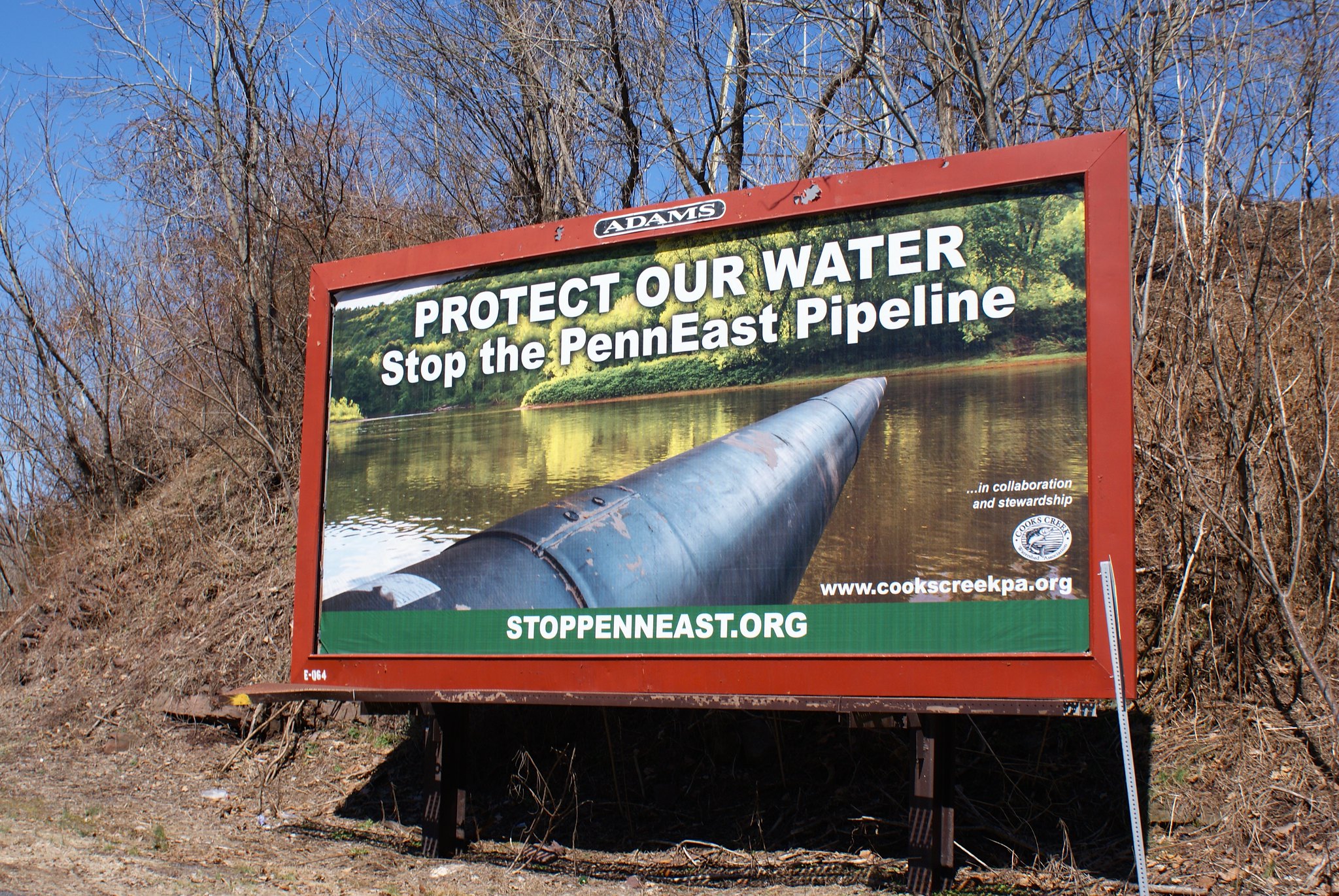
But first I had a mini-mission! Delaware CCAP had let me know that a billboard had gone up in PA in the area of Kintnersville. I just had to get a picture of that so I drove over to Kitner Hill Road and route 611 in PA, and there she was in all her glory:

This billboard was created as a collaboration between stoppenneast.org and the CookS Creek Watershed Association. Good work guys!

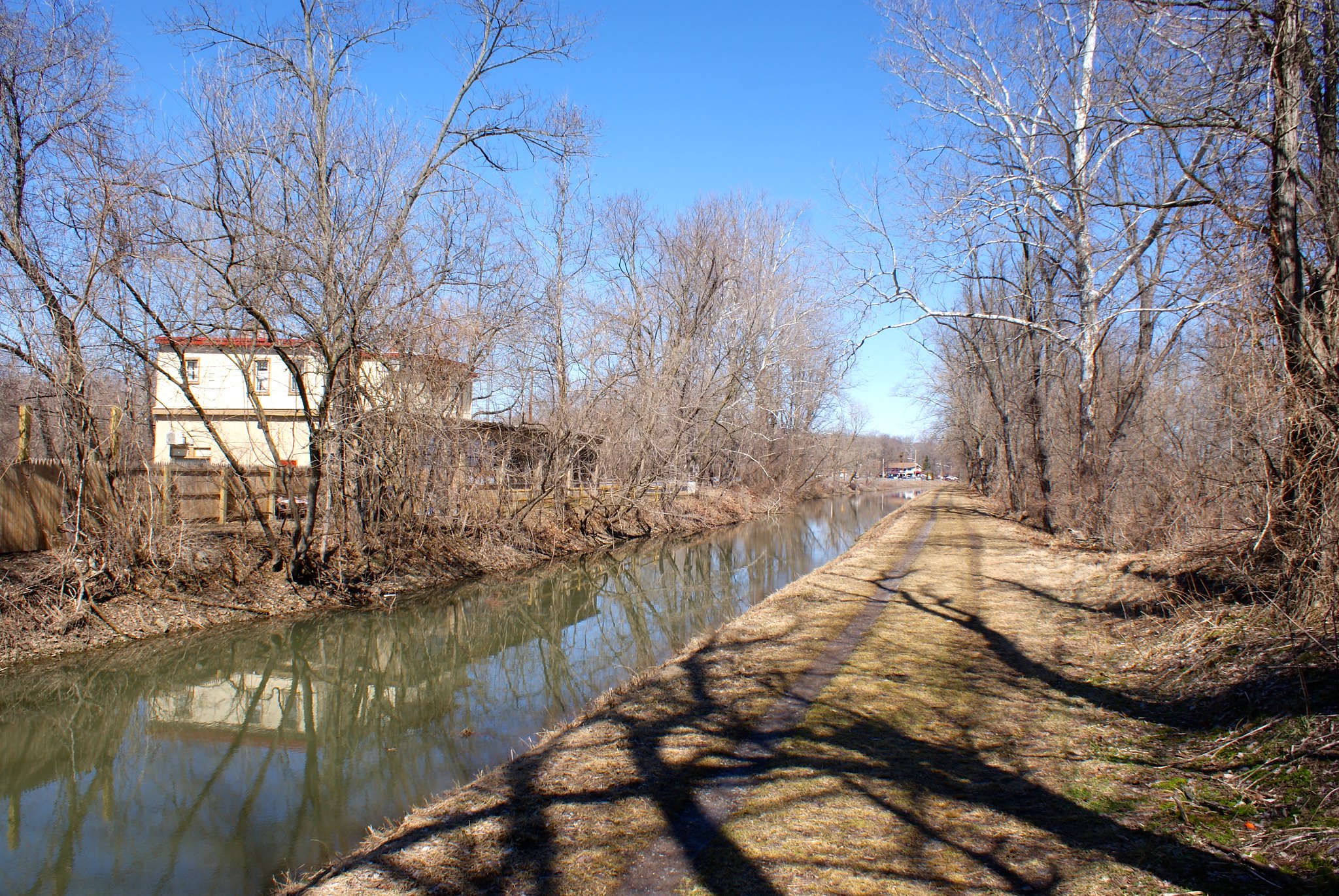
Shot 300 – Canal looking North Reigelsville PA
After a brief 15 minute walk from my guide in Reigelsville we arrived at the pipeline route. This shot shows a newly renovated cafe that will be opening up soon. The pipeline will be running right along side it.

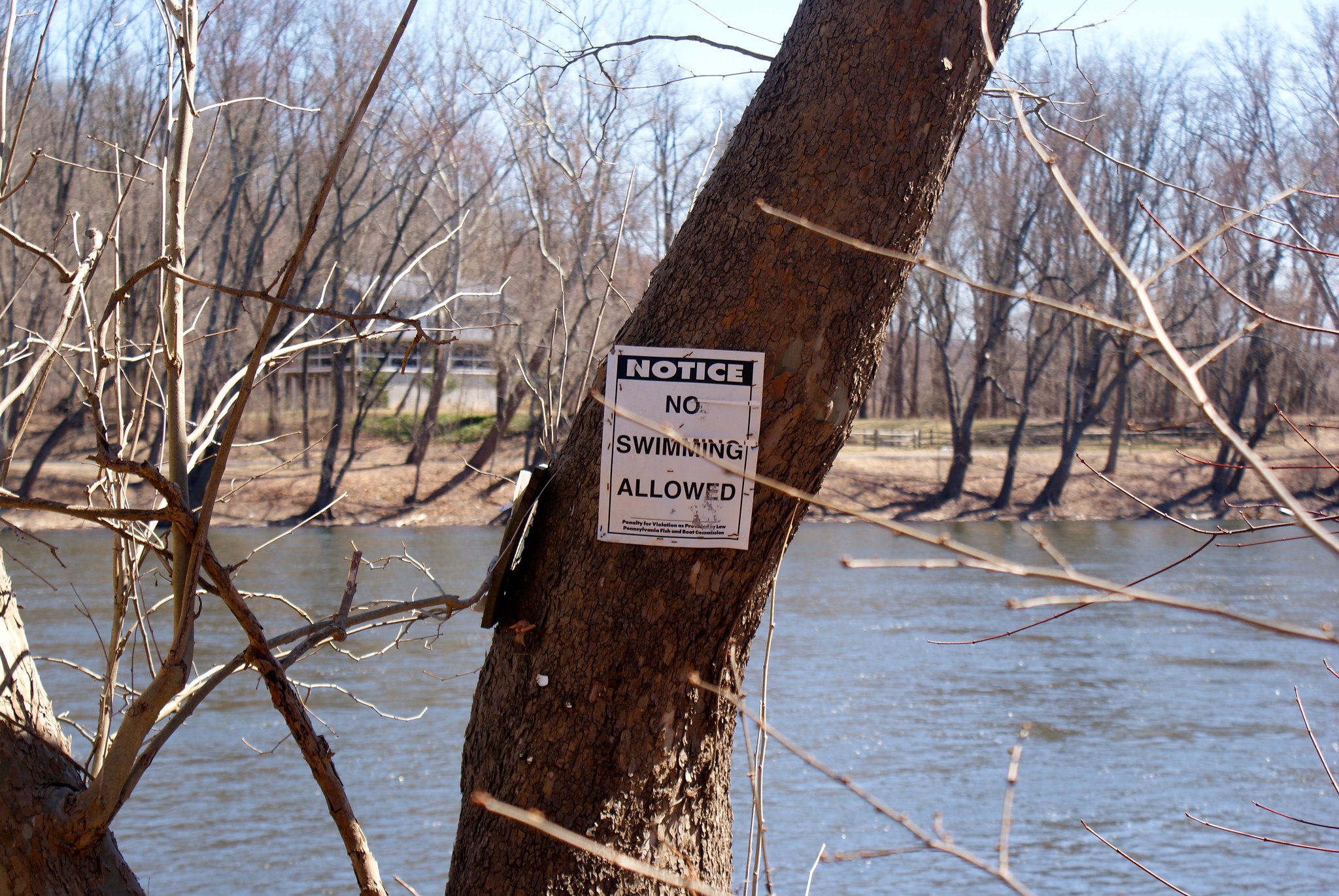
Shot 302 – Towards River No swimming Reigelsville PA
Moving towards the Delaware I got this shot of a no swimming sign near the crossing point.

I went down a steep embankment to be at the river’s edge so I could get some good shots of the river at the crossing point and of the Jersey shore line. This shot is looking somewhat northeast.

Shot 305 – Reigelsville PA Delaware River to North
A zoomed in shot of the shoreline at the crossin point.

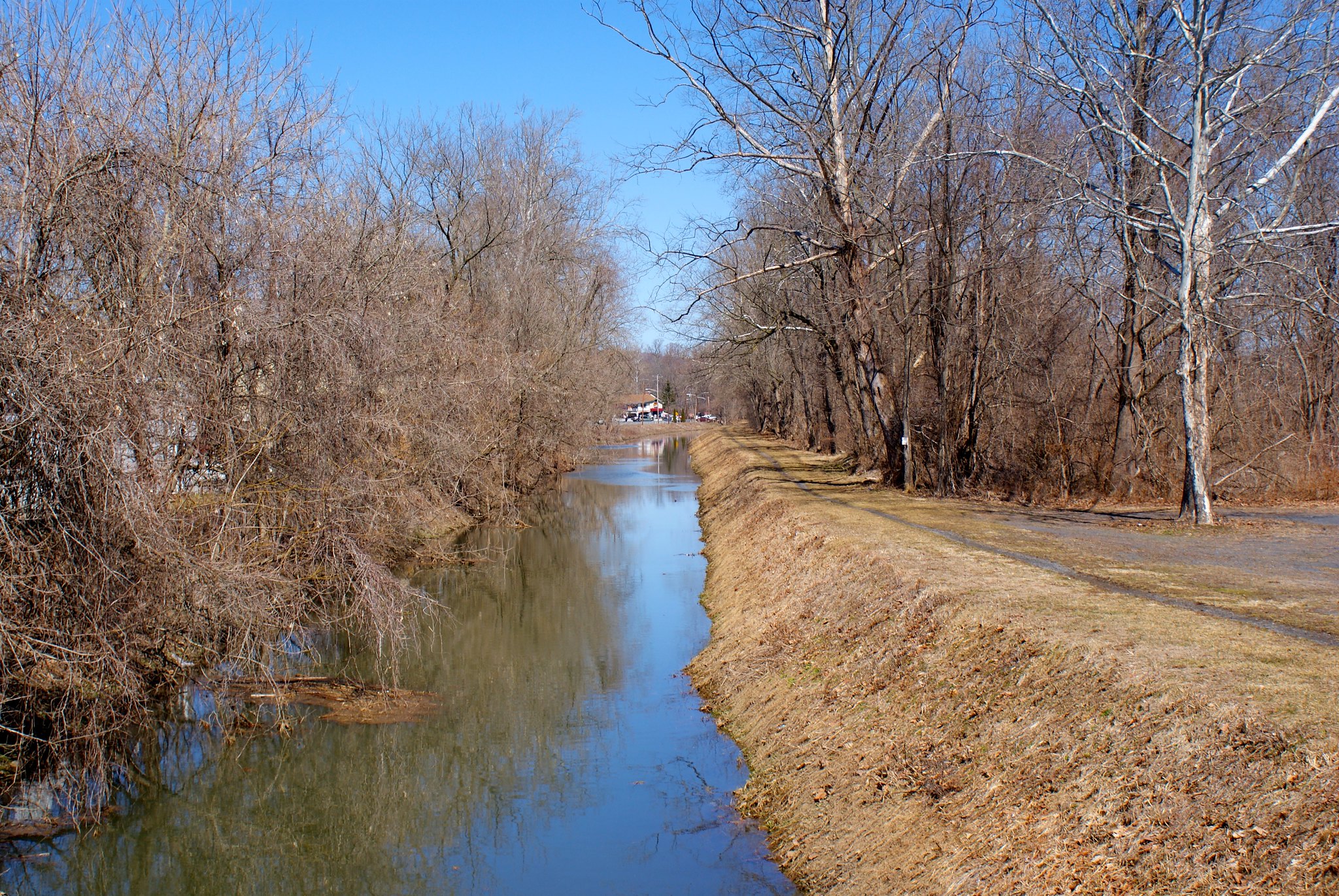
Shot 308 – Reigelsville PA Over canal
A shot of the D&R canal from a bridge to the tow path, looking to the north at the route crossing.

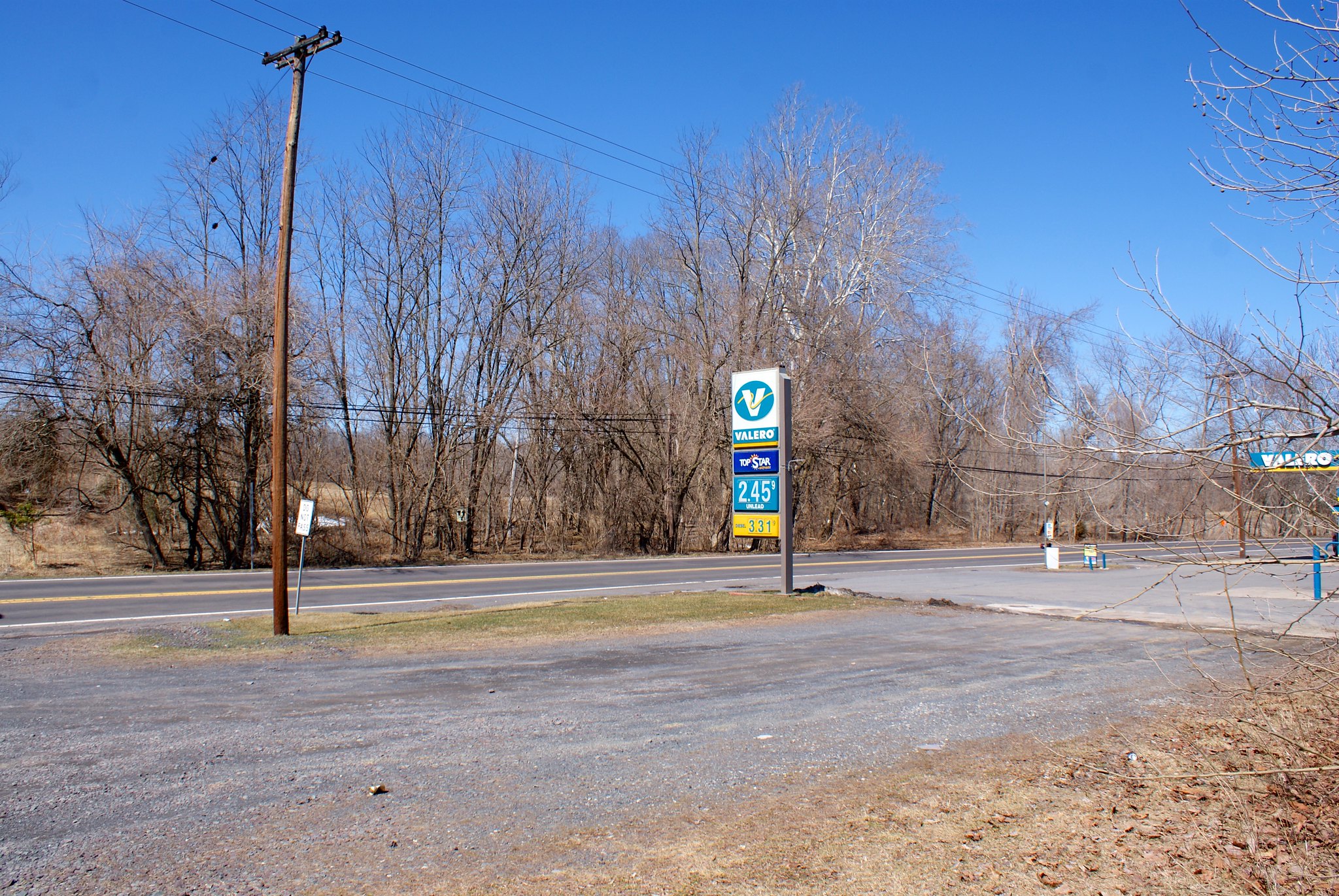
Shot 309 – Reigelsville PA Valero
A Valero on the road next to the canal. The pipeline will be crossing a hundred feet or so from this. How safe is it to be drilling and blasting near under ground gasoline tanks?

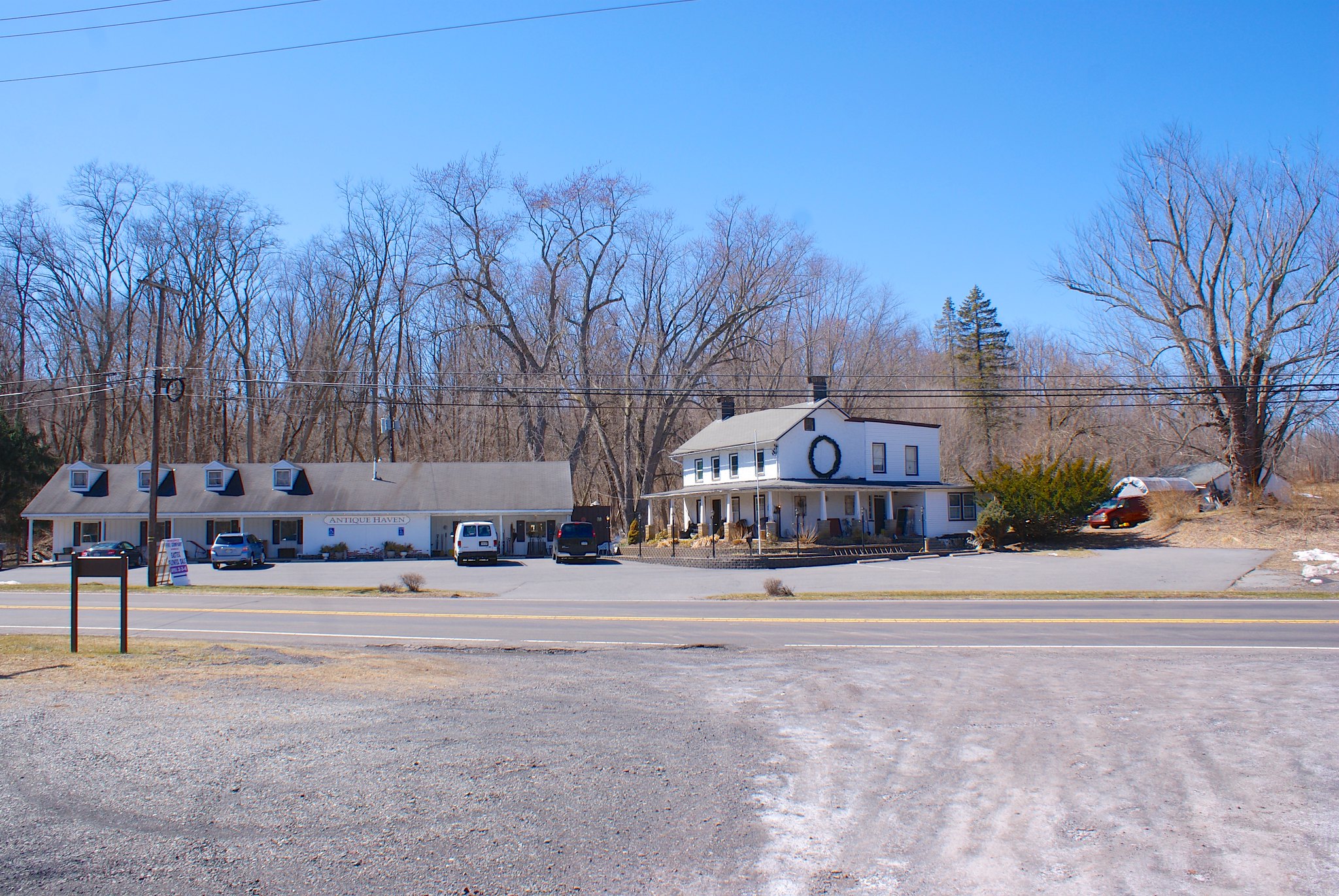
Shot 310 – Reigelsville PA Antique store
An antique store across the street near the pipeline crossing.

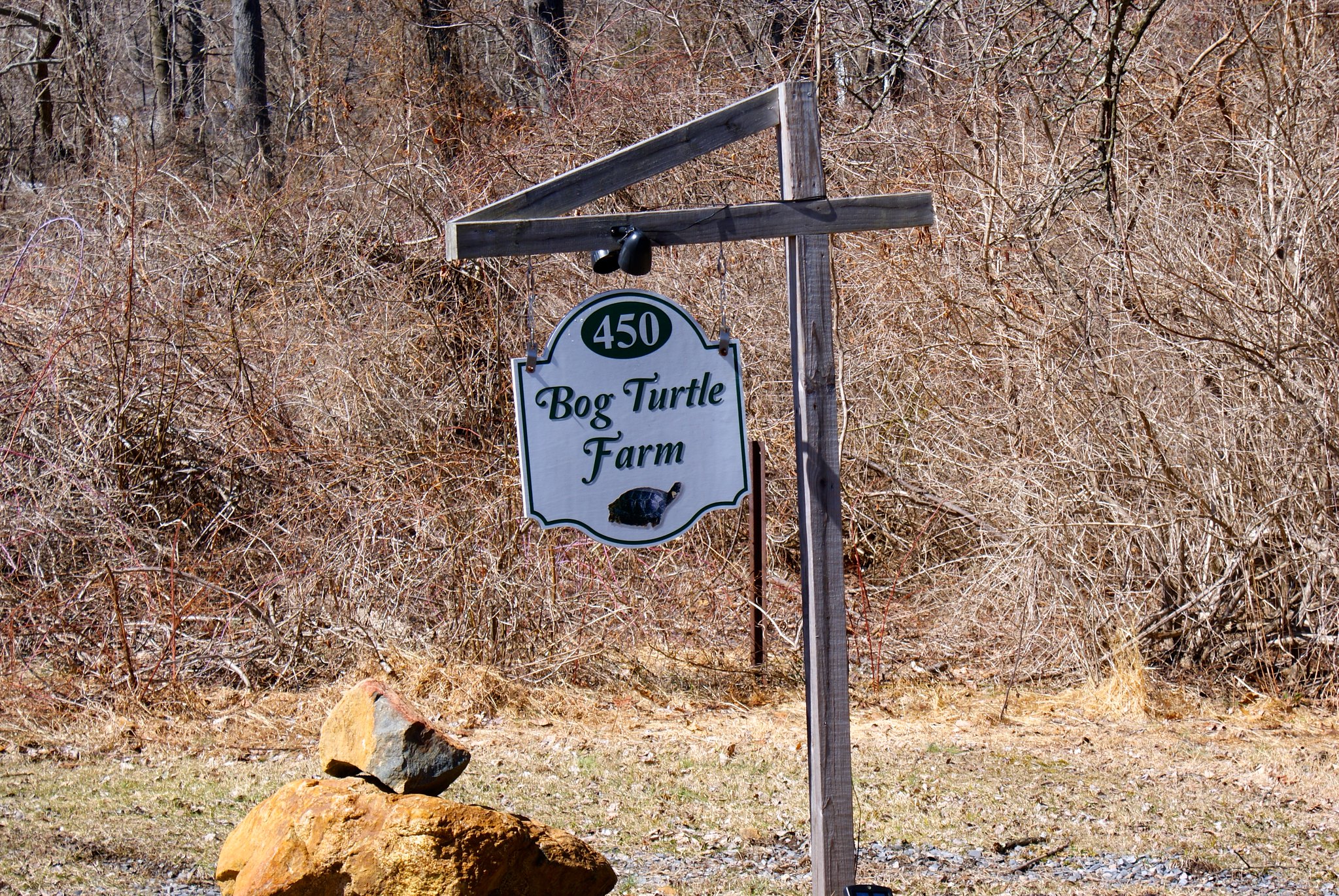
Shot 311 – Bog Turtle Farm Sign
Once I bid adieu to my guide I headed north east along the pipeline route. My first destination was the Bog Turtle Farm. This is presumably named after the Bog Turtles that live around here, they’re a protected species in PA. PennEast doesn’t seem to particularly care.

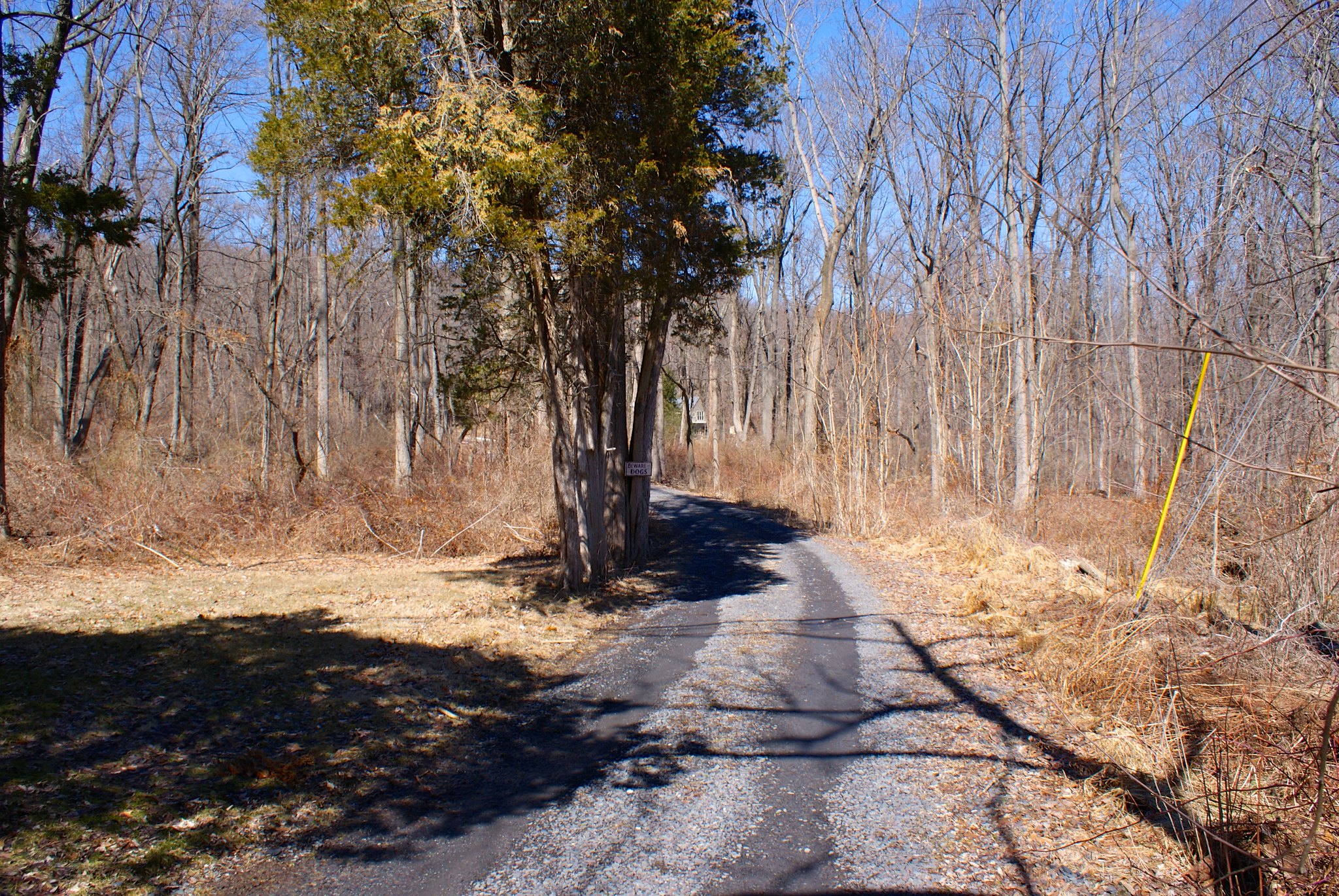
Shot 311 – Bog Turtle Farm Driveway
This is the driveway/access road to the farm. The pipeline will be cutting it in two.

Shot 314 – Buttermilk Road to North
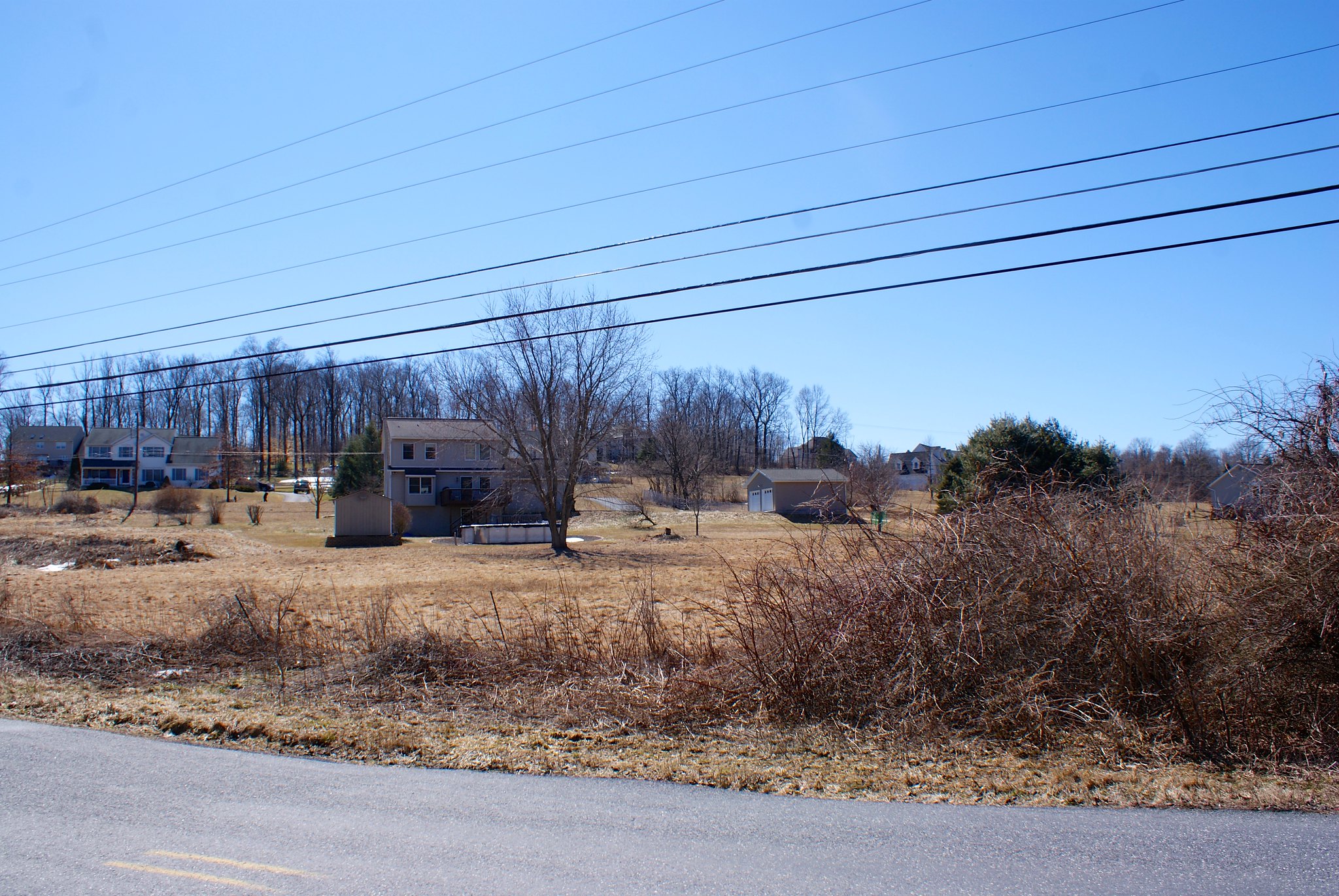
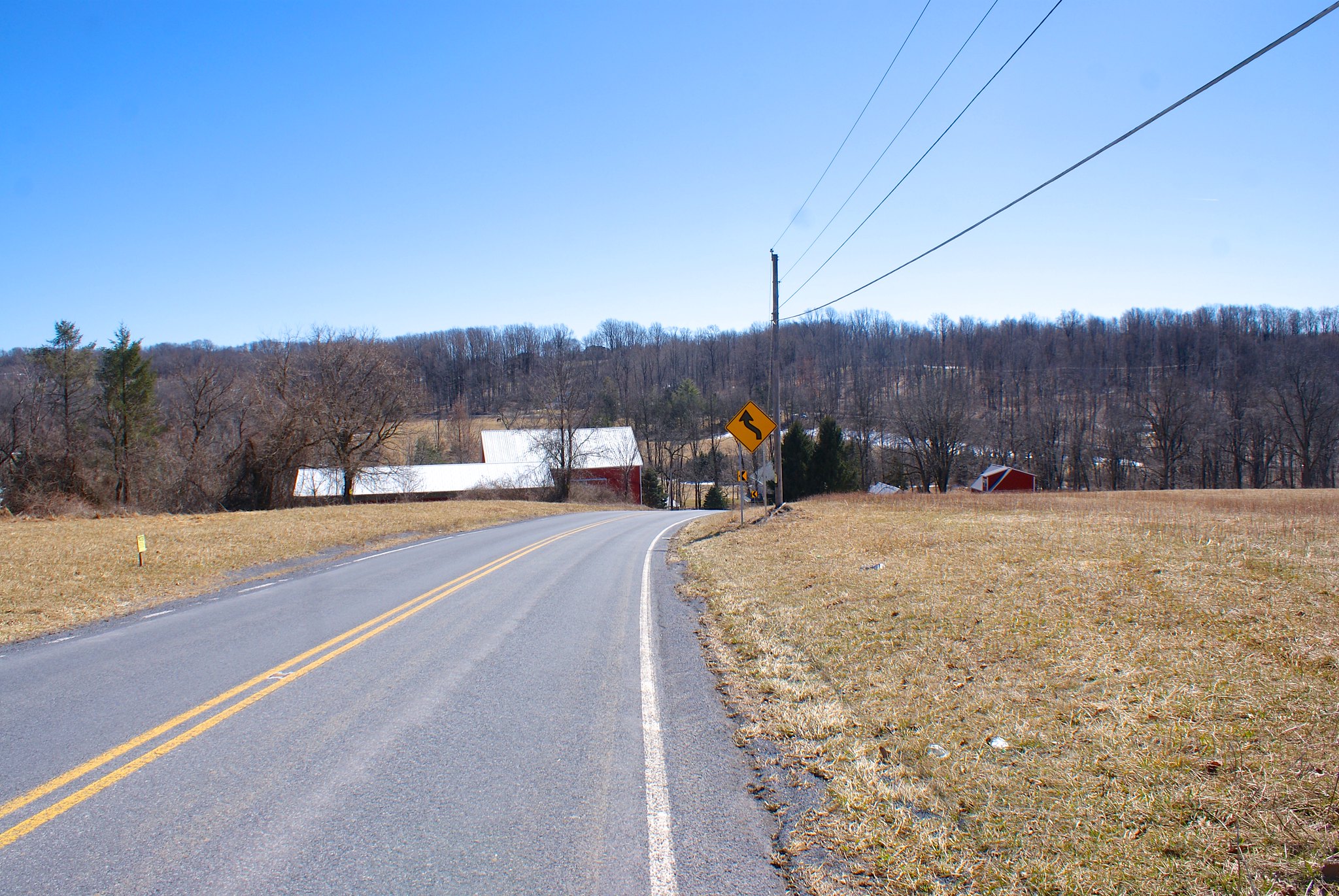
Next up was Buttermilk road. They must like to eat in this area of PA, lots of the streets are named after food (Applebutter comes up soon!). Here’s an open area where the pipeline will be coming through.

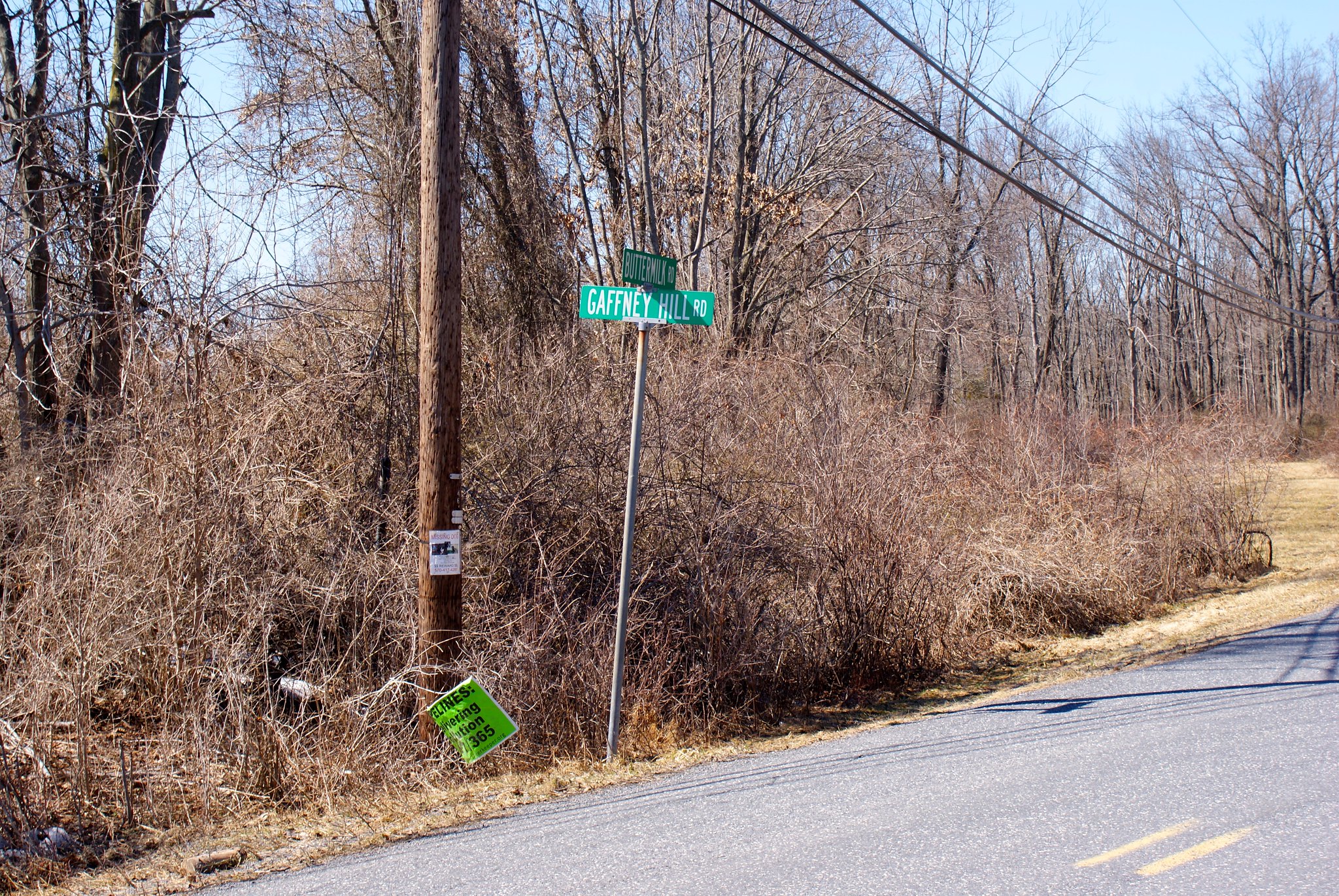
Shot 316 – Buttermilk Road to and Gaffney Hill Road
Slightly along Buttermilk we get to Gaffney Hill Road, another pipeline site.

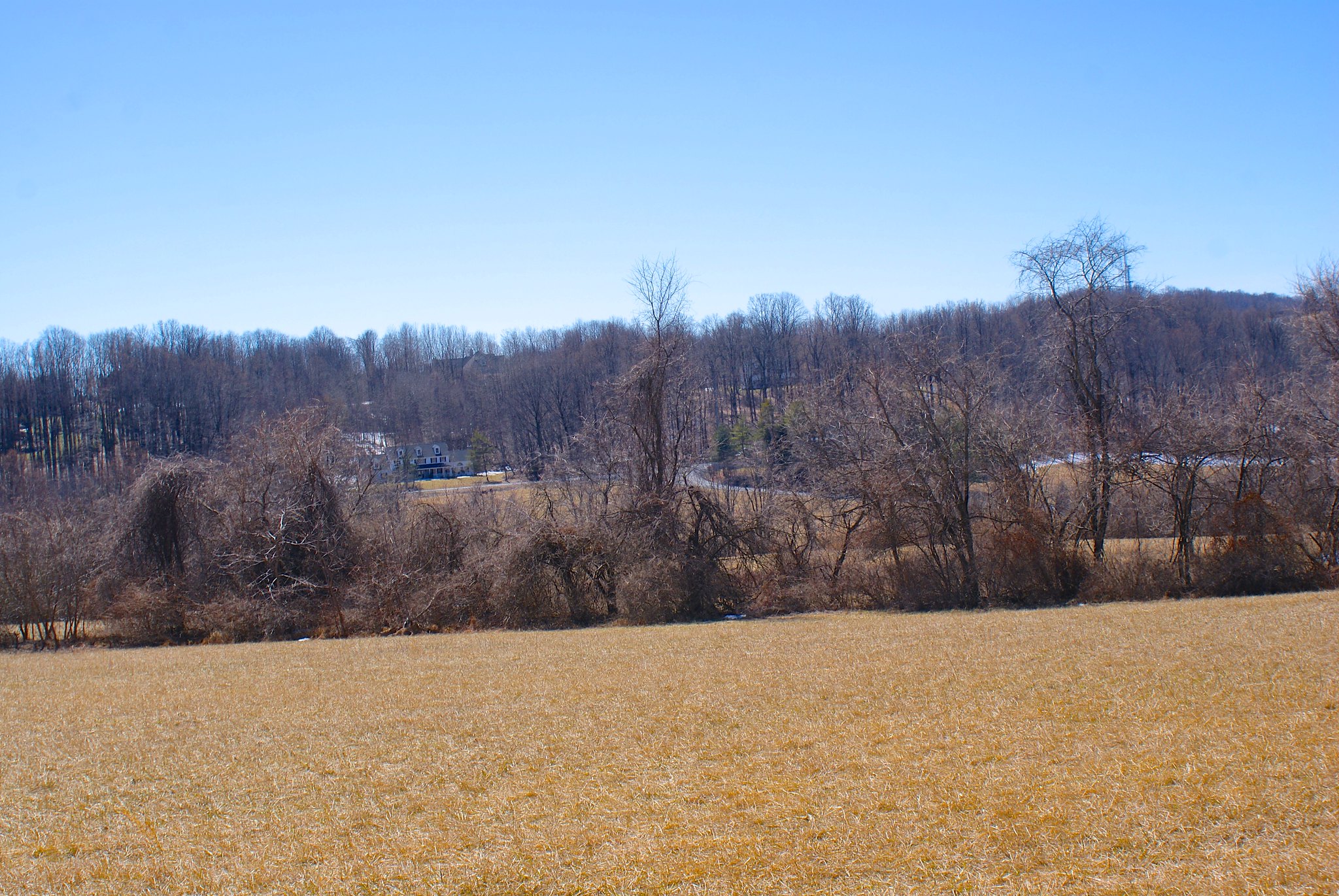
Shot 319 – Buttermilk Road Field Closeup
The pipeline route parallels Buttermilk Road for awhile along this field. The route is just past the trees in the mid-ground in this picture.

Shot 321 – Lower Saucon Field Sportsmen Posted Sign
A Posted sign from Raubsville Sportsmen. Another hunting club that’s going to be thrilled to have the pipeline construction.

Shot 323 – Lower Saucon road to south
Next up we have Lower Saucon Road. The pipeline will be cutting across some farms and home properties here. And as in so many places when the road is closed for construction the residents will be cut off from being to get to many places easily.

Shot 324 – Lower Saucon to west
Looking to the west.

Shot 326 – Lower Saucon field and house to east
A view to the east of the route and a house next to it.

Shot 327 – Applebutter Road and Sherry Hill Road
On the other side of route 78 I hit Applebutter Road near Sherry Hill Road.

Shot 329- Applebutter Road Fort Zoom out

This part of the route is an side connection of the pipeline to one of PennEast’s partner’s. To the north east we see the pipeline is going through this property where there’s an awesome fort and tire swing.

Shot 330 – Applebutter Road to south
Looking on Applebutter to the south along the route.

Shot 331 – Applebutter Road to West
Looking along the road to the west including the farm house.

Shot 333 – Lower Saucon scenic view
I had to back track a bit because I really wanted to see the Lehigh river crossing area. Along the way back on Lower Saucon road I caught this scenic view. The pipeline will be running through the leftish side of this view.

Shot 334 – Redding Road at 78 to South
This is on Redding Road at route 78. This is part of the pipeline cross-connect route as the one on Applebutter. It is a mystery to me and many people why PennEast did not co-locate their pipeline along Route 78 for most of the way – it would have solved most of their issues people are complaining about with the route.

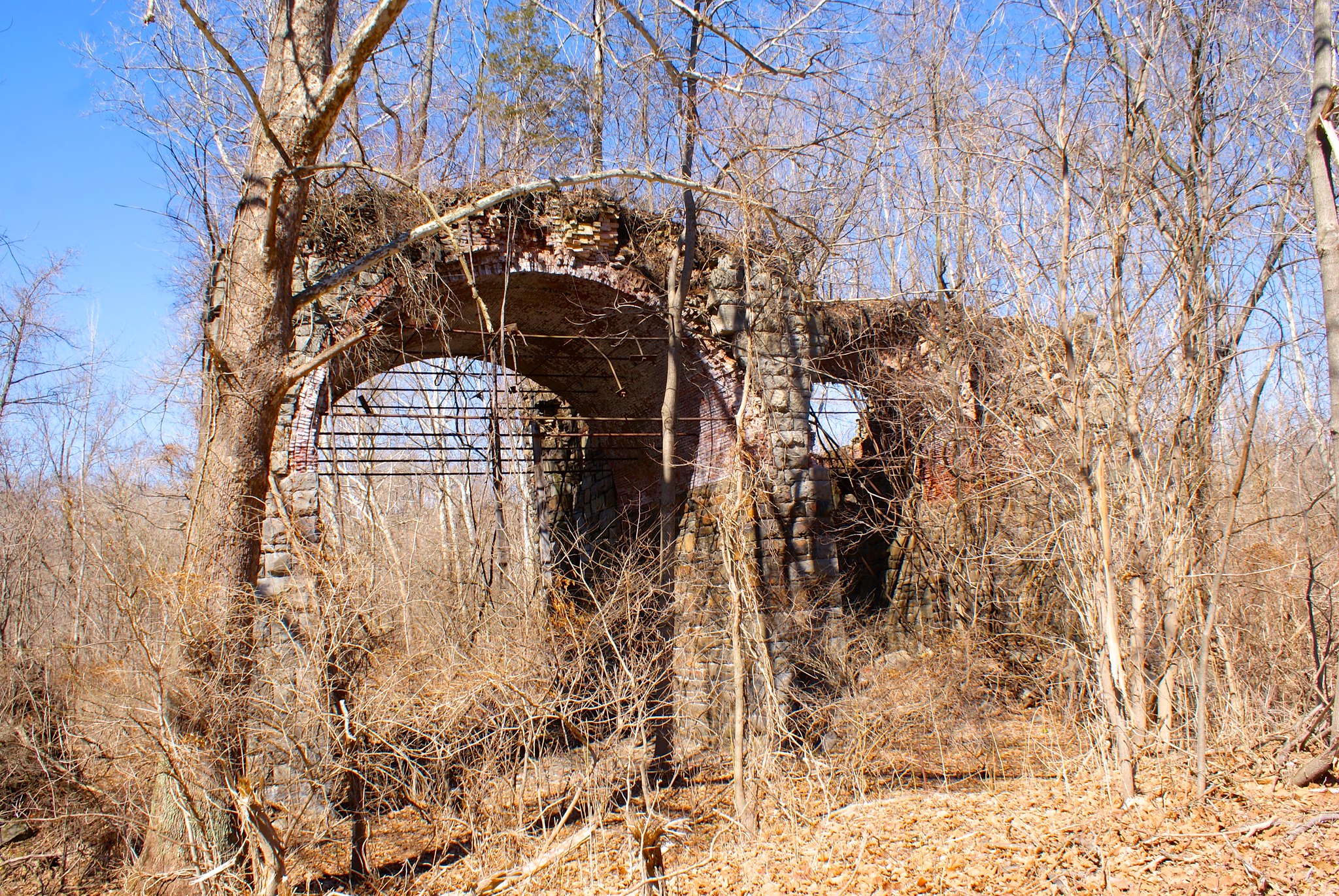
Shot 337 – Reddington Road RR Ruins 1
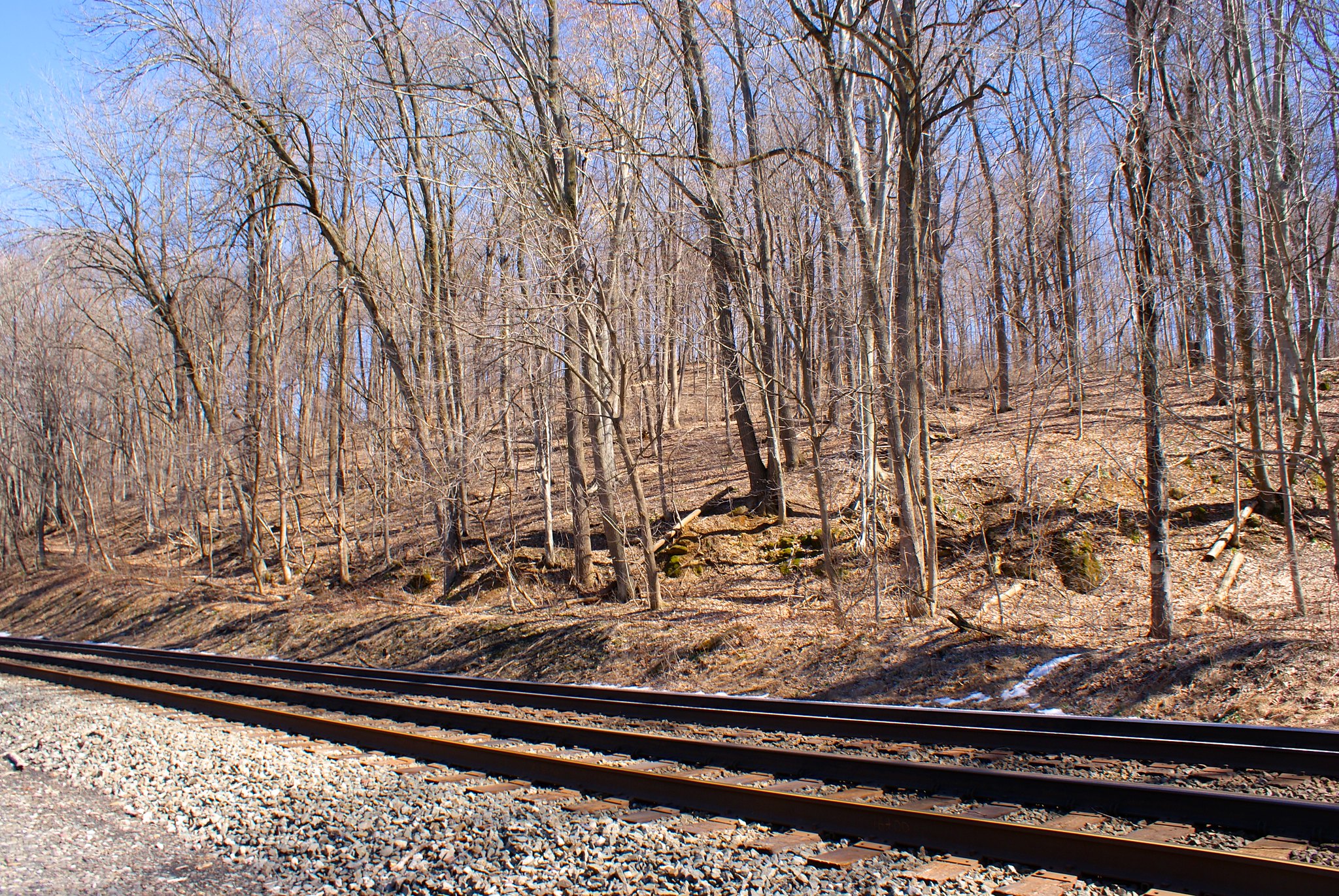
Down near the river I had to hop out of the truck and go at it on foot to get to the crossing site. To do that I had to walk down some railroad tracks. There are some old ruins towards the river you can see from the tracks. I wonder what this was?

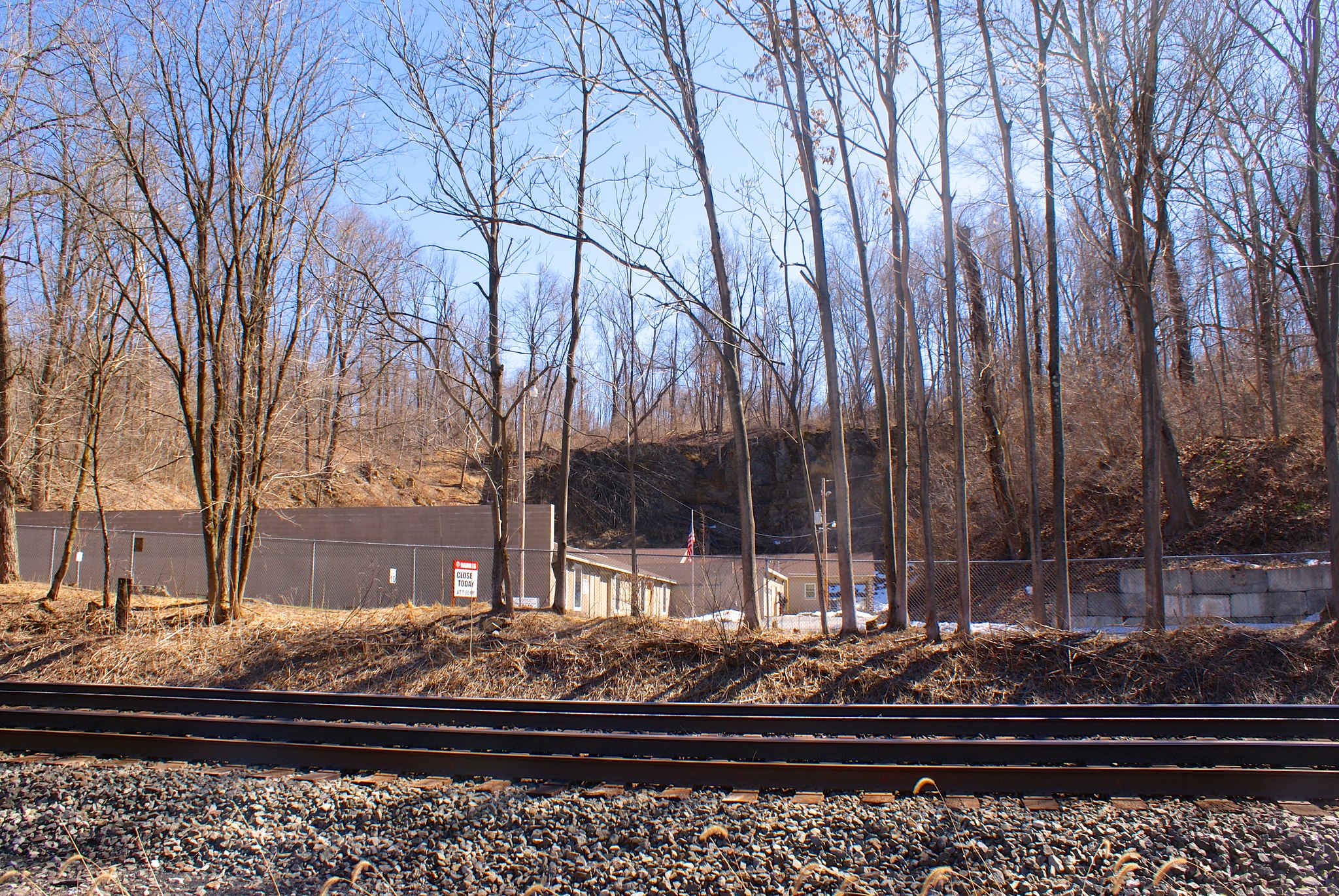
Shot 338 – Reddington Road Gun and Hunting Club
I originally thought I could drive to the crossing site but it turns out that road is a private one owned by a hunting and shooting club. PennEast will be abutting their land. As I was walking I was constantly hearing sounds of .22’s plinking away at targets in the southern range, and then loud shot gun blasts in the larger northern range. The gun ranges are in areas blasted out of the mountain bedrock. These enclosed areas reflect the sound perfectly so the shot gun blasts really slam against your ear drums. It was ever so slightly unsettling.

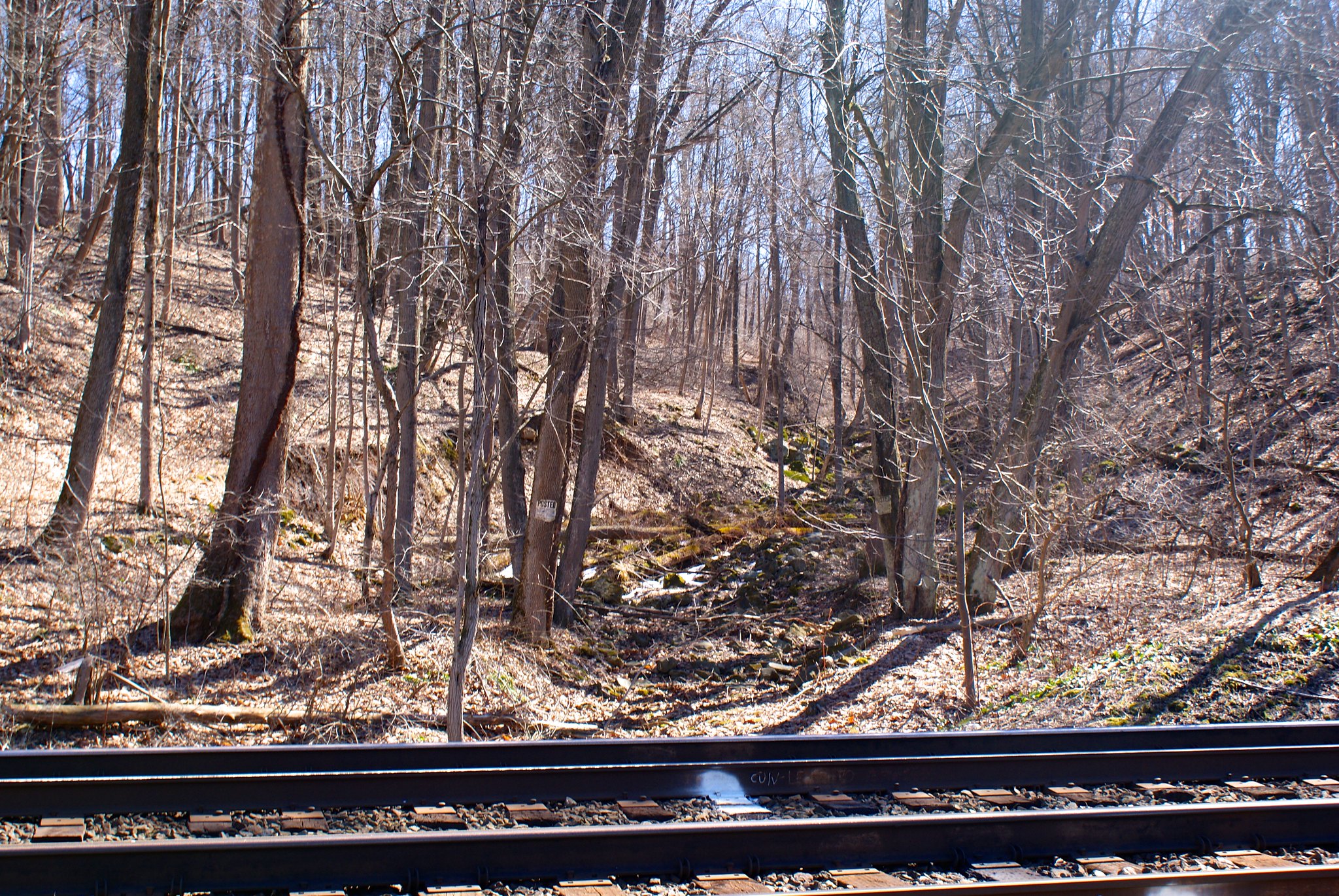
Shot 341 – Reddington Road RR to north stream valley
A stream to the east near the pipeline route.

Shot 342 – Reddington Road RR to north east hills
The hills at the crossing site PennEast will have to go up.

Shot 343 – Reddington Road Bridge Closeup
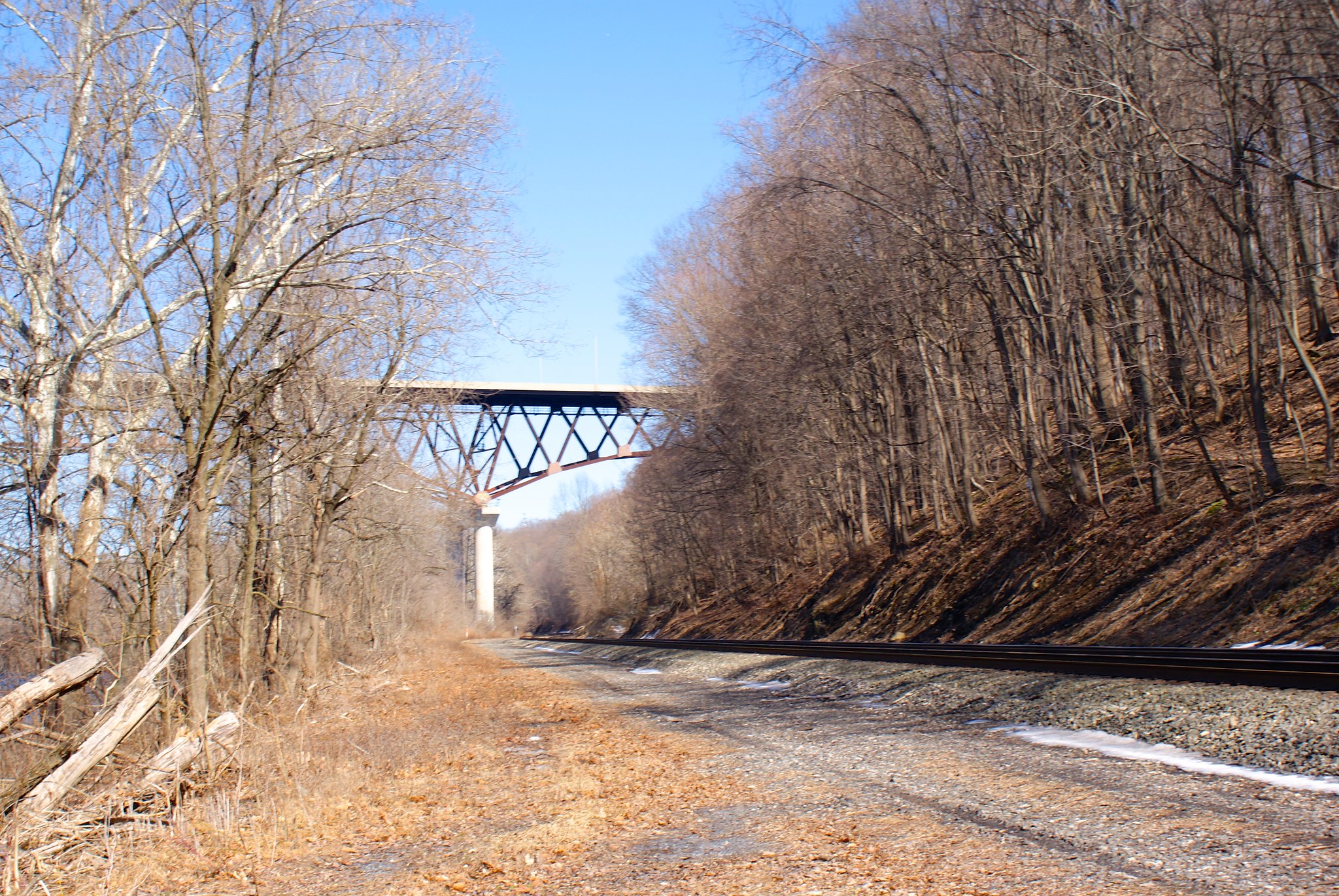
Bridge over the Lehigh at crossing site. You see high up the bridge is? The pipeline will be just as high a few hundred feet to the southeast of the bridge, and have to come down to the elevation I’m shooting from. And all of it will be through virgin forest.

Shot 346 – Boaters on Lehigh
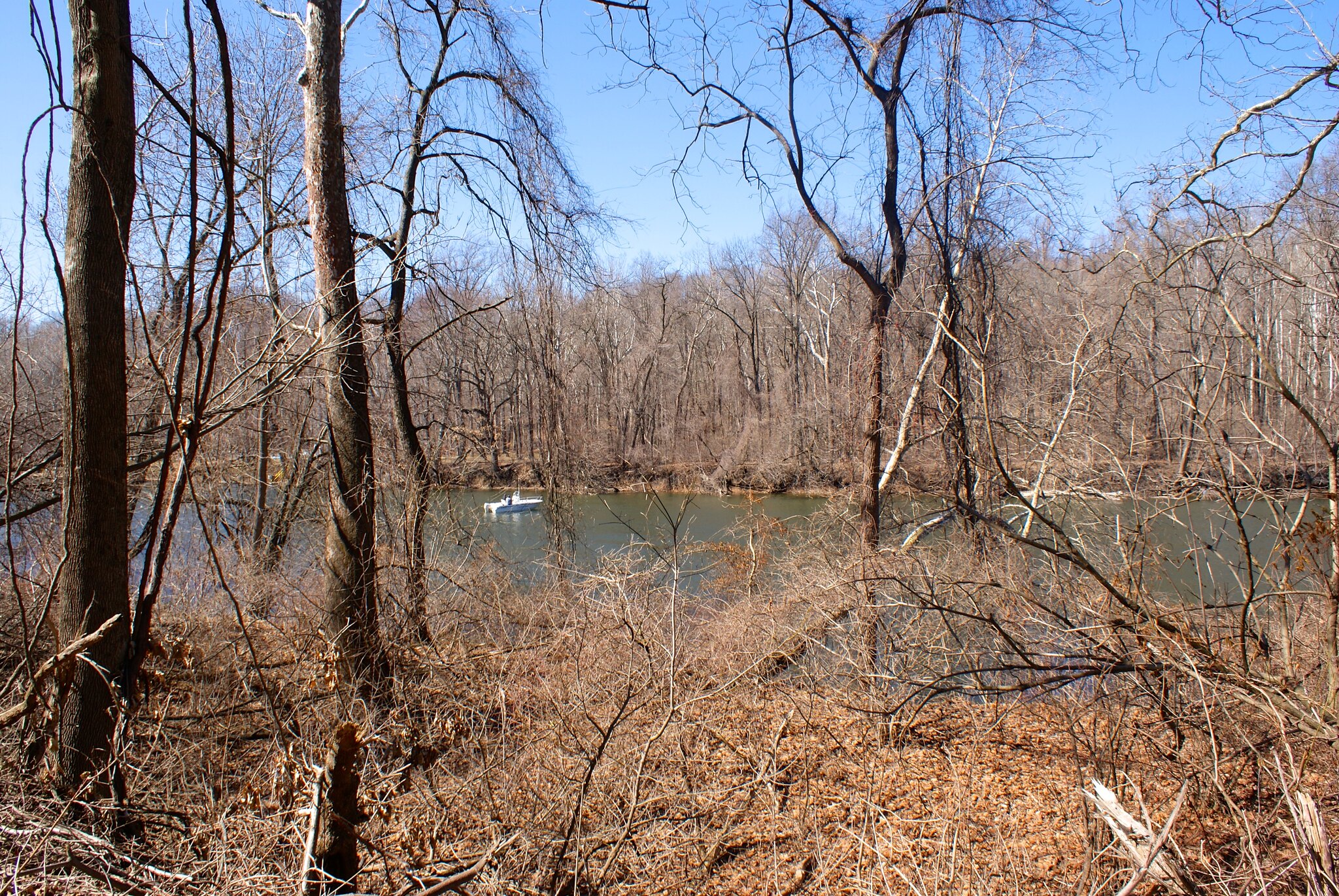
Some boaters were fishing right about where the pipeline will cross the river.

Shot 348 – Head on shot of pipeline route
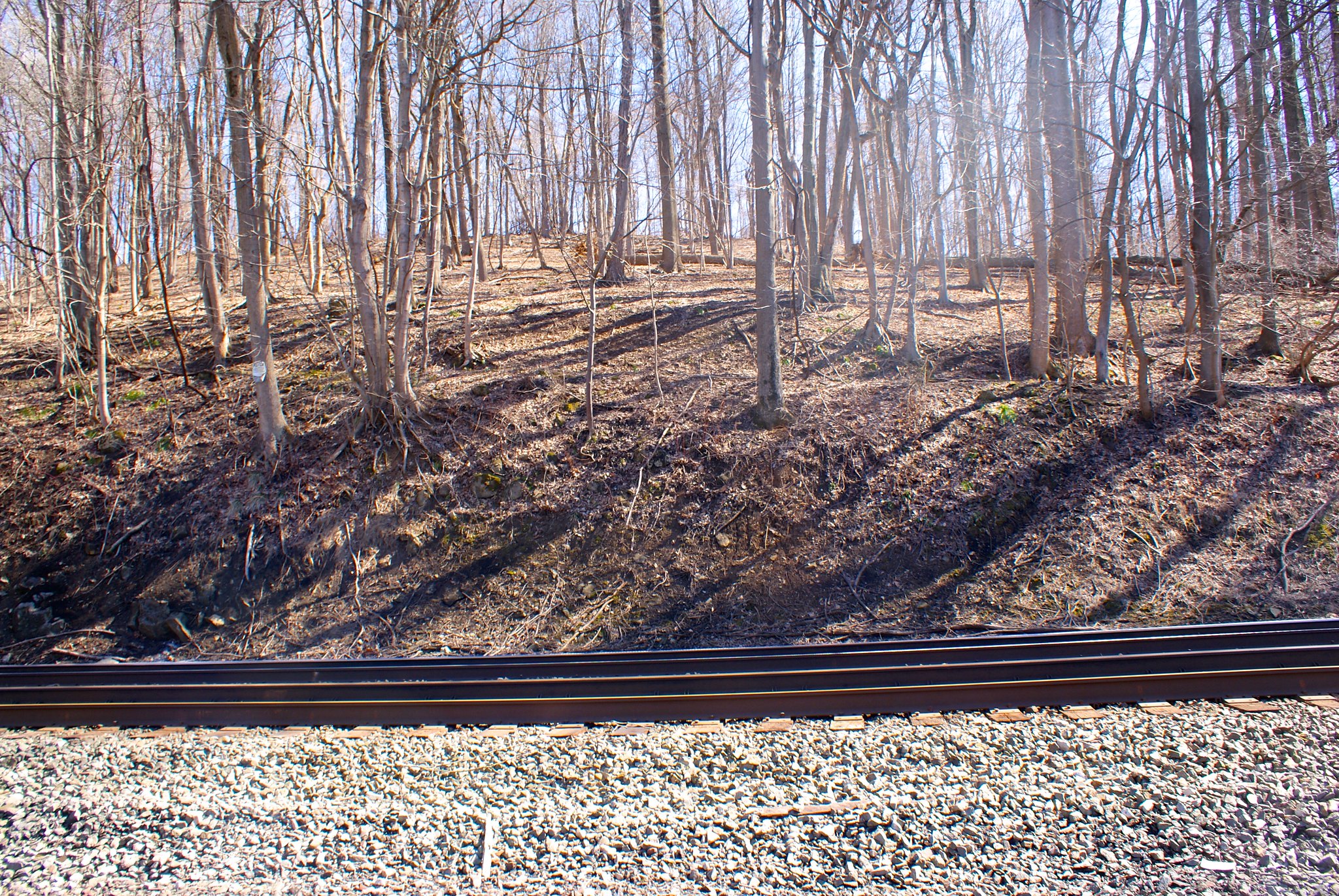
A head on shot of the hill PennEast will have to blast their way up (right next to the river naturally).

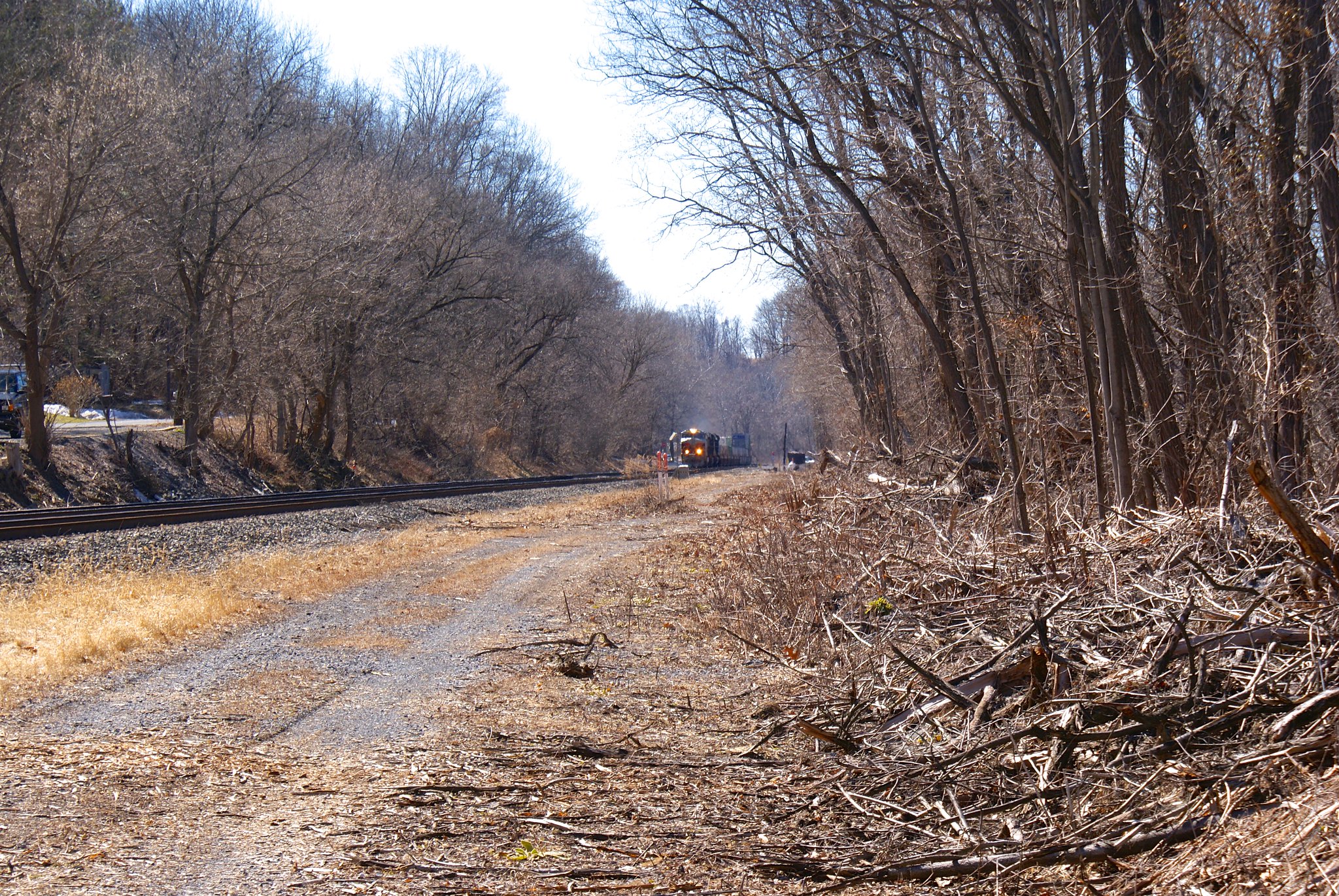
Shot 354 – Train coming!
For my final shot I was lucky to get a picture of a train running along the tracks. So this is a somewhat regularly used freight line. I have no idea how PennEast is going to convince the railroad company to let them dig under their tracks. The pipeline will have to withstand the weigh of thousands of tons of locomotive and freight going over it constantly along with the attendant vibrations.

There is no Appendix A

On March 26th, 2015, PennEast submitted a document to the FERC responding to FERC comments received after March 6th, as well as verbal comments from the scoping meetings.

In accordance with the Response to Scoping Comments, PennEast has continued to review and log comments posted to the docket after March 6, 2015, including comments documented in the scoping meeting transcripts. PennEast hereby responds to concerns raised in the comments posted to the docket between March 7, 2015 and March 20, 2015, including those raised in each of the five scoping meetings.

Appendix A provides four tables that identify the commenter, describe the issue or concern raised, and provide a response or cross-reference to address the specific concern. Specifically, Table 1 of Appendix A responds to comments from federal, state, and local agencies, Table 2 responds to comments from non-governmental Organizations, Table 3 responds to comments from affected landowners and abutters, and Table 4 responds to comments from other individuals. Each table groups the comments by issue, specifically identifies the commenters that raised the particular concern, and indicates the scoping meeting at which the commenter raised the concern.

PennEast is committed to addressing concerns raised by landowners and other stakeholders in this Pre-filing review process and the related certificate proceeding and will continue to work with stakeholders throughout the environmental review of the Project. All stakeholders will continue to have opportunities to provide comments on the Project.

All this sounds great, right? PennEast finally will respond to the verbal scoping meetings, let’s see what they have to say.

Except – there is no Appendix A.  All we get is PennEast’s intro letter and that’s it.

This document without an appendix was filed with the FERC four business days ago and it appears nobody has even noticed.

These are the people we’re forced to trust to build a safe and reliable 3 foot wide, high pressure natural gas super highway through our towns. Corporate flacks who can’t even remember to add a critical appendix to a submission, and a regulatory commission who doesn’t even notice the omission.